
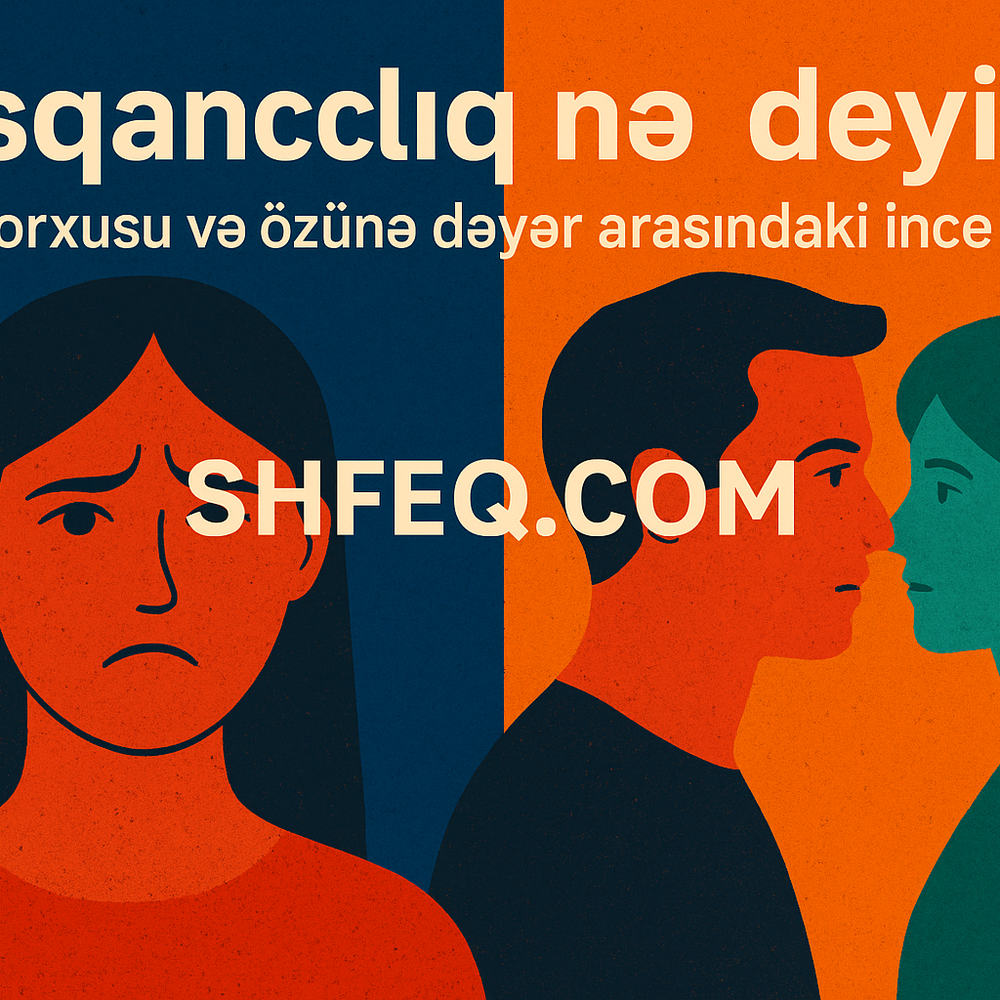
Jealousy is one of the emotions deeply rooted in human psychology. At times it is hard to control, but it is also something that can be understood and healed. The origins of this emotion are not limited to romantic relationships; they stem from a person’s belief system about themselves and their self-worth.
Throughout history, jealousy has often been portrayed in literature, mythology, religion, and psychology as a natural but controllable emotion. For instance, in Greek mythology, Hera is known for her jealousy—she constantly suspects Zeus and punishes him accordingly. In religion, the term "jealous God" is used metaphorically to emphasize the importance of complete devotion.
I. The Psychological Meaning of Jealousy: Anatomy of an Emotion
Jealousy activates several brain regions simultaneously, such as the amygdala, prefrontal cortex, and hippocampus. The amygdala is responsible for fear and anger responses. During this emotional state, a person may experience physical reactions like increased adrenaline, elevated body temperature, and narrowed focus.
The prefrontal cortex attempts to interpret and regulate the emotion. However, if a person lacks psychological maturity, self-confidence, and emotional regulation skills, jealousy may lead to aggression or manipulative behavior.
II. Childhood Trauma: The Roots of Insecure Attachment
According to psychologist John Bowlby’s attachment theory, children who do not receive consistent, loyal, and accepting care from their parents often develop an insecure attachment style in adulthood. Such individuals either become dependent in relationships or maintain a defensive emotional distance to protect themselves. This duality manifests as artificial threats or passive-aggressive behavior that nourishes deep-seated jealousy.
III. The Fine Line Between Love and Jealousy
Love is the ability to see someone as free. It is a warm, nurturing emotion that respects the choices, time, and lifestyle of the beloved. Jealousy, however, is behavior driven by fear of loss mixed with an unsatisfied ego.
For example, reacting negatively to a partner following someone on social media is often not love but jealousy. The person may feel undervalued and attempts to lessen that feeling by controlling the other.
IV. Gender Differences in Jealousy
Studies show that women are more prone to emotional jealousy—they may not want to share their partner’s attention, time, or affection with others. Men, on the other hand, tend to be more affected by physical jealousy, especially involving physical contact with another person.
These differences largely stem from social conditioning. From a young age, girls are taught to “gain and keep attention,” while boys are taught to “possess and protect.”
V. Behavioral Patterns Arising from Jealousy
-
Checking phones and social media accounts
-
Repeated “Who were you with?” questions
-
Controlling partner’s clothing, friends, and hobbies
-
Emotional blackmail, silent treatment, turning away
Such behaviors stem more from a struggle with self-worth than from the emotion itself. In the long run, these patterns harm relationships by replacing love with fear.
VI. A Psychodynamic View of Jealousy
According to Freud, jealousy arises from the clash of the id (inner desires), ego (observer), and superego (conscience). The ego, fearing moral judgment from the superego, justifies the jealous feelings by tapping into the id’s impulses. This creates scenarios in the mind based not on reality, but on fear.
VII. Coping with Jealousy: Practical Strategies
-
Identify the emotion – Where does the jealousy stem from? Is it recurring?
-
Keep a journal – What triggered this feeling? What past trauma did it remind you of?
-
Engage in self-dialogue – Write supportive affirmations: “I am enough. I am worthy of love.”
-
Let go of validation needs – Your identity is not measured by another person’s attention.
-
Seek professional support – For persistent and deep-seated jealousy, psychotherapy is highly beneficial.
VIII. How Society Models Jealousy
In TV shows and competition programs, jealousy is often romanticized as a form of sacrificial love. This normalizes toxic behaviors among audiences. In reality, true love is stable, not based on fear, and does not demand sacrifice.
IX. Freedom and Independence in Love
Each person is a “whole.” In love, two wholes come together—not to complete each other, but to support one another. In such relationships, jealousy is replaced with support. Freedom is an indispensable foundation of love.
X. Conclusion: Is Love Without Jealousy Possible?
Yes. It becomes possible when a person recognizes their own worth, heals their past wounds, and views love not as possession but as companionship.
Question / Opinion:
Do you consider jealousy in love understandable or dangerous when it becomes dominant? In your view, is love more about freedom or possession?