
INTRODUCTION: Touching the Body, Transforming the Soul
The human body is not just a biological form — it is a place where memories, traumas, social pressures, joys and pride are stored. The body is a home, a memory, and a mirror at the same time: a person recognizes themselves through their body, evaluates themselves through it, and presents themselves to the world. That is why changes to the body are never merely physical — they pass through psychological, social and spiritual layers.
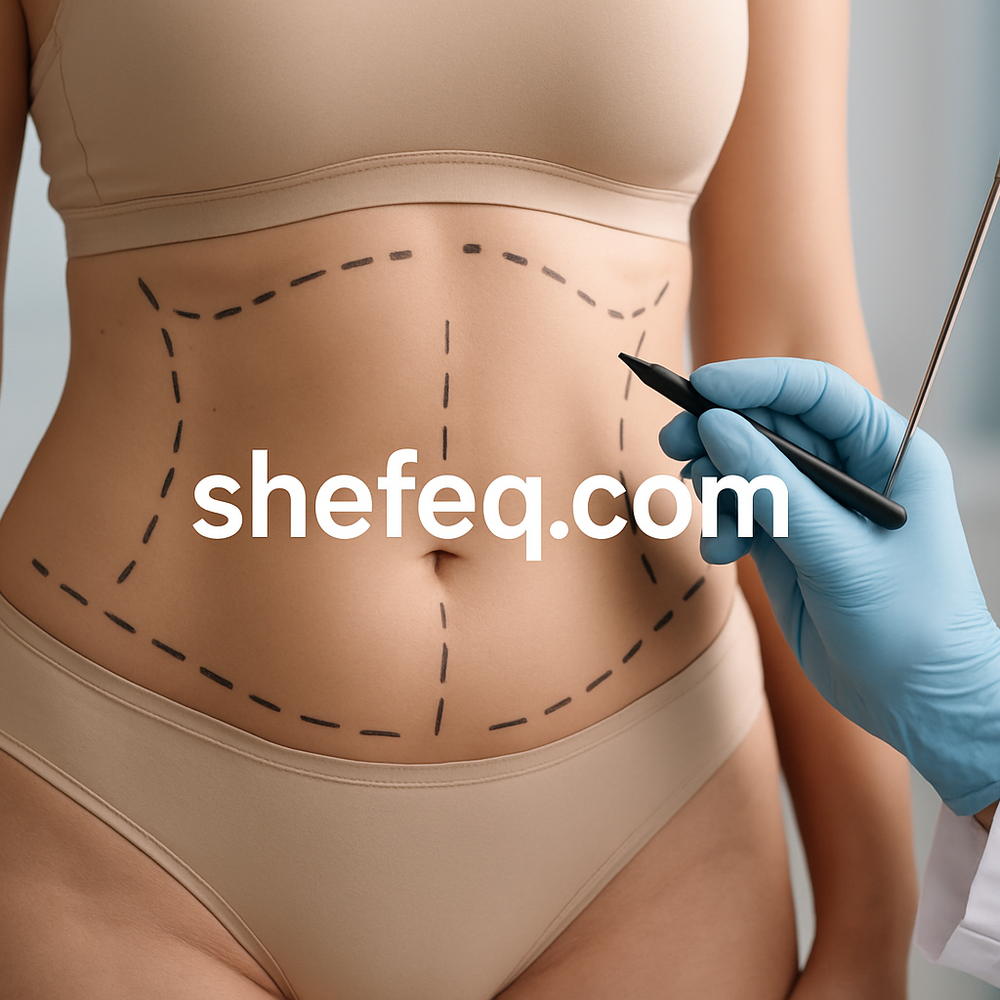
Liposuction is one of the most commonly performed aesthetic procedures in the world today. Every year, millions of people undergo it to alter areas of fat accumulation, reshape their contours, and feel more confident in their appearance.
But the real question is: What is a person looking for when they choose liposuction? Beauty? Comfort? Social acceptance? Self-love? Or the approval of others?
This article explores liposuction not only as a medical procedure but also as a psychological and social phenomenon — examining body perception in men and women, trauma and self-identity, and the emotional changes that emerge after aesthetic surgery.
I. The Roots of Liposuction — Where Does Body Image Begin?
Body image is shaped in childhood. A person learns how to perceive their body from their environment, parents, school, media and society. Therefore, the decision to undergo liposuction often stems from:
-
society’s expectations,
-
comparing oneself with other women or men,
-
a long-standing conflict with one’s own body,
-
pressure in romantic relationships,
-
the “ideal body” portrayed on social media.
1. The Role of the Family
How a mother speaks about her own body becomes an inheritance for her daughter.
Statements such as:
“This belly never goes away,”
“I’m so fat,”
“I look awful”
create a mental standard for the child:
“The body must be perfect.”
2. Society’s “Ideal Body” Prototype
The idea of a “beautiful body” today is unstable — it changes like fashion.
In one era, curvy bodies were admired; then came ultra-thin waists; now the trend is wide hips and a slim waist.
This sends a psychological message to women:
“You are not good enough as you are.”
3. The Impact of Social Media
Filters, Photoshop, retouching…
Women no longer compare themselves to real women — they compare themselves to filtered women.
II. Psychological Motives Behind Liposuction
Liposuction is a cosmetic procedure, but its reasons are often psychological.
1. Lack of Self-Confidence
If a person does not accept their reflection in the mirror, every uneven area becomes a “defect.”
2. Traumas
A woman who was called “fat,” “big,” or “ugly” in childhood may carry those words for decades.
3. Relationship Pressure
Comments such as:
“You’d look better if you lost a little weight,”
“This belly shouldn’t be here,”
can push someone toward surgery.
4. Perfectionism
For some people, being “normal” is not enough — they want to be ideal.
5. Desire for Social Approval
Some undergo liposuction not to love themselves, but to gain the love of others.
III. Psychological State Before Surgery
Before liposuction, a person typically experiences three emotional stages:
1. Excitement and Hope
“Maybe this time I will finally look the way I want?”
2. Fear
“What if something goes wrong?”
“What if it hurts?”
“What if the result is not as beautiful as I imagine?”
3. Rising Expectations
This is where the biggest risk begins. People believe that after liposuction their entire life will change:
-
I will be happy
-
I will be loved
-
I will be confident
-
My life will improve
But this is not always the case.
IV. Psychological Changes After Aesthetic Surgery
After liposuction, people experience emotional relief but also new emotional phases.
1. Stage One — The “New Me” Euphoria
When the contours look different in the mirror, people feel renewed.
2. Stage Two — The Criticism Phase
Thoughts begin:
“Why does this area look like this?”
“Too much was removed on the left side?”
“My hips are not exactly how I wanted?”
This is emotional pressure — caused by overly high expectations.
3. Stage Three — Adaptation
As the body adjusts to the new shape, the brain also begins to accept the image as its own.
But this does not happen for everyone. Some fail to adapt and start seeking further surgeries.
This is called aesthetic addiction.
V. Liposuction and Body Dysmorphia
Body Dysmorphic Disorder (BDD) is a condition in which a person sees a “defect” in their body that does not actually exist.
People with BDD who undergo liposuction:
-
remain dissatisfied,
-
continue searching for flaws,
-
request more surgeries.
This is a psychological illness — treated by psychotherapy, not surgery.
VI. Social Side of Liposuction — The Burden on Women
For centuries, the female body has been socially evaluated as an object:
-
the ideal mother,
-
the ideal wife,
-
the ideal waist,
-
the ideal body.
This idealism has placed an invisible weight on women’s shoulders.
1. The Message to Women: “You Must Be Beautiful”
For men, beauty is a bonus.
For women, beauty is an expectation.
2. Beauty as Social Capital
Many women feel forced to look attractive because:
-
in the workplace, perception changes with appearance,
-
relationships are more competitive,
-
social media creates strict standards.
Thus, liposuction is sometimes not just a surgery — but an escape from social pressure.
VII. The Scientific Side — What Actually Changes?
Liposuction does not change a person’s metabolism — it simply reduces the number of fat cells.
But psychologically, several things change:
1. Increased Body Acceptance
The person feels more comfortable with their appearance.
2. Easier Clothing Choices
Tight clothing fits better.
3. More Active Social Life
Women begin taking more photos, going out more confidently.
4. Increased Confidence in Relationships
This creates both internal and external change.
VIII. Psychological and Medical Risks of Liposuction
1. Expectations Not Matching Reality
The result may not coincide with the imagined outcome.
2. Emotional Disappointment
“Was all this pain and money worth it?”
3. Disruption of Body Image
The new body may feel unfamiliar.
4. Renewed Social Pressure
“Now fix this part too,”
“This still doesn’t look good,” etc.
IX. Who Is Liposuction Suitable For?
Liposuction is most often chosen by those who:
-
have struggled with body acceptance for many years,
-
suffer from social pressure,
-
have low self-esteem.
But psychologists emphasize:
“If a person does not love themselves, liposuction will not save them.”
Surgery changes the body —
but it does not change the soul.
X. Making Peace With the Body — The Most Difficult, Yet Most Important Process
Self-love and acceptance cannot be achieved with a single procedure.
What does it mean to make peace with your body?
1. Seeing Yourself Clearly
Stop comparing yourself to filtered women.
2. Seeing the Body as More Than Aesthetic
The body is the system that keeps you alive.
3. Recognizing Traumas
A single word said in childhood can prevent self-acceptance for a lifetime.
4. Developing Psychological Strength
Loving yourself is the most powerful “aesthetic surgery.”
XI. What Changes After Liposuction?
Every woman asks:
“Will I be happy after the operation?”
The answer is simple:
-
If you seek happiness in the body — it will be temporary.
-
If you seek happiness inside — your body will follow.
CONCLUSION: Liposuction Changes the Body — But Not Happiness
The conclusion of this article is clear:
-
Liposuction is not bad.
-
Not scary.
-
Not shameful.
But liposuction treats the symptom,
not the root cause.
True change begins within.
If a person has not made peace with their body:
-
no matter how many surgeries they undergo — they will remain unhappy,
-
no matter how many times they change shape — the inner voice will not be silenced.
Liposuction shapes the body,
but self-love shapes the person.
The body changes temporarily,
but self-acceptance lasts a lifetime.