
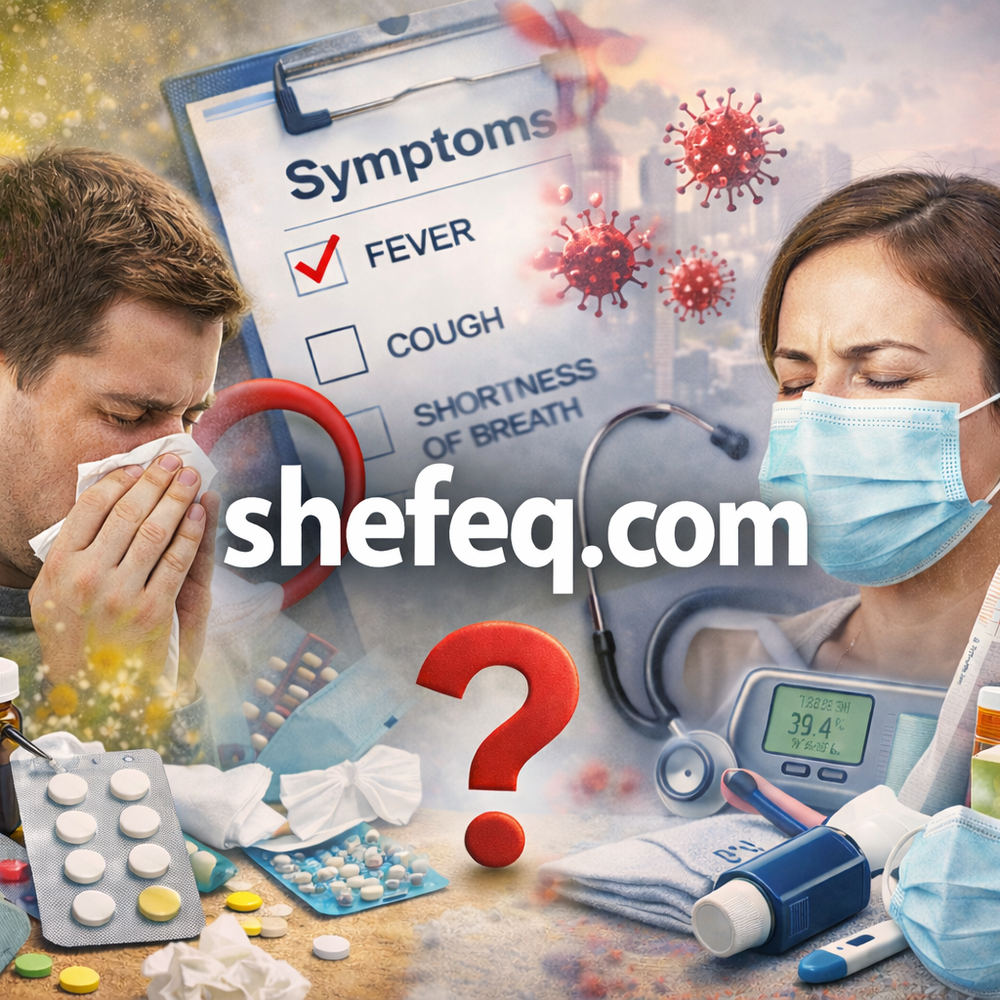
Allergy symptoms can often be confusing: itchy, red, and watery eyes; sneezing; a runny nose; and sometimes coughing. Especially during the spring months, these symptoms cause concern for many people.
This year, however, the situation has become even more complicated due to the COVID-19 pandemic, which has overlapped with seasonal allergies. In regions with moderate to high pollen levels, such as Washington, D.C., people are worried about confusing allergy symptoms with those of coronavirus. Doctors warn that this confusion may lead to an increase in unnecessary visits to an already overburdened healthcare system.
“This situation can truly be confusing, and it is very important to distinguish between the two. If symptoms are caused by a virus, a person can spread infectious droplets within a six-foot radius every time they cough. Allergies, on the other hand, are not contagious,” says allergist Sally Joo Bailey, a member of the Society for Allergy and Clinical Immunology.
Key Differences Between Allergy and COVID-19
Bailey notes that due to climate change, the allergy season started in February this year instead of March, and many people in the Washington area are already experiencing symptoms.
Studies show that patients with COVID-19 may also experience allergy-like symptoms such as:
-
runny nose
-
nasal congestion
-
sore throat
However, the main difference is that:
-
Allergies do not cause fever, chills, or body aches
-
These symptoms are characteristic of viral infections, especially COVID-19
According to the World Health Organization, only 5% of COVID-19 patients in China experienced nasal congestion, and approximately 14% reported a sore throat.
Common Cold, Flu, and COVID-19: Why Are They Hard to Distinguish?
We are still in the cold and flu season, and the symptoms of these illnesses may overlap with those of COVID-19. All three are viral infections and can spread from person to person.
-
The flu usually comes with a high fever
-
The common cold may sometimes cause a fever
-
Both flu and COVID-19 are often accompanied by a dry cough
The flu vaccine does not protect against coronavirus. Therefore, even vaccinated individuals should take flu-like symptoms seriously.
“Flu activity in Virginia and Maryland is still high. Even an experienced physician cannot always distinguish between viral infections without testing,” says Jesse L. Goodman, an infectious disease specialist at Georgetown University.
When Should You See a Doctor?
You should seek medical care if you experience:
-
a fever of 39°C (102.2°F) or higher
-
difficulty breathing
-
persistent or severe coughing
People with mild symptoms may sometimes be advised to stay home and monitor their condition.
Expert Recommendations
-
People with allergies should manage familiar symptoms as usual:
-
wash hair after returning home
-
take effective antihistamines
-
-
Monitor your temperature. Allergies do not cause fever.
-
Do not panic, but if in doubt, call your doctor — a nurse can provide initial guidance.
-
Get a flu shot. According to the CDC, the vaccine reduces the risk of flu by about 45%.
-
Find out whether you are in a risk group for the pneumonia vaccine.
-
Wash your hands frequently — this helps prevent the spread of all viral infections.
-
Wearing a face mask is recommended only if illness is suspected or after contact with an infected person.
“Fear can sometimes be more dangerous than the virus itself,” experts warn. “Most people experience COVID-19 mildly and recover.”
Conclusion
During allergy season:
-
do not interpret every sneeze as coronavirus
-
but do not ignore serious symptoms either
Being informed, staying calm, and seeking medical advice at the right time is the best way to protect both yourself and the healthcare system.