
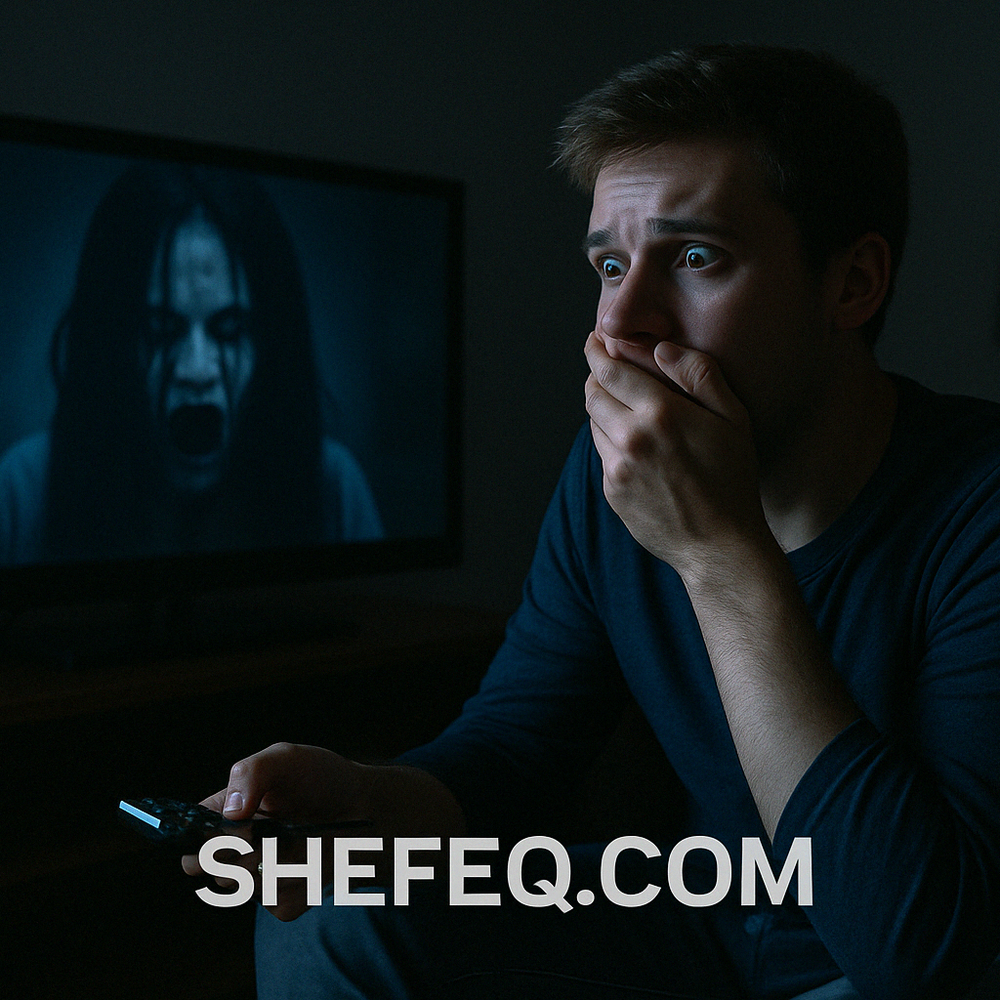
Introduction: Fear by Choice Imagine this: it's 2 a.m., you're sitting alone in a room, the screen goes black, a door creaks, and a sound emerges from the silence... The horror scene begins — but you chose to watch this movie. Why?
Fear should naturally repel us, yet we voluntarily watch horror films, enjoy them, and even find comfort in them. Behind this paradoxical phenomenon lie biological, psychological, and cultural reasons. In this article, we’ll explore why horror films are so widely loved.
-
The Brain and Fear: Chemical Reactions and the Thrill of Adrenaline The human body activates the "fight or flight" response in the face of danger. When watching a horror film, this system is triggered in a safe environment.
Adrenaline: Heart rate increases, breathing quickens, the body becomes alert.
Dopamine and Endorphins: After moments of tension come feelings of relief. The brain records this as “fun.”
Fear under control is stored in the brain as a pleasant emotional experience: "I’m scared, but there’s no danger."
As a result, watching a horror film can be as physically thrilling as a roller coaster ride.
-
Psychology: Cinema as an Emotional Laboratory Horror films tap into deep fears — death, loneliness, loss, lack of control. Watching them is like an emotional experiment:
-
Awareness: The viewer identifies and accepts their fears.
-
Empathy: Experiencing the character’s fear strengthens emotional resilience.
-
Catharsis: Fear → danger passes → emotional release → inner cleansing.
Psychologist Glenn Sparks says horror films can help process trauma. For example, a childhood loss may be symbolically revisited and resolved through a horror movie.
-
Social Reasons: Fear as a Shared Experience Watching with friends turns fear into entertainment.
Screaming, laughing, jumping — all are bonding social reflexes.
For couples, horror films can foster emotional intimacy — as fear and intimacy activate similar hormones (oxytocin, adrenaline).
-
The Evolution of the Horror Genre: From Monsters to the Human Psyche Horror films have evolved over time:
Era | Themes 1930–1950 | Vampires, zombies, Frankenstein — non-human creatures 1960–1980 | Serial killers, psychological horror (Psycho, The Shining) 1990–2000 | Paranormal, spirits, brutality (The Ring, Saw) 2010–Today | Domestic horror, psychosis, social threat (Hereditary, Get Out)
In modern horror, humans have become the source of fear — a reflection of technology and societal stress.
-
Subgenres of Horror: A Fear for Everyone
-
Slasher: The killer chases the victim (Halloween, Scream)
-
Psychological Horror: Plays with the mind (Black Swan, The Babadook)
-
Paranormal: Ghosts and hauntings (Insidious, The Conjuring)
-
Body Horror: Fear of bodily transformation (The Fly, Tusk)
-
Social Horror: Dangers within society (Us, Get Out)
-
The Symbolism of Fear: What Do Horror Films Really Represent? Horror films often convey hidden social messages:
-
Zombie films: Mass behavior, pandemics
-
Obsessive killers: Personality disorders and how society creates “psychopaths”
-
Paranormal events: Fear of death and the search for meaning
Thus, horror is not only entertainment — it's a mirror reflecting the dark sides of society.
-
What Do Scientific Studies Say? A 2021 study from Finland showed that horror film fans manage daily stress better.
These films increase the body’s resilience by training it to recognize danger signals.
Also, frequent horror watchers tend to have higher levels of empathy.
-
Is Watching Horror Dangerous? No! But for some people, it can cause:
-
Insomnia
-
Repetitive nightmares
-
Heightened sensitivity
Those suffering from panic attacks, PTSD, or severe depression may experience physical effects. But these are rare cases — for most people, horror films offer a positive emotional experience.
-
Recommended Films by Subgenre Subgenre | Film Title | Why Watch? Slasher | Halloween | Genre classic with perfect pacing Paranormal | The Conjuring | Intense tension and faith themes Psychological | Hereditary | Blend of family drama and psychosis Social Horror | Get Out | Critique of society and racism Body Horror | The Fly | Fear of body and identity
-
The Calm After the Fear The most fascinating part: after watching a horror film, the body relaxes. Fear peaks, pressure builds, then release — the catharsis effect.
A horror film is like an emotional gym: it exhausts you first, then energizes.
Conclusion: We Want to Be Afraid Because We Are Human Horror films take us into our deepest realms — death, darkness, solitude, nothingness. But we experience this safely, on a screen. It gives us emotional strength and the thrill of fear.
To be afraid is not just to feel fear — it’s to feel, accept, and be freed. That’s the power of cinema.