
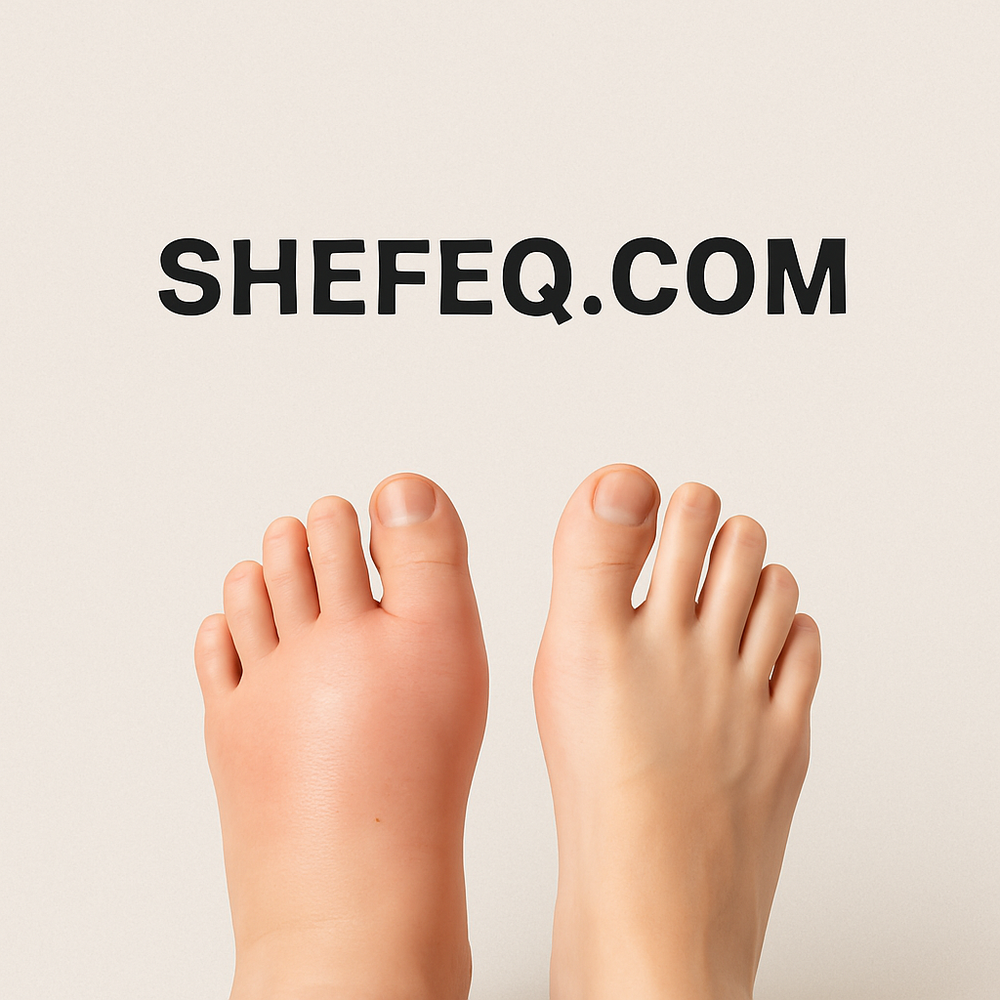
I. Introduction: The Silent Signal in the Legs
Leg swelling is a condition many people encounter in daily life but often ignore. When shoes feel tight in the evening, toes feel heavy, or there’s puffiness in the ankles—it may seem trivial. However, it can sometimes be the body’s way of signaling a more serious internal issue.
So why do legs swell? When is it dangerous, and when is it harmless? This article explores the possible causes, types, warning signs, and prevention methods for leg swelling in detail.
II. What is Leg Swelling?
Leg swelling (edema) occurs when fluid accumulates in the tissues. Normally, this fluid should be eliminated via the lymphatic and circulatory systems, but if something disrupts this balance, swelling can occur.
It may affect one or both legs, and may be seen in ankles, calves, toes, or the entire leg.
III. Common Causes of Leg Swelling
1. Prolonged Standing or Sitting
Lack of movement or staying in one position for too long can weaken blood circulation in the legs. Common scenarios include:
-
Long bus or airplane trips
-
Long working hours (especially standing jobs)
-
Sedentary lifestyle
2. Hot Weather and Fluid Retention
In summer, blood vessels expand, causing fluid to leak into surrounding tissues, resulting in:
-
Mild swelling in ankles and toes
-
A feeling of heaviness in the lower limbs
-
Increased discomfort by evening
3. Venous Insufficiency (Varicose Veins)
Weak valves in veins can prevent blood from returning to the heart, causing it to pool in the legs:
-
Swelling increases by evening
-
Visible veins
-
Burning, heaviness, and discomfort
4. Pregnancy
During pregnancy, fluid retention increases and the growing uterus presses on veins:
-
Swelling worsens toward evening
-
Symmetrical swelling in both legs
-
Shoes may feel tighter
5. Excessive Salt Intake
Too much salt causes water retention:
-
Swelling at night or in the morning
-
Fluid accumulation in legs, arms, and face
-
Possible high blood pressure
6. Kidney Disorders
If kidneys can't remove excess fluid:
-
Swelling in legs, under eyes, and face
-
Reduced or cloudy urine
-
General fatigue and blood pressure issues
7. Heart Failure
When the heart can't pump blood effectively:
-
Symmetrical swelling in both legs
-
Discomfort increases toward evening
-
Shortness of breath and fatigue
8. Liver Diseases
The liver produces albumin. Low levels cause fluid leakage:
-
Swelling in legs and abdomen (ascites)
-
Jaundice and loss of appetite
-
Severe fatigue
9. Lymphatic Obstruction (Lymphedema)
Occurs due to blockage in the lymphatic system:
-
Often in one leg
-
Firm swelling that doesn’t leave a dent when pressed
-
Chronic and hard to treat
10. Trauma and Injuries
Sprains, fractures, or muscle strains lead to localized swelling:
-
Usually one-sided
-
Painful, possibly red
-
Limited mobility
IV. Types of Leg Swelling
-
Acute Swelling: Sudden onset, often from trauma, infection, or thrombosis. May require urgent care.
-
Chronic Swelling: From chronic conditions (heart, kidney, lymph issues) requiring treatment.
-
Unilateral Swelling: Often due to injury, blockage, or lymphedema.
-
Bilateral Swelling: Seen in kidney, heart, liver diseases, or during pregnancy.
V. When to See a Doctor
Leg swelling could indicate serious problems if:
-
It starts suddenly and is painful or red
-
It’s one-sided and persistent
-
It’s accompanied by shortness of breath or chest pain
-
Puffiness under the eyes or face is also present
-
Urine output drops, blood pressure fluctuates, or heart rate increases
-
A pregnant woman also has muscle cramps or high blood pressure (risk of preeclampsia)
VI. 10 Essential Tips to Prevent Leg Swelling
-
Reduce Salt Intake: Keep daily salt below 5g to prevent water retention.
-
Stay Active: Avoid prolonged sitting or standing. Move your legs every 30 minutes.
-
Elevate Your Legs: Raise legs above heart level for 15 minutes in the evening.
-
Stay Hydrated: Water helps flush out excess fluid and supports kidneys.
-
Exercise: Walking, swimming, yoga, and breathing exercises boost circulation.
-
Wear Compression Stockings: Helpful for varicose veins or venous insufficiency.
-
Limit Caffeine and Alcohol: They increase fluid loss.
-
Wear Comfortable Shoes: Choose orthopedic, non-restrictive footwear.
-
Rest More in Hot Weather: Cool your body and avoid excessive heat.
-
Get Regular Check-Ups: Blood tests, urine tests, and ultrasounds may be necessary for chronic swelling.
VII. What Can Be Done at Home?
-
Apply cold compresses
-
Follow a salt-free diet
-
Drink lemon water or parsley tea (natural diuretics)
-
Use massage or reflexology for better circulation
-
Place a pillow under your feet while sleeping
VIII. Leg Swelling in Specific Groups
-
Children: Often caused by infections, allergies, or genetic issues
-
Pregnant Women: Common in the third trimester if no pain or high BP
-
Elderly: More frequent due to reduced vascular elasticity
-
Athletes: May result from trauma or overuse
IX. Common Misconceptions About Leg Swelling
-
“If your legs swell, don’t drink water.”
→ False. Not drinking water increases fluid retention. -
“Salty food strengthens the body.”
→ False. Too much salt causes swelling. -
“Daily leg pain and swelling are normal.”
→ False. Persistent swelling is a warning sign.
X. Conclusion: The Legs Speak — We Must Listen
Leg swelling is not just about tiredness — it can be a warning from the heart, kidneys, or veins. Identifying and understanding the cause in time can prevent serious issues.
Our bodies speak to us — often starting with the legs. Hearing these silent signals means staying healthy.
Question & Feedback:
Do you experience swelling in your legs by the end of the day?
When did you first notice changes in your legs?
What are your methods for relief? — Share in the comments!