
I. Introduction
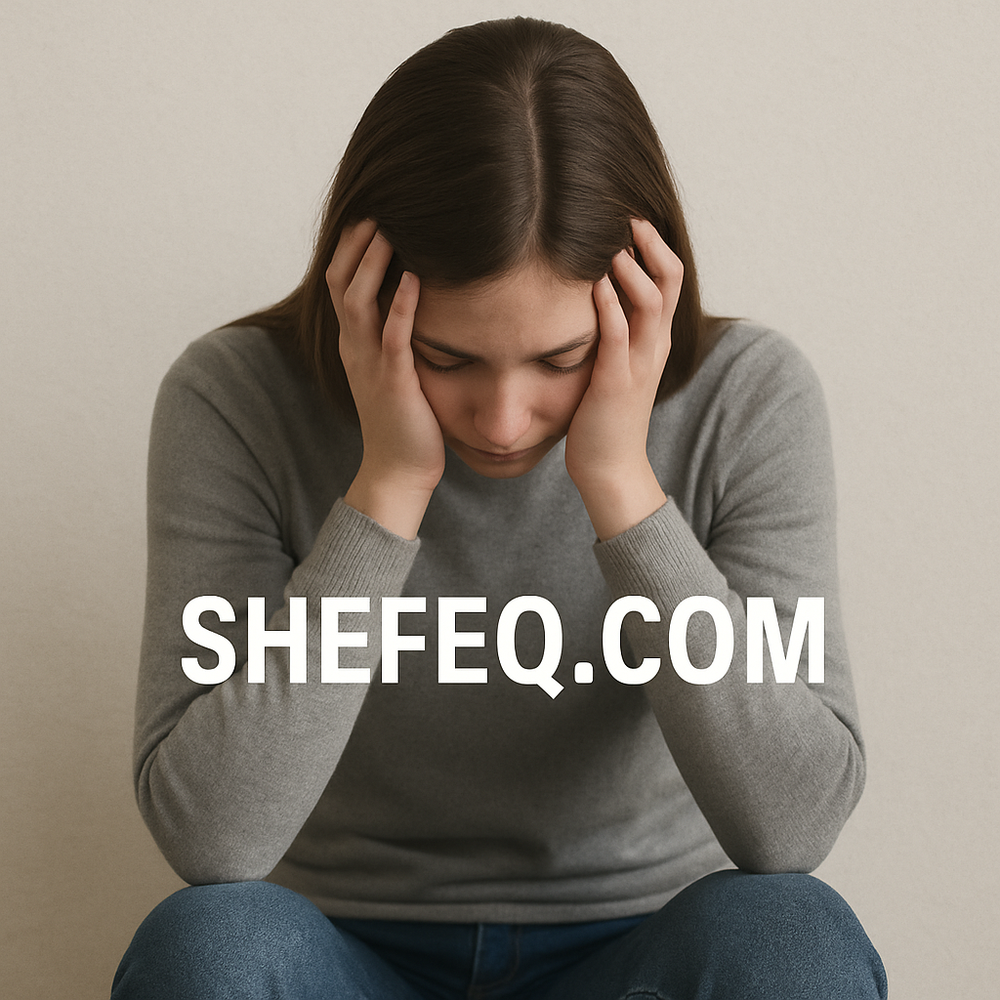
One of the most subtle and yet most destructive roles in human psychology is the “victim role.” A person who adopts this role watches their life as if from the outside — everything happens to them, yet they feel they have no control. This is not just a temporary emotion, but a long-term subconscious state. This article will thoroughly explore the causes of victim psychology, its impact on a person’s life, and, most importantly, how to break free from this role.
II. What is Victim Psychology?
1. Definition and Key Characteristics
Victim psychology refers to a mindset in which a person constantly feels wronged, abused, mistreated, or unlucky, and blames others for the events in their life. Such individuals:
-
See themselves as puppets of fate.
-
Always blame others for their problems.
-
Prefer to complain rather than change.
-
Ask for help but resist personal transformation.
2. Symptoms of the Victim Syndrome
-
Constant complaints and dissatisfaction.
-
Blaming others and self-blame at the same time.
-
A sense of powerlessness in the face of life events.
-
Passive behavior and avoidance of initiative.
-
Desire for empathy without willingness to change.
III. Where Does the Victim Role Come From?
1. Childhood Traumas
Victim thinking often forms in early childhood:
-
A child raised under pressure.
-
A child deprived of love and acceptance.
-
A child constantly blamed and threatened.
Such a child, unable to defend themselves, mentally adopts the “victim” role, which may persist into adulthood.
2. Social and Cultural Influences
-
In some societies, suffering is seen as a form of virtue or holiness.
-
Oppression and discrimination against women or certain social groups can reinforce this role.
-
Misinterpretation of religious or spiritual teachings (e.g., “endure everything,” “be patient”) can push people toward passivity.
IV. How Victim Psychology Affects a Person’s Life
1. Impact on Relationships
People playing the victim role often:
-
Manipulate in love: “If you leave me, I’ll die…”
-
Center themselves emotionally: “No one loves me…”
-
Create guilt in the other person.
This poisons relationships and prevents mutual growth.
2. Career and Personal Growth Obstacles
Victim-minded individuals:
-
Blame their superiors.
-
Attribute failure to the system.
-
Fear learning new things and avoid challenges.
3. Effects on Mental and Physical Health
-
Depression, anxiety, and hopelessness.
-
Psychosomatic disorders (stomach issues, back pain, headaches, etc.).
-
Lack of energy and loss of joy for life.
V. How to Break Free from This Role?
1. Self-Awareness — It All Starts Here
Ask yourself:
-
Am I truly a victim, or have I chosen to appear as one?
-
Who am I blaming, and why?
-
What am I gaining from this mindset?
Often, “being a victim” is a defense mechanism — a way to avoid the fear of change by accepting the status quo.
2. Take Responsibility
The biggest step forward is: “I am responsible!”
-
You can’t change the past, but you can change your reaction.
-
Instead of self-blame, focus on reclaiming your inner power.
-
Take the wheel of your life into your own hands.
3. Learn to Set Boundaries
Victims often say “yes” when they want to say “no.” Everyone has the right to:
-
Practice self-care.
-
Say “no.”
-
Express their own needs.
4. Adopt an Active Stance
Victim psychology is rooted in passivity. To overcome it:
-
Explore new hobbies and activities.
-
Volunteer, learn new skills.
-
Take action and seek experiences!
Fear dissolves through action — it grows with inaction.
5. Psychotherapy and Support
Sometimes the wounds run deep, and personal strength alone isn’t enough. Professional help can:
-
Reach the root of trauma.
-
Facilitate emotional release.
-
Help build new patterns of thinking.
VI. Be a Symbol of Strength, Not a Victim!
1. New Identity Model: Not a Victim, but a Hero
-
Become the author of your own story.
-
Turn pain into power.
-
Don’t try to change what happened — change what it means to you.
2. Affirmations and Positive Self-Suggestions
-
“I am the author of my life.”
-
“My past doesn’t speak for me — I speak to my future.”
-
“I deserve love, respect, and freedom.”
Repeating these daily can reprogram your mind for strength and growth.
3. Forgive Yourself and Release Others
Anger, resentment, and guilt are the food of victimhood. Letting go of them:
-
Brings inner freedom.
-
Enhances peace and calm.
-
Transforms your energy.
VII. Conclusion
Victim psychology is a changeable state. It is not the end — it can be a beginning. A new life begins the moment a person decides to change.
Playing the victim is staying silent in front of life.
Being a hero is standing strong in front of any storm.
If you sometimes feel like a victim, remember:
You are not a plaything of life’s random blows. You are a creative force.
VIII. Questions and Feedback for the Reader
-
Have you ever felt yourself trapped in this role?
-
Do you think being a victim is a personal choice or a result of circumstances?
-
Have you ever successfully escaped the victim mindset?
Share your thoughts with us in the comments — your story may guide someone else on their journey.