
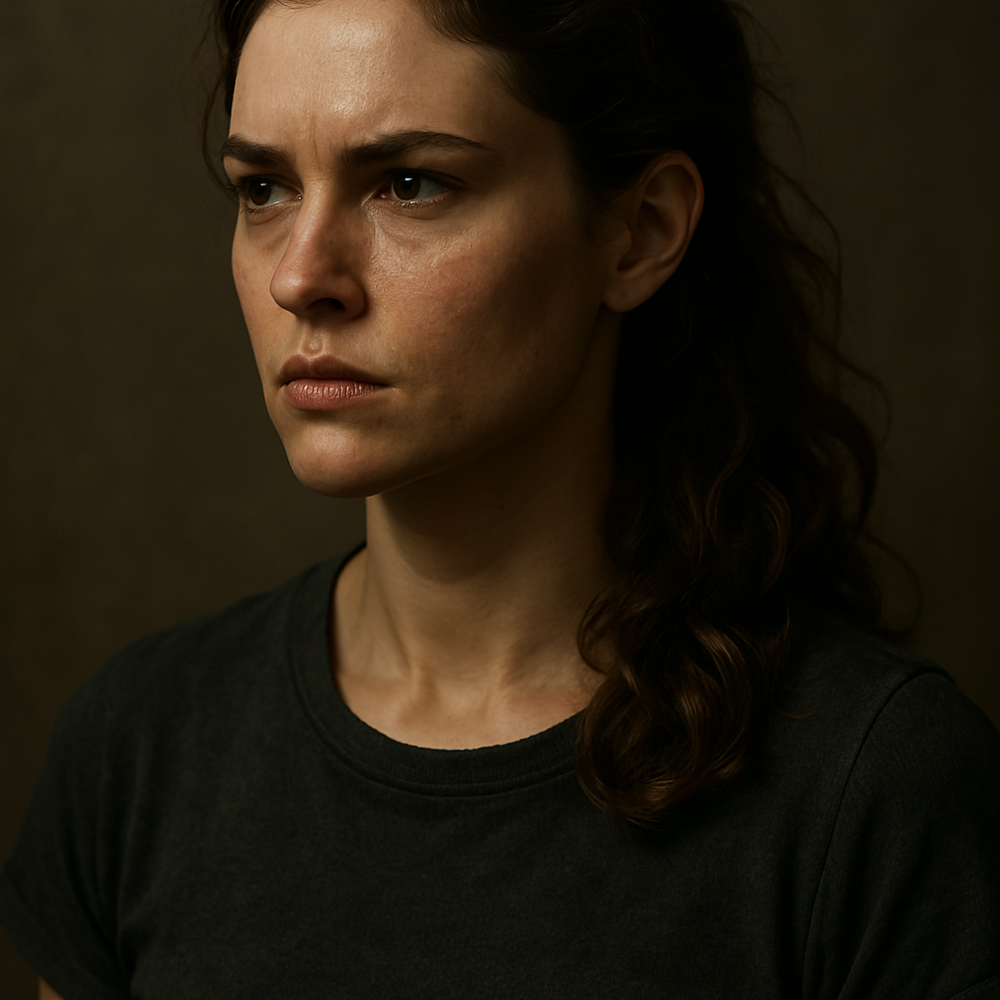
Introduction: A Woman Standing Before the Mirror
Cinema is not just entertainment — it is a guide to an era, a mindset, a culture, a set of stereotypes, and a map of transformation. The female characters we see on screen are mirrors of the social relationships and values of their time. Once presented as passive, obedient, aesthetic "decorations," women on screen have evolved into strong, independent, complex, and influential figures. This transformation is not just cinematic evolution, but also a visual reflection of feminism. In this article, we will explore the most impactful female characters in film history, their influence on society, and their value from a feminist perspective.
1. Historical Perspective: From Silent Women to Speaking Heroines
In the early days of cinema (1920s–1940s), female characters were mostly limited to love interests or domestic figures. They were depicted as inspirations or supporters in the lives of men.
Icons like Greta Garbo and Marlene Dietrich portrayed seductive and mysterious women, yet their heroism remained largely passive and aesthetic. But even then, there began a growing need for stronger, more independent female figures.
2. 1950s–1970s: From Silence to Rebellion
After World War II, as more women entered the workforce, this shift also became visible on screen.
In Breakfast at Tiffany's, Audrey Hepburn’s character Holly Golightly symbolized a new kind of woman — one who was elegant yet independent.
With the rise of feminism, women in cinema became more than just desirable figures; they became thinkers, seekers, and fighters.
Characters like Scarlett O'Hara in Gone with the Wind and the princess in Roman Holiday lived through emotions but made independent choices, showing complexity and strength.
3. 1980s–1990s: Women Heroes Step Forward
This period marked the rise of the “strong woman” archetype. Female protagonists were portrayed not only as emotionally strong but also as physically and intellectually powerful.
-
Ellen Ripley – Alien series (1979–1997)
Portrayed by Sigourney Weaver, Ripley proved that female heroes could be as strong as male ones — brave, intelligent, fierce, and deeply human. -
Sarah Connor – Terminator series
Linda Hamilton’s character transforms from an ordinary woman into a hardened warrior, driven by maternal love and determination to save the future.
These women were presented as whole heroes — emotionally resilient and physically tough.
4. 2000s: The Complex World of Women
In the 21st century, female characters became even deeper and more multi-dimensional. They were not just fighters, but also individuals with emotional depth, trauma, contradictions, and aspirations.
-
Erin Brockovich (Julia Roberts)
Based on a true story, this film shows a woman who fights for justice without a law degree — through sheer determination, empathy, and resilience, she defeats a powerful corporation. -
Katniss Everdeen – The Hunger Games
Played by Jennifer Lawrence, Katniss became a new model for young women — combining physical strength, moral clarity, and strategic thinking, she became both a savior and a symbol of revolution.
5. Quiet Power: When Strength Looks Gentle
Some of the most powerful female characters are also the quietest. Their strength lies not in aggression but in endurance, intelligence, and emotional balance.
-
Amélie Poulain – Amélie (2001)
She doesn’t fight anyone physically, but her subtle, emotional kindness transforms the lives of those around her. -
Clementine – Eternal Sunshine of the Spotless Mind (2004)
A non-traditional character with bold self-expression and emotional depth. Clementine represents freedom, complexity, and the beauty of being unapologetically oneself.
6. Feminism's New Phase: Voice and Identity
In the 2020s, female characters are not only strong but also possess distinct voices and identities. Topics like gender equality, race, ethnicity, and sexuality are increasingly represented in film.
-
Fern – Nomadland (Frances McDormand)
A quiet search for simplicity, freedom, and inner peace. Fern represents a non-traditional form of heroism, where minimalism becomes a powerful force. -
Jo March – Little Women (2019) (Saoirse Ronan)
Louisa May Alcott’s iconic heroine is reimagined as even more modern — strong-willed, outspoken, a writer who chooses her own path.
7. Women in Azerbaijani Cinema
Women in Azerbaijani cinema have also undergone transformation. Once largely depicted in traditional, domestic roles, now more documentaries and dramas showcase independent, intellectual, and socially active women.
-
Nar bağı (2017) – explores the psychological strength and complexity of a woman within family dynamics.
-
Nabat (2014) – portrays a lonely woman who refuses to leave her village during wartime. Her quiet defiance becomes a symbol of strength and resilience.
These films represent rare but powerful reflections of female strength within national cultural context.
8. The Impact of Strong Female Characters
The influence of these characters goes far beyond the screen. They:
-
Inspire girls and women
-
Break down social stereotypes
-
Broaden the roles of women in society
-
Promote feminist ideas through culture
Thanks to these films, discussions emerge around women's place in society, shifting perspectives and expectations.
Conclusion: Strength is More Than a Sword
A strong woman is not just one who fights or takes revenge or "equals" men. She is also someone who cries, thinks, loves, chooses, writes, teaches, and transforms.
Modern cinema increasingly portrays women with depth, color, and realism. And that means not just artistic growth — but the evolution of society itself.