
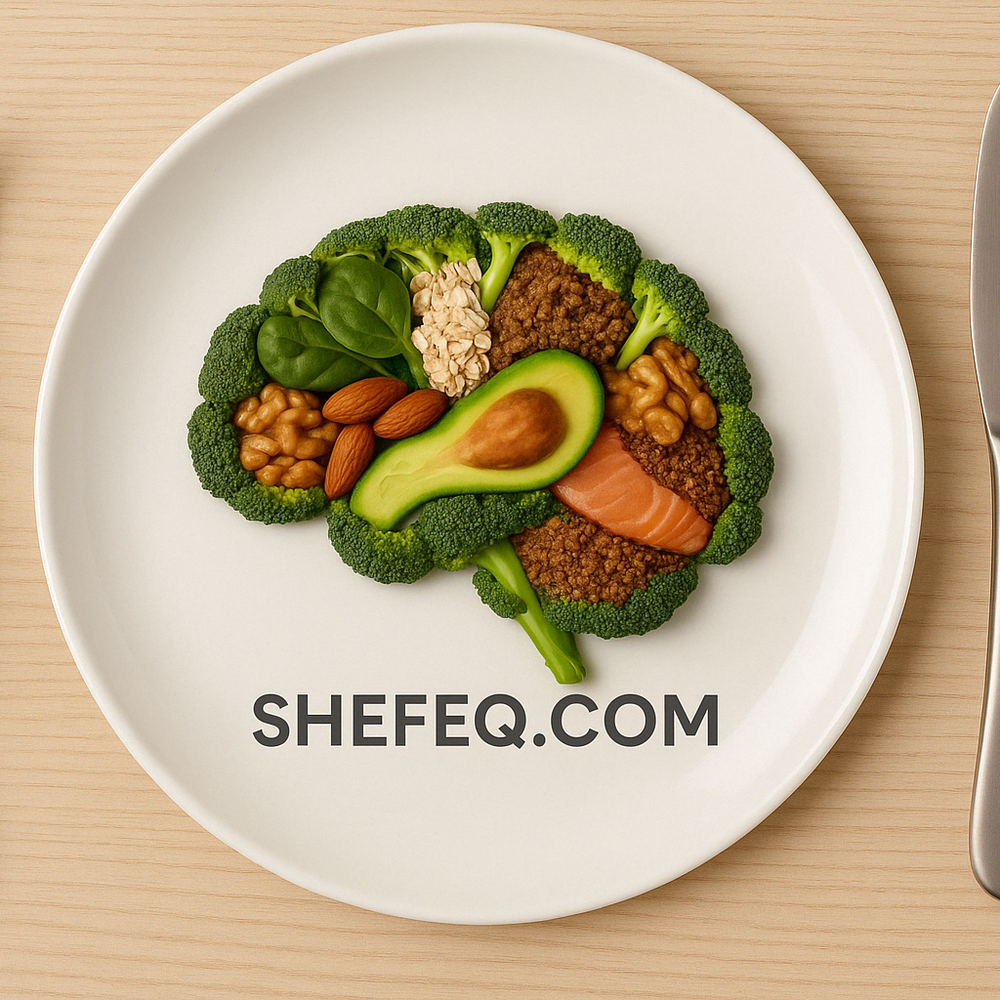
Introduction: Not Taste, but Emotion Remains “You are what you eat” — this phrase is no longer just a metaphor but a scientifically proven fact. Food nourishes not only the body but also the brain, soul, and emotions. Behind a simple plate of food lie chemical reactions, hormone releases, and emotional loads. So, what are we eating every day, and what emotions are we feeding?
1. Brain and Gut: The Second Brain Syndrome Recent scientific discussions center around the “second brain” — the gut. Research shows the gut has its own nervous system and interacts directly with the brain.
Trillions of bacteria living in the gut not only aid digestion but also regulate important substances such as serotonin (the happiness hormone), dopamine (the reward hormone), GABA (a calming neurotransmitter), and cortisol (the stress hormone).
Did you know that 90% of serotonin is synthesized in the gut? This means what we eat significantly affects how we feel.
2. Emotional Hunger: When the Soul Starves, Not the Body There are two types of hunger:
-
Physical hunger — the body’s need for energy
-
Emotional hunger — the mind’s attempt to fill psychological needs through food
During stress, loneliness, or anxiety, people often reach for sweet, fatty, or crunchy foods. These activate the brain’s reward system, temporarily increasing dopamine and improving mood.
But this short-lived “happiness” quickly turns into guilt, anxiety, and renewed hunger — completing the emotional loop.
3. Sugar – Joy or Suppressed Pain? Sweets cause a spike in serotonin and dopamine, creating a brief sense of joy. But:
-
Blood sugar rises and crashes quickly
-
Energy drops
-
Hunger returns
-
Dependence begins
Sugar creates both physical and psychological dependence. Studies show high sugar intake is linked to depression, panic attacks, and sleep disorders.
4. Calming Foods — Nourishment for the Brain’s Peace Some foods calm the nervous system thanks to omega-3s, magnesium, B vitamins, tryptophan, and antioxidants:
| Food | Emotional Effect |
|---|---|
| Banana | Boosts serotonin due to tryptophan |
| Nuts & seeds | Protect the nervous system with omega-3s |
| Dark chocolate | Increases endorphin and dopamine |
| Oatmeal | Balances liver and brain |
| Avocado | Reduces stress, rich in B vitamins |
| Spinach | Relaxes muscles and brain with magnesium |
| Flaxseeds | Balances dopamine via antioxidants |
5. Silent Killers — Foods That Drain Emotional Energy Some foods tire the mind more than the body:
-
Fast food — high sodium, low nutrients
-
Sodas — insulin spikes, energy crashes
-
Trans fats — brain inflammation, poor memory and focus
-
White flour — blood sugar fluctuations
These create emotional blocks: aggression, low motivation, fatigue, anxiety.
6. Childhood-Tied Flavors Childhood traumas and joys are encoded in taste memory:
-
People seek comfort foods from childhood under stress
-
Meat-eaters feel unsatisfied with veggie dishes
-
Those who knew hunger feel secure when overeating
Food is not just fuel — it is an emotional program.
7. You Are What You Eat – The Food-Mood Connection Nutritional psychiatry explores how diet affects mental health. In depression, panic attacks, ADHD, autism, and bipolar disorder, gut flora and diet matter:
Findings:
-
Probiotics (kefir, yogurt, sauerkraut) — improve emotional balance
-
Low-sodium diets — stabilize the nervous system
-
Vitamin D deficiency — linked to depression
-
B12 deficiency — causes forgetfulness and low motivation
8. Fasting and Autophagy – Mental Cleansing Studies show that short-term fasting enhances concentration, emotional stability, and brain neurotrophic factors.
During fasting:
-
Blood sugar stabilizes
-
Serotonin is regulated
-
Autophagy cleans harmful cell proteins
-
Mental and emotional clarity increases
9. Emotional Detox – A Diet for the Mind Not only food, but also media influence mental health:
-
Avoid negative news
-
Don’t chase unrealistic food standards on social media
-
Eat consciously — not for emotions but for real needs
-
Practice mindful eating
Conclusion: Your Plate Reflects Your Soul We nourish not just the body but our emotions. Food enters the body, gives energy, and shapes feelings. Over time, these feelings shape our lifestyle.
Toxic food leads to toxic emotions. Clean, balanced meals lead to calmness, positivity, and clarity.
In the future, perhaps people will diet not for their figure, but for their minds.