
Introduction
The Godfather, directed by Francis Ford Coppola in 1972 and based on the novel of the same name by Mario Puzo, is a profound mafia drama that delves deep into the world of the Corleone family, exploring themes of power, loyalty, morality, and family bonds. Starring legendary actors such as Al Pacino, Marlon Brando, and James Caan, the film is widely regarded as one of the most influential works in cinematic history. The Godfather is more than just a crime drama—it is a philosophical reflection on human nature and the moral ambiguities surrounding justice and power.
Plot Summary
Set in the 1940s in New York, the film centers on the powerful Corleone family. Vito Corleone (Marlon Brando), the patriarch, commands immense respect in the mafia world. His philosophy emphasizes loyalty, protection of family, and the strategic use of power—sometimes through violence—to maintain influence.
The story begins with Vito’s godson, Johnny Fontane, seeking help to revive his failing Hollywood career. Vito uses intimidation to ensure Johnny's success, symbolizing the Don’s ability to manipulate outcomes beyond the law. This early scene sets the tone for the film’s exploration of moral compromises and the blurred lines between justice and crime.
As the film progresses, attention shifts to Michael Corleone (Al Pacino), Vito’s youngest son, a war hero and college-educated man who initially wishes to remain uninvolved in the family’s criminal activities. However, following an assassination attempt on his father, Michael steps in to defend the family’s honor, setting him on a transformative path.
Michael undergoes a profound psychological and ethical evolution, abandoning his former moral ideals and assuming a leadership role within the family. By the film’s end, he has become the new Don, embodying the same ruthless power his father once held. This transformation highlights the seductive nature of power and the cost it exacts on one's values.
Character Development
The Godfather excels in its portrayal of complex character arcs, most notably that of Michael Corleone. Initially portrayed as honorable and distanced from crime, Michael’s gradual descent into the heart of the mafia world is both compelling and tragic. His willingness to commit murder to protect his family marks a turning point, showing how personal loyalty can override ethical restraint.
Michael’s evolution from a moral outsider to a calculating leader reflects the corrupting influence of power. His decisions become increasingly driven by the need to consolidate control, rather than purely to protect his loved ones. His moral compass shifts, revealing how leadership in such a world demands personal sacrifice and emotional detachment.
Vito Corleone, by contrast, is a more traditional figure—ruthless yet paternal, a man who uses violence strategically while maintaining a veneer of honor. He embodies the paradox of a man who values family yet upholds a system built on fear and domination. His character serves as a symbol of the cost of power and the ethical compromises that come with it.
Themes and Motifs
The Godfather addresses numerous profound themes—chief among them power, family, justice, and revenge. The film raises essential questions: How is power obtained and maintained? What is the price of loyalty? Can justice exist in a world ruled by corruption?
Power is a central motif, as Vito and later Michael assert dominance over rivals through both negotiation and violence. Although their actions strengthen the family, they also lead to isolation and moral decay. The pursuit of power often results in tragic consequences.
Family is portrayed as both a sacred and suffocating institution. The bonds between father and sons, brothers, and allies are marked by intense loyalty, but also by a sense of obligation that leads to irreversible choices. The Corleone family's unity is both its greatest strength and a source of personal conflict.
Revenge also plays a pivotal role. Both Vito and Michael respond to threats with calculated retaliation. While it provides momentary justice, it also perpetuates a cycle of violence. The revenge narrative reveals how the thirst for justice can evolve into a ruthless drive for control.
Cinematic Techniques
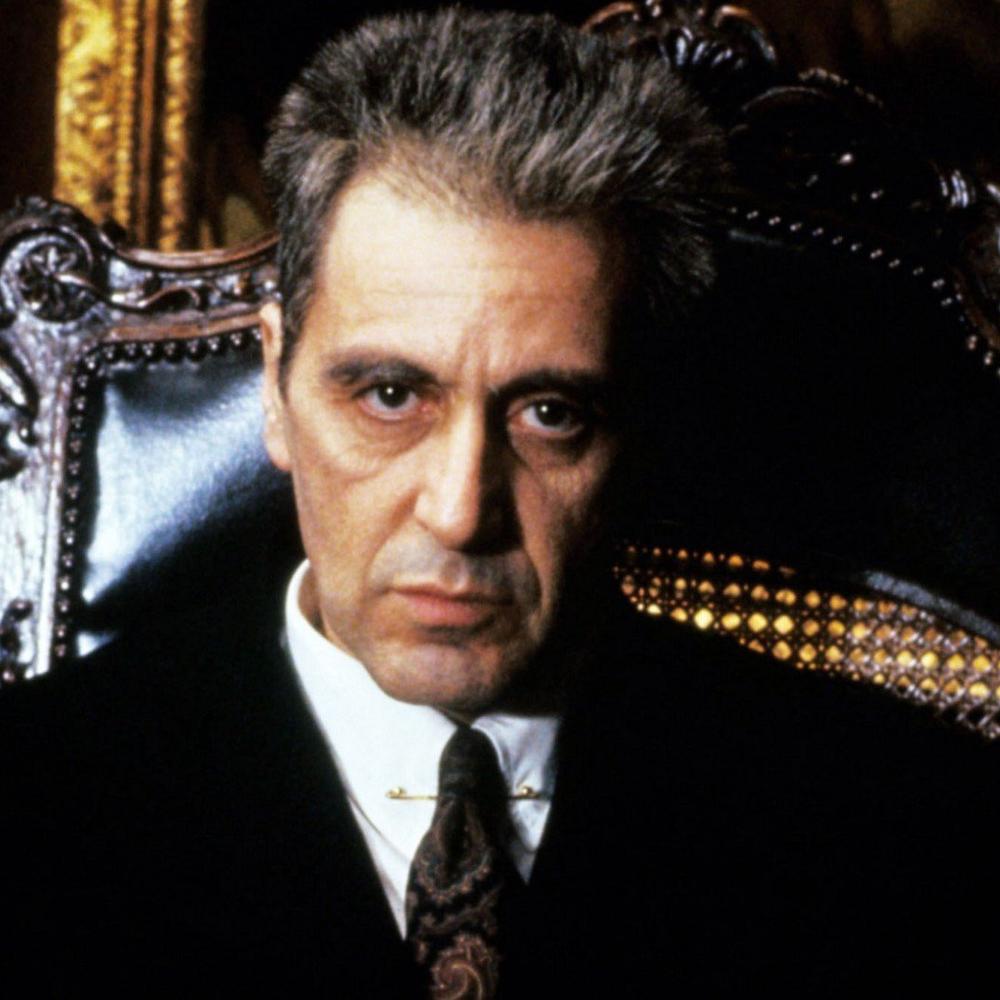
Coppola’s direction, paired with Gordon Willis’s cinematography, creates a haunting and immersive visual style. The use of shadow and darkness emphasizes the film’s moral ambiguity, while the careful framing of characters in intimate, dimly lit spaces enhances the intensity of dialogue and emotional weight.
The film’s color palette—rich in browns, golds, and blacks—gives it a timeless, almost sepia-toned quality. Close-up shots and low-angle camera positions emphasize power dynamics and emotional transformation. Nino Rota’s iconic score adds a melancholic and dramatic layer, reinforcing the film’s themes of loss, destiny, and tradition.
Conclusion
The Godfather is not merely a story of mafia life—it is a masterwork of storytelling that examines the human condition. Through the characters of Michael and Vito Corleone, the film explores how power can both protect and destroy, how family can demand sacrifice, and how moral boundaries can be redefined in the face of survival.
The film's lasting legacy lies in its ability to make the audience question the nature of justice, leadership, and loyalty. It remains one of the greatest cinematic achievements ever made—both a visual masterpiece and a philosophical reflection on the choices that define us. The Godfather continues to resonate because it captures timeless truths within the shadowy world of crime and power.