
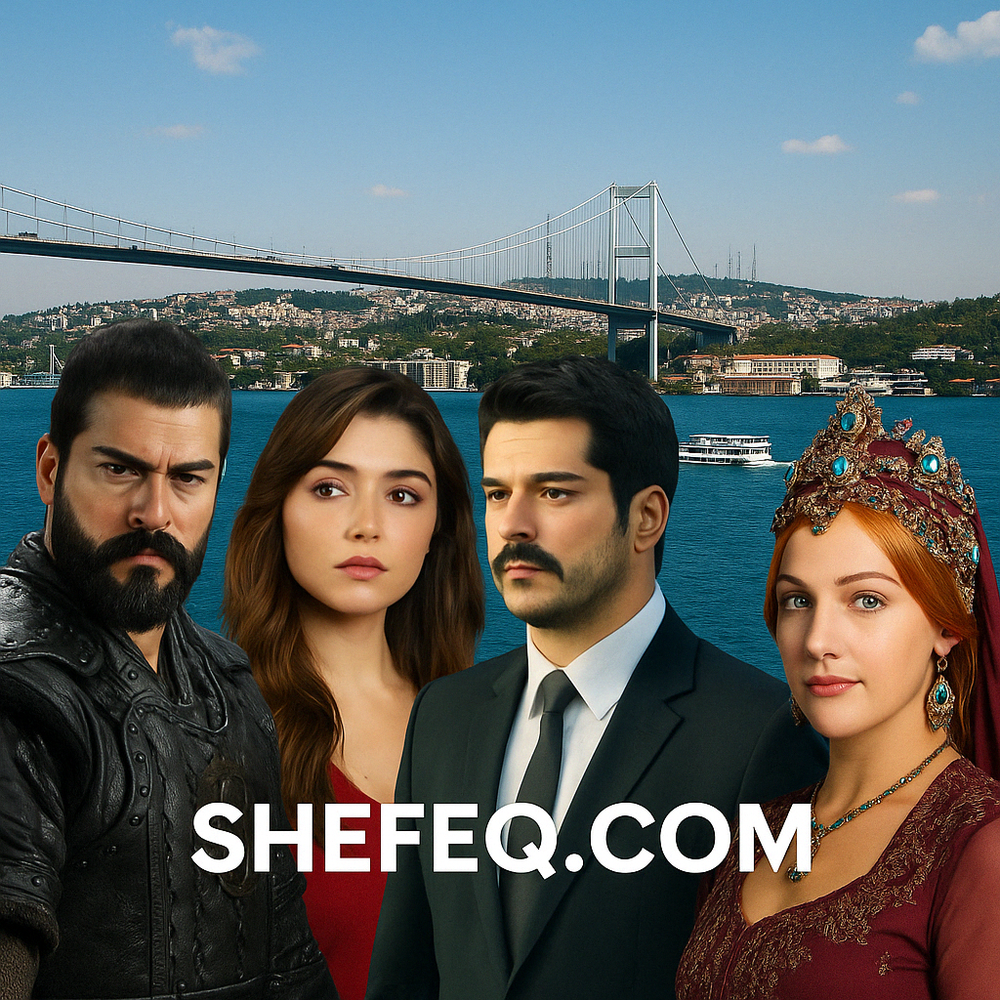
Introduction – One Screen, Thousands of Hearts
Turkish TV series are no longer a product exclusive to Turkey. They are loved, watched, and discussed around the world. From Latin America to Central Asia, from Arab countries to the Balkans, these series have become a part of millions of viewers’ daily lives. But why are they so successful? In this article, we will comprehensively analyze the international success formula, emotional appeal, cultural power, and production quality of Turkish dramas.
1. Historical Background – From Yeşilçam to the World
1.1. The Legacy of Yeşilçam
Between 1950–1980, the famous Yeşilçam era in Turkey shaped mass production in cinema and an emotional narrative style. Directors, screenwriters, and actors trained during this period laid the foundation for the future TV industry.
1.2. The First Major Series
In the 1990s, family-centered series like Süper Baba and Bizimkiler emerged, followed in the 2000s by dramas and action-packed shows like Asmalı Konak and Kurtlar Vadisi, which reached a broad audience.
2. The Success Formula of Turkish TV Series
2.1. Strong Emotional Connection
The core strength of Turkish series lies in their emotional intensity. Every story touches on universal feelings — love, betrayal, family dynamics, and class conflict. Viewers empathize deeply with the characters.
2.2. Extended Episodes
Each episode is around 120–150 minutes long — almost like a full-length film. This immerses the audience in the plot and creates room for psychological connection.
2.3. High Production Quality
Excellent cinematography, natural landscapes, music, and costume design create a cinematic impression. In historical dramas especially, set design and period atmosphere are meticulously crafted.
3. Global Successes of Popular Turkish Dramas
3.1. Muhteşem Yüzyıl – Rewriting History
The story of Hürrem and Sultan Suleiman in the Ottoman court has been sold to over 70 countries. Powerful female portrayals, intrigue, and visual richness made it a global phenomenon.
3.2. Diriliş: Ertuğrul and Kuruluş: Osman – Heroes of the Islamic World
These series focus on national identity, heroism, faith, and family values, resonating especially in Arab and Asian countries.
3.3. Aşk-ı Memnu – Classic Literature on Screen
Based on the novel by Halit Ziya Uşaklıgil, this series about forbidden love struck a deep emotional chord and gained popularity in the Latin American market as well.
4. Social and Psychological Impact of Popularity
4.1. Fashion and Behavior Trends
The clothing styles, speech, and interior decor of characters often become models in many countries — especially among youth.
4.2. Transformation of Female Characters
Women in Turkish dramas are no longer passive victims but strong, multidimensional, and decision-making figures. This aligns with feminist discourse in many societies.
4.3. Cultural Export and “Soft Power”
Through these series, Turkish language, customs, food, and family values are introduced to global audiences, significantly enhancing Turkey’s international image.
5. Technology and Digital Platforms
5.1. The Netflix and BluTV Era
Turkish series are no longer limited to television. Original series like Atiye, Bir Başkadır, and Midnight at the Pera Palace are made for the digital generation and distributed globally.
5.2. Social Media and Fandom Culture
Scenes from series trend on platforms like Instagram, TikTok, and Twitter. Fan accounts emerge, and international viewer communities become actively engaged.
6. Criticism and Internal Contradictions
6.1. Length and Slow Pacing
For some viewers, the long episodes and slow narrative progress can reduce interest, making international competition more challenging.
6.2. Violence and Stereotypes
An increase in violent scenes and repeated stereotypes in some series draw criticism. However, this is often justified as a reflection of social reality.
7. Interest of Azerbaijani Viewers
For Azerbaijani audiences, Turkish series are particularly special due to cultural closeness, linguistic similarity, and shared lifestyles. Among the most popular are Eşkıya Dünyaya Hükümdar Olmaz, Sen Çal Kapımı, and Yalı Çapkını.
8. The Future — Greater Diversity
8.1. Alternative Genres
New genres like science fiction, thriller, psychological drama, and documentary-style series are being explored — a promising step toward engaging diverse audiences.
8.2. Global Collaborations
Turkey no longer relies solely on its domestic industry — joint projects with India and European producers are emerging, enriching both financially and artistically.
Conclusion – From Series to the World
Turkish series are not just stories — they are cultural bridges. They teach people to love, endure, rebel, and forgive. These are not just characters — they are emotions that transcend language.
And that is why they conquered the world.
As long as stories are told — the conquest continues…