
Introduction
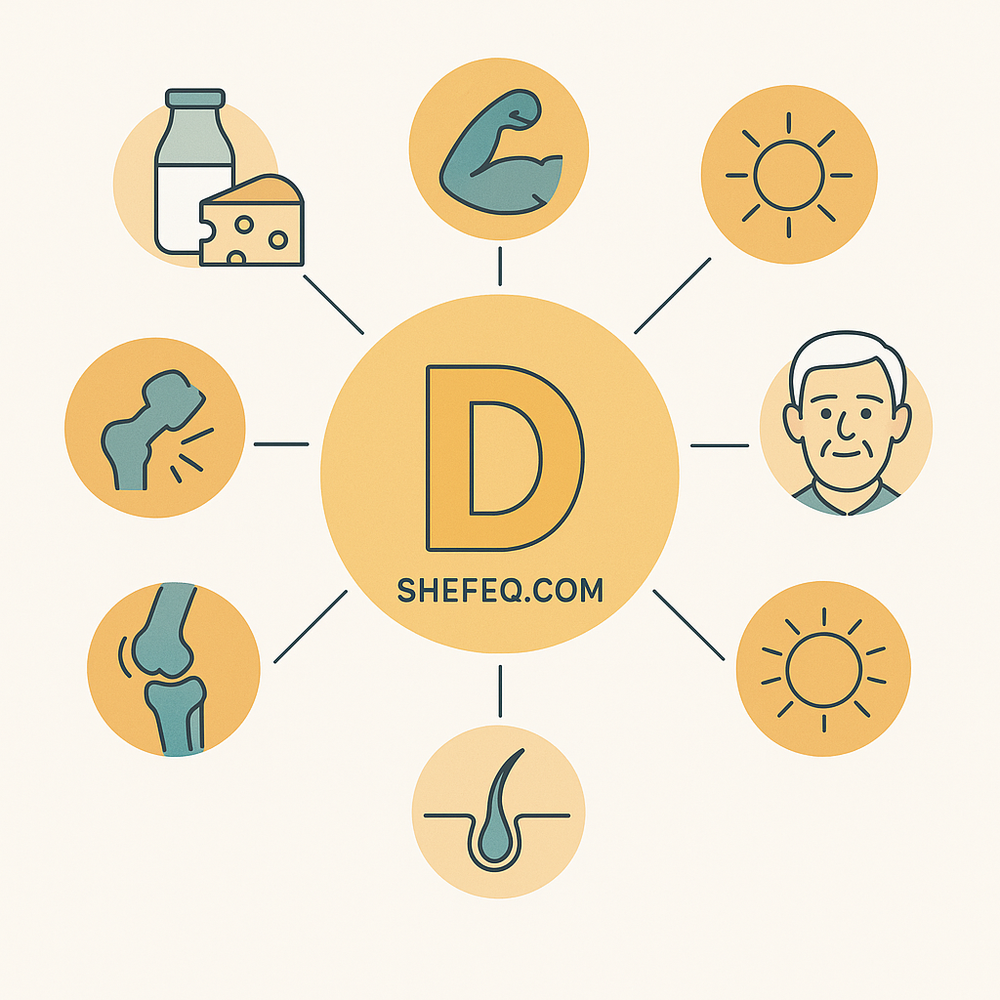
Vitamin D is a fat-soluble vitamin essential for human health. It functions not only as a vitamin but also acts as a hormone. Vitamin D deficiency is widespread globally, affecting both developed and developing countries, leading to significant health issues. This article provides an in-depth explanation of the effects of vitamin D deficiency on the body, its symptoms, risk groups, and preventive measures.
The Role of Vitamin D in the Body
Vitamin D exists in several forms:
-
D2 (ergocalciferol) – derived from plants
-
D3 (cholecalciferol) – synthesized by the skin through sunlight exposure and found in animal-based foods
The active form in the body is calcitriol (1,25-dihydroxycholecalciferol), which performs the following functions:
-
Calcium and phosphorus metabolism: Crucial for the health of bones and teeth.
-
Immune system: Enhances resistance to diseases.
-
Cell division: Regulates cell growth and regeneration.
-
Muscle function: Maintains muscle strength and balance.
-
Cardiovascular system: Positively affects vascular health.
Main Causes of Vitamin D Deficiency
-
Insufficient exposure to sunlight
-
Living in areas with limited sunlight or high latitudes
-
Spending excessive time indoors
-
Lower synthesis levels in individuals with darker skin
-
Aging – reduced skin synthesis of vitamin D
-
Inadequate dietary intake of vitamin D
-
Liver and kidney diseases
-
Obesity – vitamin D is stored in fat tissue and may not convert to its active form
-
Gastrointestinal diseases (e.g., Crohn's disease, celiac disease) – malabsorption issues
Symptoms of Vitamin D Deficiency
-
Chronic Fatigue and Low Energy
-
One of the most common symptoms. Vitamin D supports the function of mitochondria, which produce energy. Its deficiency leads to decreased cellular energy levels, causing persistent fatigue.
-
-
Muscle Pain and Weakness
-
Essential for muscle health. Deficiency can lead to:
-
Muscle weakness, increasing the risk of falls, especially in the elderly
-
Pain in shoulders, back, lower back, and legs
-
Quick exhaustion during physical activity
-
-
-
Bone Pain and Osteomalacia
-
Classic symptoms include bone pain and softening. Pain is often felt in:
-
Hips
-
Knees
-
Lower back
-
Ribs
-
-
Prolonged deficiency can lead to osteomalacia (soft bones in adults) and osteoporosis.
-
-
Frequent Illnesses and Weakened Immunity
-
Vitamin D is a key regulator of the immune system. Deficiency can result in:
-
Frequent colds and flu
-
Increased susceptibility to bacterial and viral infections
-
Higher tendency toward autoimmune diseases
-
-
-
Depression and Mood Changes
-
Research indicates vitamin D plays a role in balancing serotonin and dopamine hormones. Deficiency may cause:
-
Frequent mood swings
-
Lack of motivation
-
Long-term depressive symptoms
-
Reduced enjoyment of life
-
-
-
Insomnia and Frequent Night Awakenings
-
Vitamin D is involved in melatonin synthesis, which regulates sleep. Deficiency can lead to:
-
Difficulty falling asleep
-
Frequent awakenings
-
Waking up feeling unrested
-
-
-
Hair Loss
-
Affects hair follicle activity. Deficiency may cause:
-
Diffuse hair loss
-
Increased risk of alopecia areata (patchy hair loss)
-
-
-
Poor Wound Healing
-
Plays a crucial role in the body's regeneration process. Low levels can result in:
-
Slow wound healing
-
Delayed skin repair
-
Prolonged healing of surgical incisions
-
-
-
Dental Problems
-
Vital for dental and gum health:
-
Bleeding gums
-
Rapid tooth decay
-
Delayed tooth eruption in children
-
-
-
Menstrual Irregularities and Hormonal Issues
-
In women, hormonal imbalances may be linked to low vitamin D levels, leading to:
-
Irregular menstrual cycles
-
Exacerbation of polycystic ovary syndrome (PCOS)
-
Increased risk factors during pregnancy
-
-
At-Risk Groups
-
Pregnant and breastfeeding women
-
Elderly individuals
-
People with darker skin tones
-
Individuals with obesity
-
Patients with liver and kidney diseases
-
Vegans and vegetarians
-
People with limited sun exposure (e.g., those wearing full-body coverings or office workers)
Determining Vitamin D Levels
The most reliable test:
-
25(OH)D – Measurement of 25-hydroxyvitamin D levels
Assessment:
-
<20 ng/mL – Severe deficiency
-
21-29 ng/mL – Insufficient level
-
30-50 ng/mL – Optimal level
-
>100 ng/mL – Potentially toxic
Foods Rich in Vitamin D
-
Salmon, mackerel, sardines
-
Egg yolks
-
Liver
-
Milk and dairy products (if fortified)
-
Fortified cereals
-
Fish oil
The Most Natural Source: Sunlight
-
Daily 15–30 minutes of direct sunlight exposure
-
Hands, face, and feet should be exposed
-
Synthesis is not possible through glass or on sunscreen-covered skin
Prevention and Treatment
-
Sun Exposure
-
The most affordable and natural method
-
Before 10:00 AM or after 4:00 PM
-
-
Dietary Changes
-
Increase intake of animal-based products
-
Supplements are essential for vegans
-
-
Vitamin D Supplements
-
Oral or injectable forms
-
Dosage:
-
Children: 400–800 IU
-
Adults: 1000–2000 IU
-
-
Higher doses may be prescribed by a doctor
-
Risks of Excess Vitamin D
Excessive amounts can be toxic and may cause:
-
Nausea, vomiting
-
Kidney stones
-
Hypercalcemia
-
Weakness, arrhythmia, abdominal pain
Therefore, high doses should not be taken without medical supervision.
Conclusion
Vitamin D deficiency significantly affects not only bone health but also mental state, immune system, hormones, and daily energy levels. Hence:
-
Regular testing
-
Adequate sun exposure
-
Balanced nutrition
-
Supportive supplements
are essential.
This issue can develop silently and persist for years. To protect your health, remember to check your vitamin D levels and take necessary measures.
Questions and Feedback for Readers:
Have you experienced any of these symptoms? When was the last time you tested your vitamin D levels? Share your experiences in the comments to help others.