
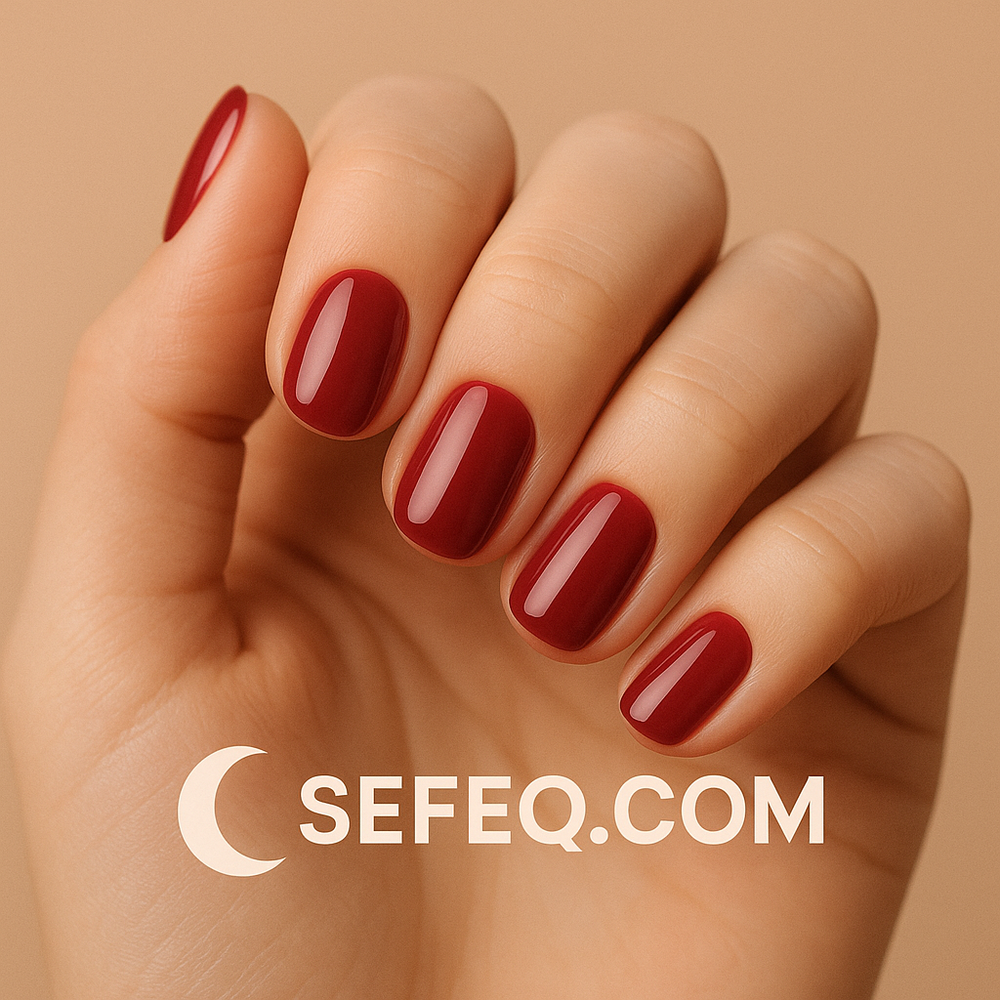
I. Introduction: Beauty and Nail Care
Nail care has become an essential part of beauty rituals. In modern times, nail polishes and coatings are not just about aesthetics—they also send a message about their wearers and have become symbols of self-confidence. In this article, we will explore in detail a specific type of semi-permanent nail polish known as Shellac: its essence, application, benefits, and most importantly, its potential harms.
II. What is Shellac? – Technical and Chemical Description
2.1. The origin of Shellac polish
Shellac is actually derived from a natural resin secreted by tree insects (Laccifer lacca) found in countries like India and Thailand. However, the commercial Shellac used on nails—popularized under the CND brand—is a special coating system that combines gel and traditional polish.
2.2. What does semi-permanent polish mean?
These polishes last between 1–3 weeks, are cured under UV or LED lamps, and create a thin, glossy appearance on the nail surface. But behind this beauty lie chemical components that may pose serious health risks.
III. Advantages of Shellac – Why Is It So Popular?
-
Long-lasting – Unlike regular polishes, Shellac can stay intact for 14–21 days.
-
Glossy finish – Creates a smooth and shiny effect.
-
Break-resistant – Strengthens nails to some extent.
-
Wide range of colors – Offers thousands of shades and designs.
-
Quick drying – Hardens within seconds under a lamp, with no waiting time.
However, these advantages may be overshadowed by certain harmful effects upon deeper analysis.
IV. Harms of Shellac and Semi-Permanent Polishes
4.1. Effects of UV and LED lamps
UV and LED lamps used during Shellac application emit ultraviolet rays. With prolonged and repeated exposure:
-
May increase the risk of skin cancer (melanoma and non-melanoma).
-
Accelerates photo-aging – causing early wrinkles and pigmentation spots.
-
Leads to dryness and thinning of the skin on the hands.
4.2. Acetone removal process
Shellac polish cannot be removed with regular cotton and remover. To remove it:
-
Cotton soaked in 100% acetone is placed on the nail for 10–15 minutes.
-
This weakens the nail layers and dries out the cuticle.
-
Frequent repetition leads to peeling, brittleness, and yellowing of the nails.
4.3. Dangerous chemicals in the formula
Shellac polishes may contain:
-
Formaldehyde – Proven to be carcinogenic.
-
Toluene – Affects the nervous system when inhaled.
-
DBP (Dibutyl phthalate) – May cause endocrine disruptions.
-
Camphor – In high amounts, may cause respiratory issues.
These substances are not only absorbed through the nail but also enter the body through inhalation.
V. Psychological and Behavioral Harms
5.1. Addiction and repetitive need
Once someone uses Shellac, they may struggle to see their nails without it—leading to visual dependency and cosmetic pressure.
5.2. Self-rejection
Those accustomed to always having perfect, glossy nails may develop a negative perception of their natural nails, undermining self-confidence.
VI. Warnings from Doctors and Dermatologists
6.1. Dermatologists say:
Frequent contact with Shellac can cause allergic contact dermatitis, eczema, and inflammation of the nail bed.
6.2. Gynecologists and toxicologists say:
Nail polish chemicals can affect hormones and damage the reproductive system. They are particularly discouraged for pregnant women.
VII. Alternatives and Safer Beauty Options
7.1. Natural polishes
Available in "5-free" or "10-free" brands without formaldehyde, toluene, or DBP.
Examples include: Zoya, Kure Bazaar, Suncoat.
7.2. Enhancing nail beauty at home
-
Masks with olive oil, lemon juice, and vitamin E.
-
Nail buffers (polishing blocks).
-
Diets rich in biotin.
VIII. Real Experiences: Women Speak Out
Here, real user experiences can be included in the article:
-
“I had Shellac a few times, but it felt like my nails had died.”
-
“After the acetone procedure, my nails peeled, and I couldn’t restore them for months.”
-
“When my hand went under the UV lamp, the heat scared me, but the technicians said ‘it’s normal’.”
IX. Conclusion: Beauty Shouldn’t Come at the Cost of Harm
Shellac and other semi-permanent polishes may look attractive, but their health risks shouldn’t be ignored. The harms mentioned in this article are based on scientific studies, medical opinions, and real user feedback.
Beauty should never override health. Shiny nails aren’t worth sacrificing your life energy.
What Do You Think?
Have you ever used Shellac or other semi-permanent nail polishes?
Did they harm or benefit you?
Share your experience in the comments section!