
Introduction
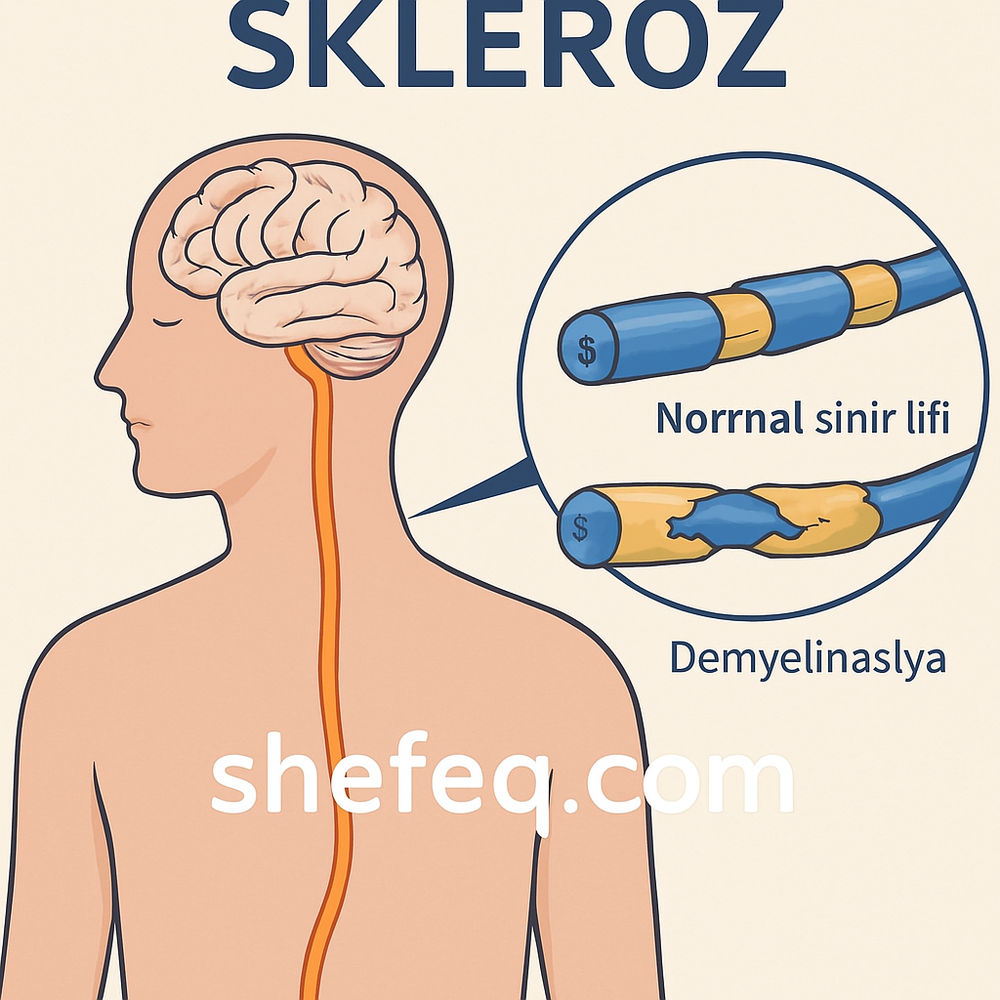
Sclerosis is one of the most mysterious and frightening diseases of the human brain and nervous system, deeply altering the daily lives of many people. The word “sclerosis” comes from Latin, meaning “hardening” – a name that accurately reflects the disease’s nature: it is characterized by the hardening, deformation, and destruction of the myelin sheath that protects nerve fibers and ensures signal transmission. As a result, nerve impulses are disrupted, leading to serious issues with muscle control, memory, sensation, and other vital functions.
What is Sclerosis?
Sclerosis occurs in several forms. The most common is Multiple Sclerosis (MS). Other types include Amyotrophic Lateral Sclerosis (ALS), Systemic Scleroderma (sclerosing diseases), and Senile Sclerosis (age-related brain hardening).
In MS, the body’s immune system attacks its own nervous system. This autoimmune reaction damages the myelin sheath in the brain and spinal cord. Myelin ensures fast and efficient transmission of nerve impulses. When it is damaged, delays occur, signals get “lost,” and various neurological symptoms appear.
Epidemiology and Risk Factors
Over 2.8 million people worldwide suffer from MS. It is most commonly diagnosed between ages 20 and 40, and women are twice as likely as men to be affected.
Common risk factors include:
-
Genetic predisposition
-
Living in northern climates
-
Vitamin D deficiency
-
Epstein-Barr virus infection
-
Smoking
-
Chronic stress and emotional trauma
Symptoms and Clinical Course
Symptoms of sclerosis are highly variable and individual. The most typical include:
-
Muscle weakness and paralysis
-
Numbness, tingling, or loss of sensation in limbs
-
Vision disturbances (optic neuritis)
-
Impaired balance and coordination
-
Bladder and bowel dysfunction
-
Memory loss and difficulty concentrating
-
Chronic fatigue
-
Depression and mood swings
ALS, one of the most severe forms, affects motor neurons, leading to progressive muscle weakness and paralysis. It is considered fatal, usually due to respiratory failure.
Diagnosis
Diagnosis of sclerosis is complex and multi-step. The following methods are widely used:
-
MRI (Magnetic Resonance Imaging): to detect brain and spinal cord lesions
-
Lumbar puncture: analysis of cerebrospinal fluid for oligoclonal bands typical of MS
-
Evoked potentials test: measures the speed of nerve impulse transmission
-
Blood tests: to exclude similar conditions
Treatment Approaches
There is no cure for sclerosis, but modern medicine offers treatments to slow its progression, reduce relapses, and manage symptoms.
-
Anti-inflammatory and immunomodulatory drugs:
-
Interferon beta (Avonex, Rebif)
-
Glatiramer acetate (Copaxone)
-
Natalizumab
-
Fingolimod
-
Ocrelizumab
-
-
Symptomatic treatment:
-
Medications for muscle spasms
-
Pain relievers and antidepressants
-
Physiotherapy and rehabilitation programs
-
Psychological support
-
-
Alternative approaches:
-
Vitamin D supplements
-
Omega-3 fatty acids
-
Meditation, yoga, and stress reduction
-
For ALS and other severe forms, treatment focuses on symptom relief. Respiratory aids, nutritional support, and specialized rehabilitation play a crucial role.
Living with Sclerosis – A Daily Struggle
Sclerosis is not only a medical condition but also a psychological and social challenge. To maintain quality of life, it is essential to have:
-
Regular medical monitoring
-
Supportive family and social environment
-
Active lifestyle and proper nutrition
-
Stress management techniques
Many people with sclerosis continue to work, maintain family life, and even participate in sports. Understanding and accepting the disease is key to adapting and moving forward.
Social and Public Impact
The early onset and widespread nature of sclerosis make it a significant concern for public health. It leads to loss of productivity, social adaptation challenges, and psychological trauma.
What should public support include?
-
Accessible rehabilitation centers
-
Simplified disability recognition processes
-
Workplace accommodations
-
Public awareness campaigns
Scientific Research and Future Hopes
In recent years, innovative approaches such as gene therapy, stem cell transplantation, and nanotechnology have emerged in the treatment of sclerosis. Especially promising are cell therapies aimed at restoring myelin, though still in early stages.
Furthermore, artificial intelligence and big data analysis in medicine allow for earlier diagnosis and personalized treatment plans.
Conclusion
Sclerosis is a silent and relentless companion. It affects both the body and the soul. Yet, modern medicine, social support, and the inner strength of individuals offer the possibility not just to live with the disease, but to turn it into a journey of awareness and growth. The fight against sclerosis is waged not only with medicine, but also with mindset, understanding, and love.