Introduction
Resurrection: Ertugrul is recognized as one of the most successful historical dramas in Turkish television history. Aired between 2014 and 2019, this series is dedicated to the life and battles of Ertugrul Gazi, the father of Osman Gazi—the founder of the Ottoman Empire. Spanning five seasons and achieving worldwide popularity, the series magnificently portrays historical events, heroic sagas, and Turkish culture.
Plot and Main Themes
The main storyline revolves around Ertugrul Bey, the leader of the Kayi tribe, and his struggle to transform his people into a powerful and independent state. The Kayis strive to secure their position through conflicts with the Mongols, Seljuks, Byzantines, and other forces. The series emphasizes both political intrigues and individual acts of heroism.
Historical Accuracy and Fiction
Although Resurrection: Ertugrul is based on historical events, some details are altered for dramatic effect. There is little historical information about Ertugrul’s life, so the series incorporates some fictional elements to fill the gaps. Nevertheless, Ottoman-era culture, clothing, battle strategies, and political dynamics are portrayed in a realistic and authentic manner.
Characters and Performances
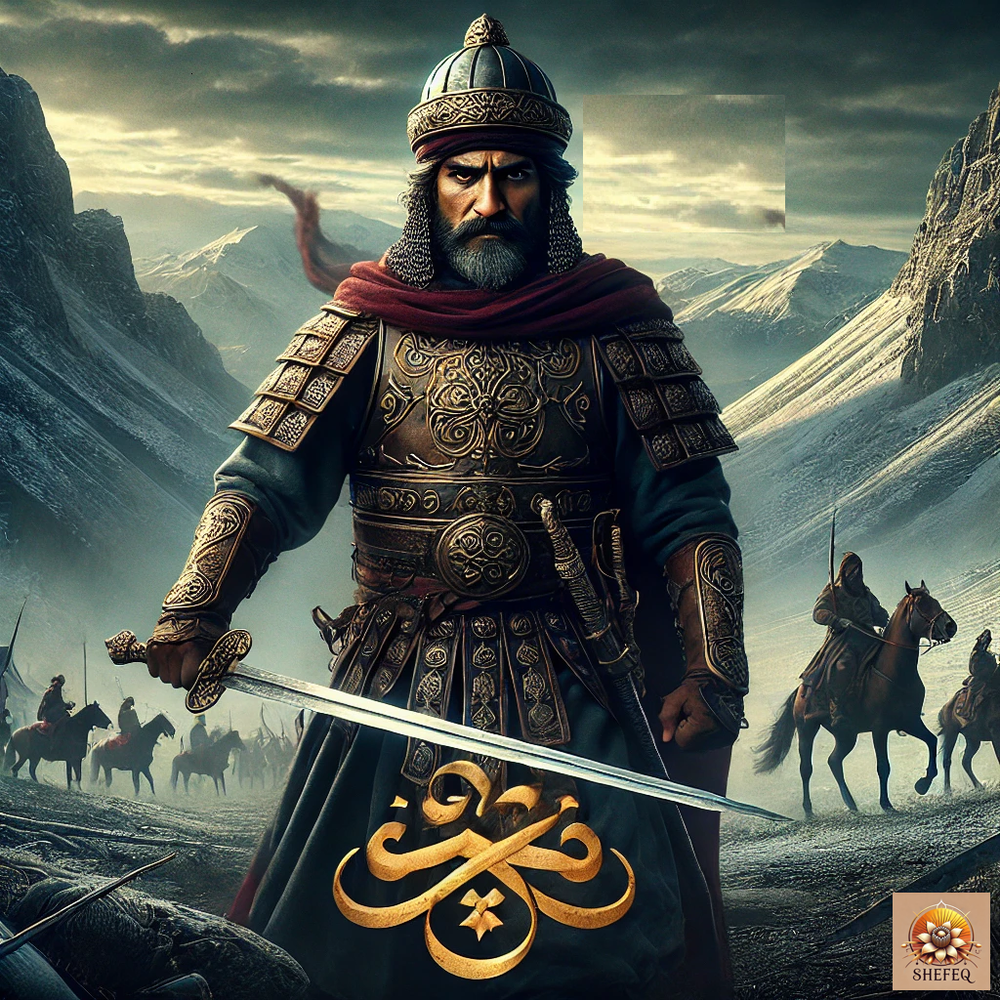
The main character, Ertugrul Gazi, is portrayed by Engin Altan Düzyatan, who presents him as a brave, intelligent, and strategically-minded leader. Other notable characters include his wife Halime Sultan and his loyal companions Turgut Alp, Bamsi Beyrek, and Dogan Alp. The strong performances by all actors successfully captivate viewers throughout the series.
Visual and Technical Quality
The series features highly detailed battle scenes, costumes, and set designs. Its realistic depiction of the historical setting, combined with expert cinematography and music, creates a unique atmosphere. Especially memorable is the soundtrack, composed by Gökhan Kırdar and Alpay Göltekin, whose rhythmic melodies enhance the emotional impact of fight scenes.
Global Popularity
Resurrection: Ertugrul has garnered a massive international audience, not only in Turkey but also in countries like Pakistan, India, throughout the Middle East, and across Western nations. Even former Pakistani Prime Minister Imran Khan publicly recommended the series. With availability on Netflix and other platforms, it has reached a broad global viewership.
Criticisms and Controversies
Despite its high production quality, the series has faced some criticism. The alteration of historical facts and idealization of the Ottoman period have been considered problematic by some historians. Additionally, the romanticization of certain events and perceived political messaging within the show have also sparked public debate.
Final Season and Conclusion
The fifth season focuses on the final years of Ertugrul’s life and sets the stage for the rise of Osman Gazi. The final episode concludes by symbolically pointing toward the foundation of the Ottoman Empire.
Review
Resurrection: Ertugrul is a high-quality television production that presents historical events in an epic and dramatic manner. The series engages the viewer both emotionally and intellectually, increasing public interest in historical narratives. Its main strengths lie in its deep storytelling, strong characters, and exceptional production values. Each episode is structured like a historical epic, drawing the audience into the past.
Nonetheless, the series has a few drawbacks. Certain dramatic developments are unnecessarily prolonged, and historical facts are occasionally distorted—issues raised by some viewers and historians. Even so, the series holds a unique position among historical dramas thanks to its overall quality and compelling epic storytelling.
Overall Evaluation
Resurrection: Ertugrul can be considered one of the most successful projects in the historical drama genre. Engin Altan Düzyatan’s performance, visual effects, battle choreography, and the music all contribute to making this series unforgettable. For those who enjoy history, adventure, and epic drama, this is a must-watch production.