
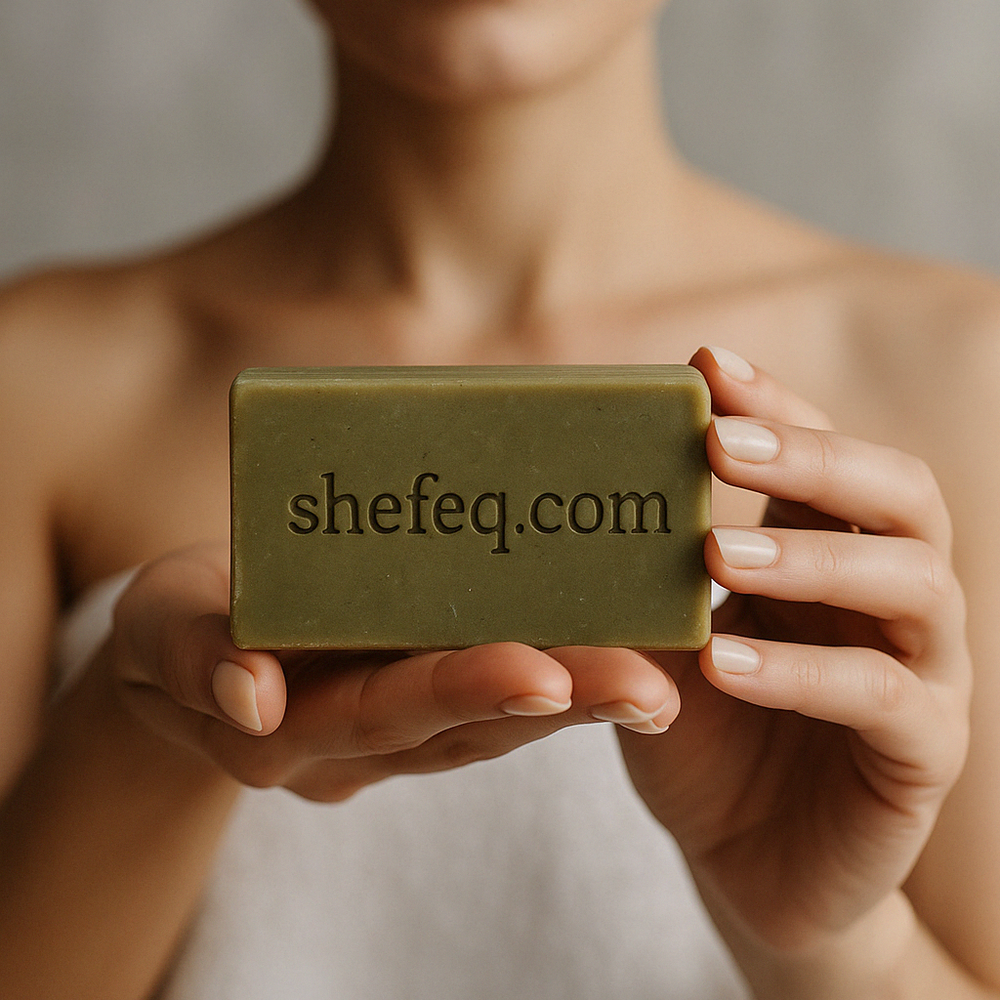
Introduction: What is beauty – cleanliness, simplicity, or harmony?
If we ask what the simplest beauty product is, the answer would be soap. However, since ancient times, soap has not only been a cleaning agent but also an inseparable part of beauty rituals.
In this article, we’ll explore the history of traditional soaps, their effects on the skin, types, and health-related benefits in detail.
1. The History of Soap: A miraculous blend of clay and fat
The origin of soap dates back thousands of years to the civilizations of Mesopotamia and Egypt. At that time, people mixed animal fat with wood ash to create the first forms of soap.
In the Ottoman Empire, this craft was called “Sabunculuk”, and soaps made from olive oil were used for beauty and health purposes.
2. Traditional vs. Commercial Soap – What’s the Difference?
| Feature | Traditional Soap | Commercial Soap |
|---|---|---|
| Ingredients | Natural oils and alkali | Synthetic fragrances and preservatives |
| Effect on Skin | Gentle and moisturizing | May dry or irritate the skin |
| Environmental | Biodegradable | Sometimes environmentally harmful |
| Suitability | Suitable for sensitive skin | High allergy risk |
Traditional soaps are both eco-friendly and more compatible with the skin’s pH balance.
3. Olive Oil Soap – The Secret Weapon of Eastern Beauty
One of the most popular and widely used traditional soaps is olive oil soap. This soap:
-
Nourishes the skin
-
Has anti-aging effects due to natural vitamin E
-
Accelerates the healing of surface wounds
-
Soothes acne and redness
In hammam rituals, foam massage with olive oil soap increases blood circulation and helps the skin breathe.
4. Yogurt and Clay-Based Soaps – A fusion of balance and purity
-
Yogurt soaps, thanks to their probiotic content, help maintain the skin’s microbiome balance
-
Clay-based soaps are perfect for oily skin — they cleanse pores and reduce oil production
When used together with face masks, these soaps deliver even more effective results.
5. Honey and Propolis Soaps – Antioxidant Power
Honey soaps:
-
Moisturize the skin
-
Have antibacterial properties
-
Help reduce acne
Propolis soaps are especially recommended for problematic and sensitive skin. They:
-
Renew the skin
-
Reduce redness
-
Fight inflammation
6. Deep Cleansing with Traditional Soap: Hammam & Home
In Turkish and Arab hammams, traditional soaps are used for:
-
Foamy massage
-
Moisturizing after deep cleansing
At home, using these soaps can provide:
-
A peeling effect
-
A weekly blackhead-removal mask
7. Choosing the Right Soap for Every Skin Type
| Skin Type | Recommended Soap Type |
|---|---|
| Dry Skin | Olive oil or avocado oil soap |
| Oily Skin | Clay, lemon, and mint soaps |
| Combination | Lavender and honey soap |
| Sensitive | Propolis, yogurt, aloe vera soap |
Choosing the right soap ensures effective cleansing without disrupting the skin’s balance.
8. Can Soap Moisturize the Skin?
Yes! Soaps made with natural oils:
-
Restore the skin’s hydrolipid layer
-
Reduce the need for extra moisturizers after washing
-
Contain glycerin, which helps the skin retain moisture
9. Washing Hair with Soap – Healing or Myth?
Some traditional soaps can also be used for hair, especially for:
-
Moisturizing dry ends
-
Preventing hair loss
-
Fighting dandruff
However, it’s essential to rinse hair with vinegar water afterward — this restores the hair’s pH balance.
10. Soap and Femininity – From Ritual to Symbol
Throughout history, traditional soaps have played a key role in women's:
-
Transitions, purification, and renewal
-
Family and personal care rituals
Today, soaps are not just for physical cleansing — they have become a symbol of self-care. Washing your hands or face with natural soap feels like cleansing the soul as well.
Conclusion: Beauty lies in simplicity
Traditional soaps represent beauty, cleanliness, and harmony with nature.
Times may change, but the power of what’s natural and simple remains.
Perhaps the path to beautiful skin begins with the quiet serenity of a hammam and a bar of olive oil soap…