
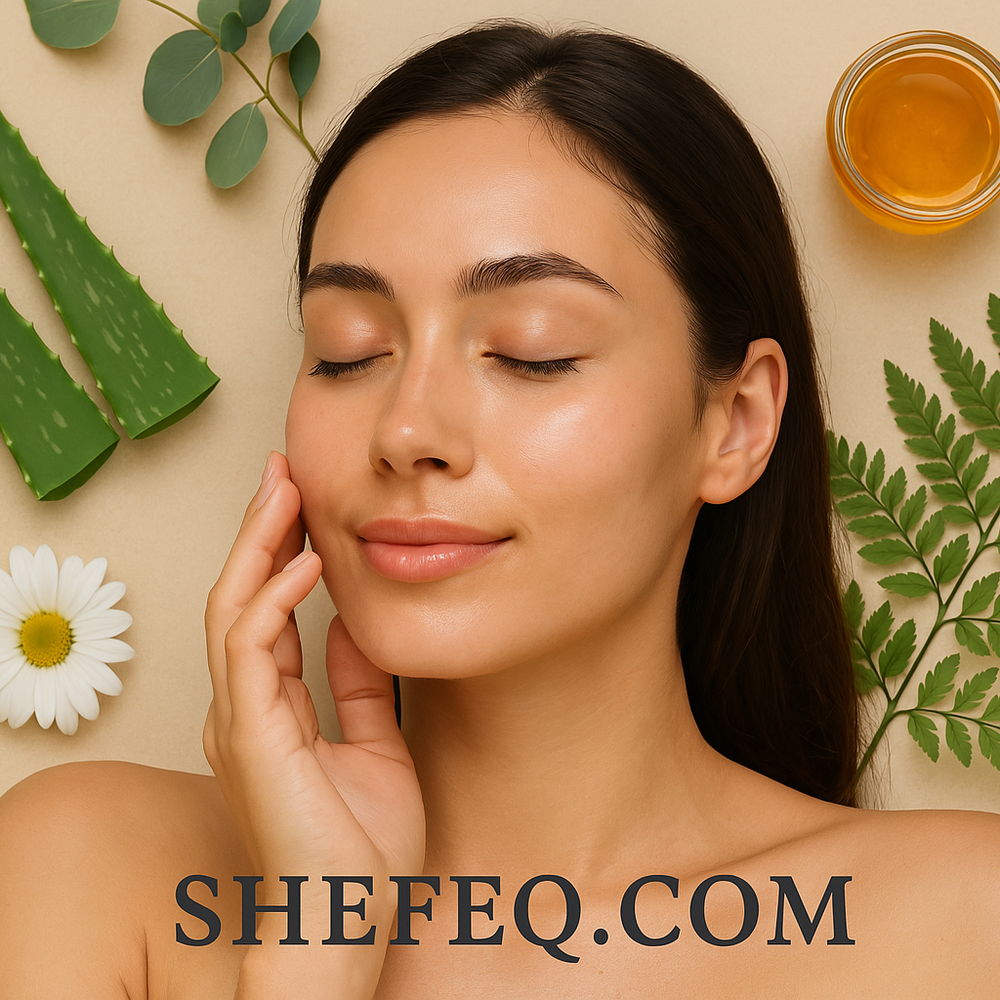
Introduction: The Natural Roots of Beauty
In modern times, the concept of beauty is often associated with expensive cosmetic products, aesthetic procedures, and advertisements. However, natural beauty is a concept that has been tested over generations, rooted in traditional knowledge, and harmonized with health. Especially when it comes to having radiant and healthy skin, chemical substances are not always necessary. In this article, we will explore ways to achieve glowing skin through natural methods, avoiding chemical products, from social, academic, public, and research perspectives.
1. Social Perspective: The Changing Standards of Beauty
Throughout history, beauty standards have been shaped by the social and cultural values of societies. At one time, pale skin was considered a symbol of aristocracy; at another, bronzed skin became a sign of a healthy lifestyle. In the 21st century, with the rise of social media, the notion of “filtered” beauty has become prominent. Natural skin imperfections are hidden, and a race toward the illusion of perfection begins.
This trend especially creates psychological pressure among young people. The false belief that beauty can only be achieved through chemical products not only harms health but also promotes rejection of the natural body. However, in recent years, the rise of movements like "self-care" and "natural beauty" has led people to turn back to nature and avoid synthetic substances.
2. Academic Perspective: Skin Structure and the Science Behind Natural Care
The skin is the body's largest organ and performs many functions: protective barrier, temperature regulation, sensory perception, and more. For the skin to appear healthy and radiant, the balanced function of the epidermis (outer layer), dermis (middle layer), and hypodermis (inner layer) is essential.
Chemical products, especially alcohol-based toners, artificial fragrances, and preservatives, can disrupt the skin’s microbiome and weaken its natural protective barrier. As a result, the skin ages faster, becomes drier, and more prone to acne.
On the contrary, natural remedies—such as rose water, honey, aloe vera, and coconut oil—help maintain the skin’s pH balance, are rich in antioxidants, and support cellular regeneration. For example:
-
Aloe vera – anti-inflammatory, moisturizing, and collagen-stimulating.
-
Honey – antibacterial and moisturizing.
-
Oats – soothing and exfoliating.
-
Green tea – rich in antioxidants and rejuvenating for the skin.
3. Cultural Perspective: Natural Beauty Routines Across Cultures
In different cultures, the understanding of natural beauty and care methods have been passed down through generations. For example:
-
In Japan, washing the face with rice water is considered the secret to silky, radiant skin.
-
In India, “ubtan” – a natural scrub made of turmeric, chickpea flour, milk, and honey – is used in bridal skincare routines.
-
In Africa, women have used shea butter for years to moisturize the skin and reduce wrinkles.
These practices show that natural beauty is not just about material products but also a cultural ritual and a value system.
4. Research-Oriented Perspective: What Scientists Say
Many scientific studies have shown that the effectiveness of natural remedies in some cases surpasses that of synthetic creams.
-
A 2019 study revealed that honey was more effective than some antibiotics against acne-causing bacteria.
-
A 2021 study in Korea found that green tea extract reduced wrinkle depth and increased collagen production when applied to the skin.
-
Studies on aloe vera show that regular use can reduce burn marks and acne scars.
Using natural products not only reduces the chemical load on the skin but also minimizes ecological impact, benefiting both personal health and the planet.
5. Practical Tips: Daily Routine for Natural Glow
Morning Routine:
-
Wash your face with lukewarm water and use rose water as a toner.
-
Apply 1 teaspoon of aloe vera gel and leave for 10 minutes.
-
Use a natural SPF cream with physical filters (e.g., zinc oxide-based).
Evening Routine:
-
Remove makeup using plant-based oils (e.g., jojoba oil).
-
A honey and lemon mask twice a week adds radiance (note: lemon increases photosensitivity—use only at night).
-
Before bed, massage with shea butter or almond oil to moisturize and improve elasticity.
Weekly Rituals:
-
Exfoliate with a scrub made of oat flour + milk + honey.
-
Use a mask made of cucumber and mint to soothe the skin.
6. Inner Beauty: The Role of Nutrition and Lifestyle
Radiant skin must be nourished not only from the outside but also from within. Proper nutrition is an inseparable part of natural skincare.
Foods that boost glow:
-
Vitamin C (oranges, kiwi, red peppers) – supports collagen production.
-
Omega-3 fatty acids (fish, chia seeds) – reduce skin inflammation.
-
Water – essential for hydration (drink at least 6–8 glasses daily).
To avoid:
-
Excessive sugar and processed foods – accelerate aging.
-
Coffee and alcohol – can cause dryness.
-
Stress – increases cortisol levels and may trigger acne.
In addition, regular exercise, quality sleep, and stress management are key to maintaining a natural glow.
7. Ecological and Ethical View: The Planet-Friendly Impact of Natural Beauty
The cosmetic industry is one of the largest contributors to plastic waste globally. Microplastic particles from shampoos, scrubs, and creams enter oceans and harm the environment.
Using natural alternatives helps reduce waste and allows the choice of cruelty-free products not tested on animals. With “zero waste” and “cruelty-free” approaches, it is possible to protect both our beauty and the planet.
Conclusion: Beauty, Health, and Nature Are One Whole
It is possible to achieve radiant skin without chemical products—and this is not just a matter of skincare but a way of life, a mindset, and a relationship with nature. We must strive to socially accept natural beauty, approach skin health with scientific understanding, and be responsible from both a research and ecological standpoint.
Every woman and man is beautiful in their natural state. Nature has given us everything we need—we just need to recognize it and use it wisely.