
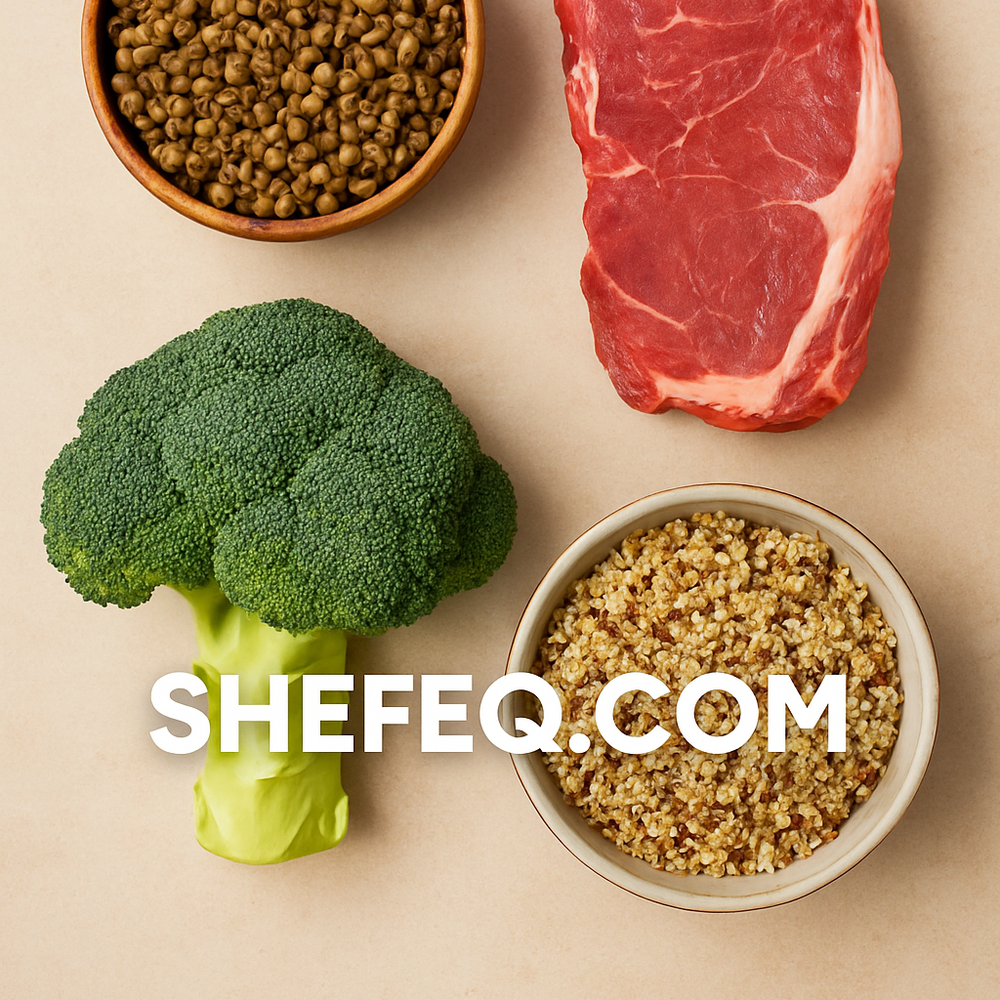
INTRODUCTION: The Changing Food Paradigm
The world is changing rapidly. Due to climate change, population growth, resource depletion, and health concerns, people are beginning to reconsider their traditional dietary habits. As the ecological and economic burden of meat production increases, a plant-based lifestyle is no longer viewed as a mere alternative — it is emerging as an inevitable solution for humanity. This article explores the global decline in meat production and examines why plant-based nutrition is becoming the main path forward.
1. Main Reasons for the Decline in Meat Production
1.1. Resource Scarcity and Environmental Burden
Meat production requires vast amounts of water, land, and energy. For example, it takes approximately 15,000 liters of water to produce 1 kg of beef. Alongside increasing water scarcity in many regions, this puts the sustainability of meat production at risk.
1.2. Impact on Climate Change
The livestock sector, especially cattle, is a major source of methane emissions — one of the primary contributors to global warming. According to the FAO, this sector accounts for about 14–15% of global greenhouse gas emissions.
1.3. Soil Erosion and Deforestation
To produce meat, forests (particularly in the Amazon) are cleared, and land is overused, causing serious damage to ecosystems and biodiversity.
2. The Rise of the Plant-Based Lifestyle
2.1. Abundance and Innovation in Plant-Based Products
Today, the market offers plant-based alternatives to traditional meat and dairy products — including burgers, cutlets, sausages, and cheeses. These products are continuously improving in flavor and texture, appealing to a growing number of consumers.
2.2. Lab-Grown Meat
What once seemed like science fiction is now reality: cultured meat is becoming a viable option. Lab-grown meat presents an ethical and environmentally friendly alternative, addressing both ecological impact and animal welfare.
2.3. Health Benefits
Scientific studies show that plant-based diets can help prevent cardiovascular diseases, obesity, type 2 diabetes, and certain types of cancer. As a result, medical experts are increasingly recommending plant-based nutrition.
3. Social and Cultural Shifts
3.1. Rise of Vegan Activism
Documentaries, vegan bloggers, and activists on social media are raising awareness. Films like Earthlings and The Game Changers have inspired thousands to adopt new lifestyles.
3.2. Value Systems of New Generations
Generation Z, in particular, prioritizes ecological responsibility, ethical sourcing, and transparent production chains. Many of them follow either a vegan or flexitarian (primarily plant-based with occasional meat) diet.
4. Opposing Forces and Current Realities
4.1. Powerful Meat Industry Lobbies
Meat production is a multi-billion-dollar industry. Companies and their lobbyists run extensive advertising and marketing campaigns to resist change and preserve their market share.
4.2. Psychological Power of Traditional Cuisine
In many cultures, meat holds traditional and symbolic significance. For this reason, transitioning to a plant-based lifestyle can be more difficult in certain societies.
5. Looking Ahead: Hybrid and Flexible Food Models
5.1. The Flexitarian Approach
While not fully vegan, flexitarianism — which limits meat consumption — is one of the fastest-growing dietary trends globally. It offers a balanced approach in terms of ecology, health, and social acceptability.
5.2. Urban Agriculture and Vertical Farming
Cities are embracing hydroponic, aeroponic, and vertical farming technologies to grow local, sustainable plant-based foods. This supports access to fresh, low-carbon, and locally sourced produce.
5.3. Genetic Innovations and Sustainability
Researchers are focusing on high-protein, non-GMO plant varieties. In the future, these may significantly reduce the global demand for meat.
Conclusion: Change Is a Necessity for Today — Not Just Tomorrow
Meat production is not just a matter of choice — it has serious implications for climate, health, and ethics. A plant-based lifestyle provides a systematic, sustainable, and future-focused response to each of these challenges. This is not merely a passing trend — it is a necessary transition for the survival of our planet.
Share Your Opinion:
Do you believe people will adopt this change voluntarily, or will it become an unavoidable necessity?
Let us know your thoughts in the comments!