Introduction
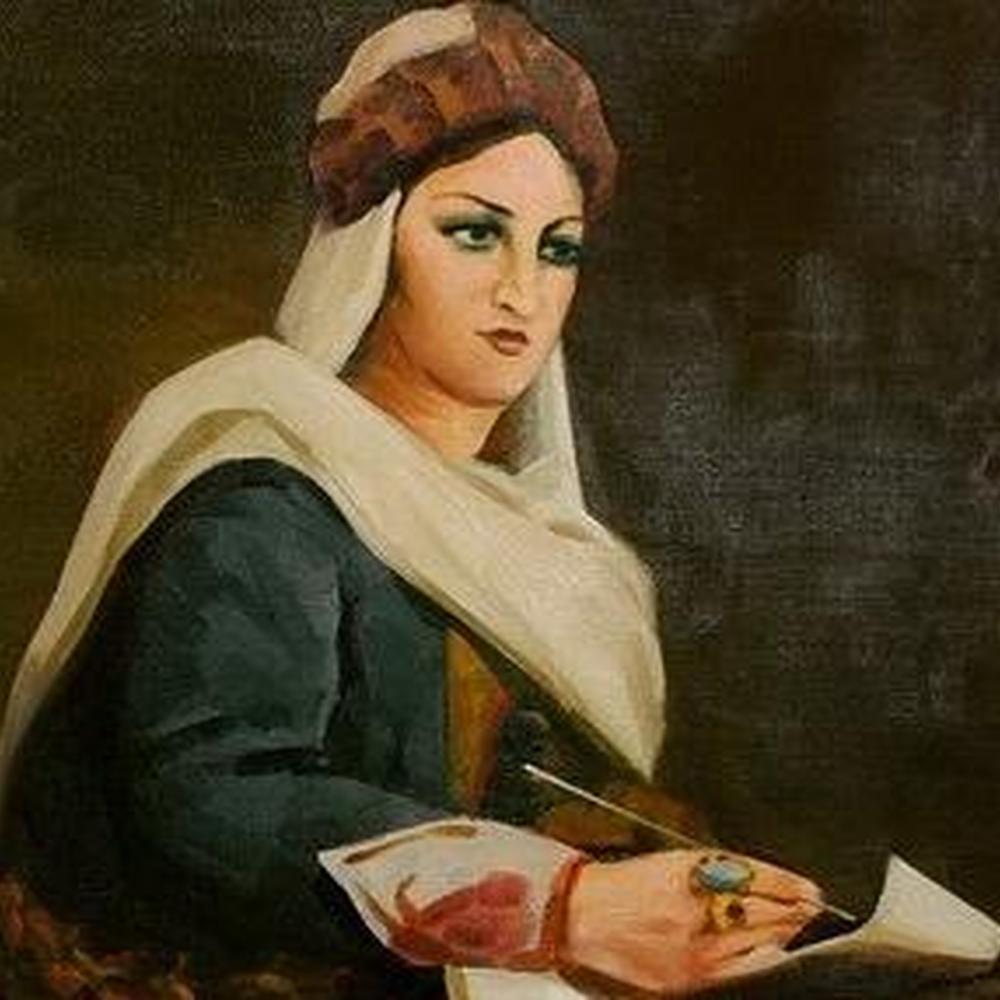
Mahsati Ganjavi is one of the shining figures of the 12th century and one of the first female poets in Azerbaijani literature, renowned as a master of classical rubai (quatrains). She not only expressed delicate and poetic emotions but also courageously addressed important social issues, particularly women's rights and freedom of thought.
Life and Works
Mahsati Ganjavi was born in 1089 in the ancient cultural cradle of Azerbaijan — the city of Ganja. Although historical records about her life are scarce, it is believed that she was raised in the royal court and had close relations with the prominent scholars and philosophers of her time. She was known not only for her beauty and poetic talent but also for her profound knowledge and wisdom.
Rubai (quatrains) hold a special place in Mahsati Ganjavi's literary heritage. Her verses explore themes such as love, beauty, freedom, and wisdom. Unlike the traditions of her era, she defended women's rights and presented human love as a union with divine meaning.
Women and Freedom in Mahsati Ganjavi’s Poetry
Her poetry clearly reflects ideas about women's freedom and society's perception of women. At a time when women’s roles in public life were limited, Mahsati created the image of a free and independent woman in her quatrains. She portrayed love not only as a romantic feeling but also as a symbol of spiritual elevation and liberty.
Conclusion
Mahsati Ganjavi is not only a treasure of Azerbaijani literature but also one of the precious gems of Eastern poetry. Her works remain relevant today, offering readers profound reflections on freedom, love, and beauty. Through her poetry, Mahsati proved that a woman can be more than a muse of love — she can be a great thinker and a free-spirited individual.