
INTRODUCTION: The Whisper of a Leaf
Nature speaks quietly. It doesn't shout or make noise. It gently touches our soul — in the gust of wind, in the song of birds, in the trembling of a leaf. Perhaps a woman is like nature: she seems calm, but storms rage within her. Her feelings, thoughts, posture — all are alive and meaningful, like the root, branch, and leaf of a tree. Leaves are beautiful too — because they know how to wither and be reborn. So is a woman: even when she falls, she knows how to take root again.
This article tells how nature becomes a mirror of a woman's soul, how we hear her inner voice in the green language of leaves, and how women inspired by nature build their philosophy of life. Let’s walk together under the shade of trees and feel feminine gentleness in the wind caressing our hair.
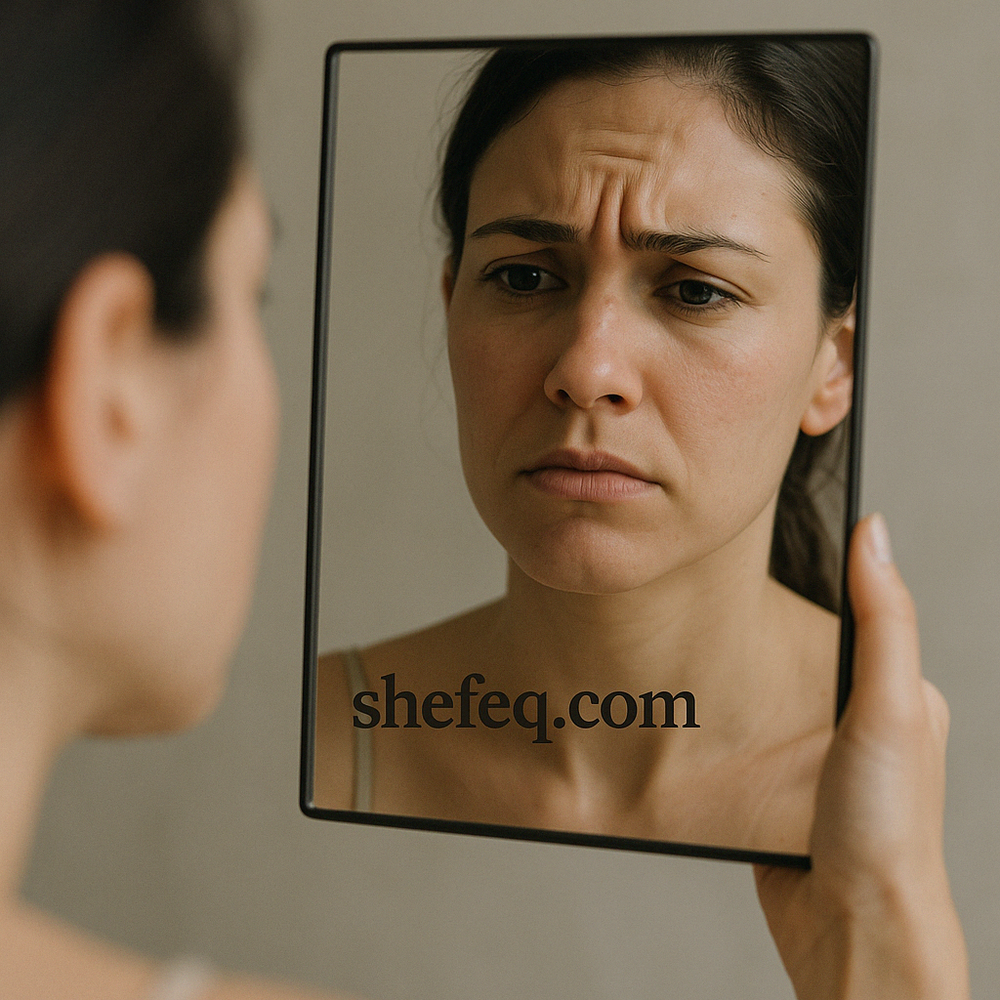
I. Introduction: What is beauty and who is it for? Beauty is a concept praised for centuries, but never fully explained. For some, it is divine harmony; for others, a tool to gain recognition in society's eyes. Today, in the era of filtered realities, aesthetic culture, and digital validation, the question becomes even deeper:
Is beauty an expression of the soul or a mask of social expectations?
In this article, we’ll explore the origins of beauty, its connection with spiritual and religious values, and society’s influence on this concept.
II. The Divine View: Beauty as Part of Creation Islam, Christianity, and many other religions regard beauty as a manifestation of the harmony created by God. The Quran says:
"Allah is beautiful and loves beauty." (Muslim)
A. Beauty is in our nature: Every person is born with inner and outer beauty.
Body, face, skin color, and shape — all are God's artwork.
B. To see and preserve beauty: Enjoying beauty can be a spiritual sensation, almost like worship.
But it is important that beauty touches not only the eyes, but also the heart.
C. Beauty is meaningful when it is humble: If a woman or a man shows off their beauty with arrogance, it distorts the spirit of the divine gift.
III. Society’s View: When Beauty Becomes a Requirement Modern society has turned beauty from a value into a standard. Being “beautiful” has become an obligation, a status indicator.
A. Media and advertising dictates: The concept of beauty is now shaped by corporations.
Same faces: thin nose, full lips, smooth skin…
B. The hunger for likes on social media: Self-esteem is now measured by likes
Selfies, filters, surgeries — a race for validation
C. Gender differences: Women face more aesthetic pressure
Beauty is often seen as a woman's value
Society says: “Be beautiful, or be invisible.”
IV. Psychological Effects: Is Beauty Freedom or Slavery? A. Self-denial and body dissatisfaction: Even after plastic surgery, people may remain unhappy
The feeling of “I’m not beautiful enough”
B. Loss of personal identity: Trying to look like someone else
Devaluing your own uniqueness
C. Pressure from childhood: “You’re too chubby,” “Straighten your hair,” “Make your waist slimmer”…
Beauty should be nurtured with love, not criticism
V. Spiritual Approach: Beauty Begins Within Religious and philosophical perspectives always emphasize: true beauty lies not outside, but within. Inner light, morality, kindness, speech style, a praying soul — these are timeless manifestations of beauty.
A. Good behavior is more important than good looks: You get used to a pretty face in five minutes, but a good character stays in memory
B. A person’s intention is the mirror of their beauty: Living with a good purpose, benefiting others
C. When beauty and love come together, perfection is born: Imam Ali (a): “The most beautiful person is the one whose beauty is felt by the heart.”
VI. What Should We Do? A. Redefine beauty: Every individual can be beautiful — through their uniqueness
Beauty should not be measured by numbers or shapes
B. Resist social pressure: Before making any change, ask yourself: “Do I want this, or does someone else?”
C. Show the right model to youth and children: Teach them to love themselves, be kind, and value human essence
D. Think ethically in aesthetic choices: Treat the body given by God with respect
If you want to change, let the reason come from within, not from outside
VII. Conclusion: Beauty Is a Gift, Not a Pressure When beauty comes from God — it is light. When it comes from society's pressure — it is a burden.
The beauty of every person is a trace, a meaning, a testimony of creation. But when this beauty becomes a social mask — the soul is lost.
To be beautiful means to be at peace with your conscience, not just in the eyes of others.
shefeq.com says: Beauty is not in the mirror, but in actions, intentions, and the silent radiance of the soul.