The Concept of Beauty in the Culture of Ancient Turks and Azerbaijanis
Beauty, despite its changing perception across time and space, has always reflected the cultural, worldview, and spiritual characteristics of a people. Ancient Turks and Azerbaijanis perceived beauty not only as external attractiveness but also as an expression of inner richness and harmony. In this article, we will thoroughly examine the notions of beauty associated with beliefs, rituals, symbols, and the lifestyle of Turkic and Azerbaijani women, starting from ancient times.
-
Beauty and Connection to the Divine: Aesthetics Born from Within In the views of the ancient Turks, beauty was closely tied to the purity of the soul and closeness to God. The human body was considered a gift from Tengri and had to be cared for with respect.
-
Inner intentions and honesty were valued above external appearance;
-
Beauty was associated with purity, naturalness, and harmony;
-
A beautiful woman was not only about looks, but also intellect, wisdom, modesty, and devotion to family.
-
Symbols of Female Beauty In Turkic and Azerbaijani cultures, female beauty was expressed through symbols, images, and mythology:
-
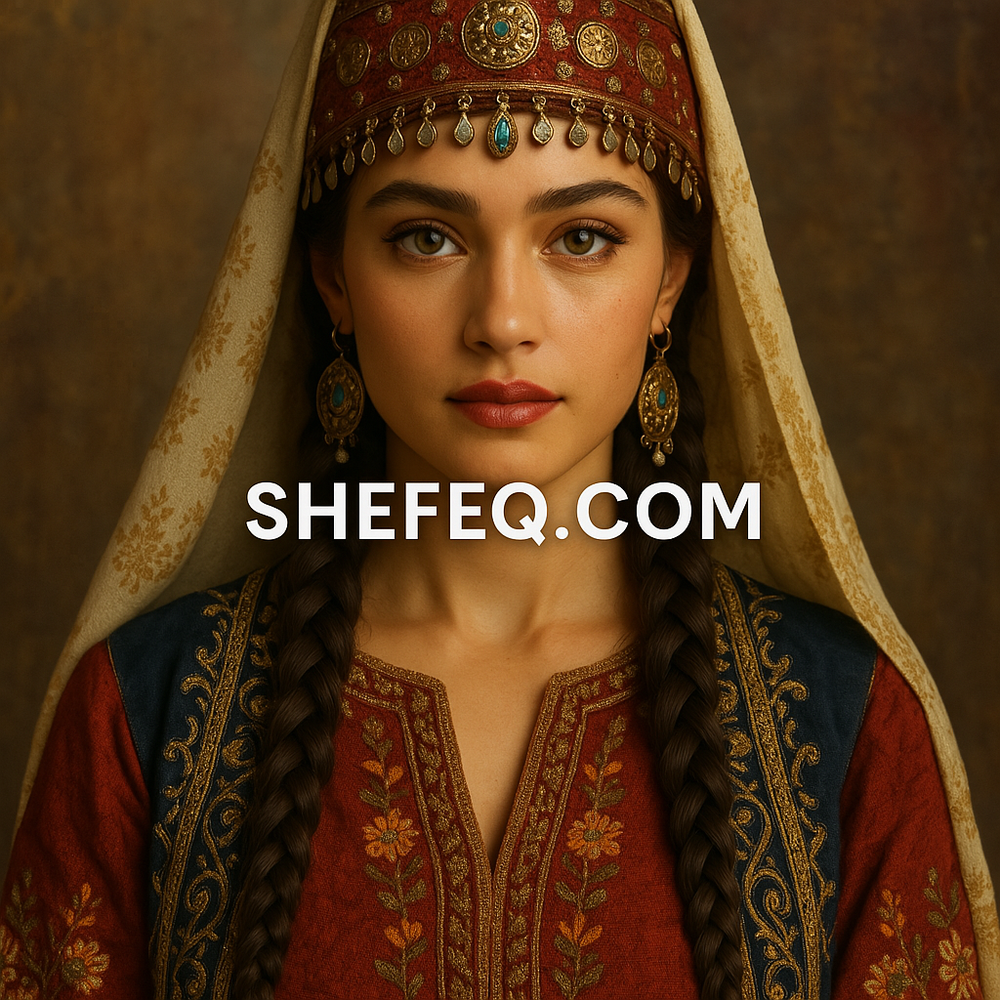
Hair – a symbol of femininity, strength, and fertility. Long and well-kept braids were a sign of beauty;
-
Eyebrows and eyes – thick, dark brows and almond-shaped eyes were considered attractive features;
-
Hands and fingers – long, slender fingers and henna-dyed hands were part of the aesthetic ideal;
-
Skin tone – clear and glowing skin was associated with beauty.
-
Beauty and Health: Body Care Through Plants The concept of beauty among Turks was closely linked to a natural lifestyle and health. Women used natural products for body and hair care:
-
Olive oil, amber oil, juniper – for softening and glowing skin;
-
Yogurt and clay – used as facial masks;
-
Henna – used not only to dye hair but also hands and feet, for aesthetic and purifying purposes;
-
Fragrant herbs (basil, mint, rose) were used in bath rituals and body care.
-
Hair and Clothing: Expressions of Femininity Hair braiding styles, head coverings, and clothing conveyed social and aesthetic messages:
-
Girls’ hair was braided into two or three plaits – symbols of purity and order;
-
Kelaghayi and scarves expressed a woman's status and were an important part of the culture;
-
Belts and charms adorned the body and served as protective amulets;
-
Embroidery on clothing held symbolic meaning (fertility, protection, love, etc.).
-
Culture of Cleanliness and Bathing Traditions Beauty and cleanliness were inseparable. Bathing traditions held a significant place in the lives of Turks and Azerbaijanis:
-
Women regularly visited baths, especially before important events;
-
Clay baths, aromatic waters, and soap plants were used for hygiene;
-
Baths served as places for relaxation and female communication;
-
After bathing, hair was nourished with oils and herbal infusions.
-
Spiritual Beauty and Divine Purity Beauty among Turks and Azerbaijanis was not only external but also spiritual:
-
Intentions, speech, and behavior were considered the foundation of beauty;
-
Modest speech, respectful behavior, care for family and guests were valued more than appearance;
-
It was believed that heroes and deities bestowed beauty on those with pure intentions.
-
Traditional Beauty Rituals Beauty rituals accompanied important life events:
-
Henna before the wedding – a symbol of beauty and protection;
-
Mother's braiding of hair – a ritual of passing on femininity and beauty;
-
Prayer in front of the mirror – a desire for internal and external harmony;
-
Bridal makeup and attire – the culmination of female beauty.
-
Faith and Rituals Related to Beauty Beauty was seen as a gift to be protected:
-
Amulets and beads protected against the evil eye, especially for beautiful women and children;
-
Salt and rosewater rituals – for cleansing from negative energy;
-
Prayers and good intentions – as protection against harm.
-
Beauty Secrets Passed Down Through Generations Mothers taught their daughters not only rituals but also the philosophy of beauty:
-
Proverbs: "Beautiful skin is the mirror of the heart";
-
Principle: "Be beautiful, but speak with your eyes";
-
Beauty is not only appearance, but also behavior, attitude, and speech.
-
The Legacy of Beauty Today Modern Azerbaijani perceptions of beauty are nourished by ancient roots:
-
The use of henna, clay, and natural oils continues;
-
Wedding and ceremonial traditions repeat ancient rituals;
-
Kelaghayi, amulets, and national costumes remain symbols of ethnic beauty.
Conclusion For the ancient Turks and Azerbaijanis, beauty was not just a physical quality but a state of soul, behavior, thought, and family values. Purity, naturalness, harmony, love, and respect formed its foundation. This understanding of beauty continues to live on in modern culture, serving as a bridge between generations. Female beauty is a reflection of a tender soul, a life philosophy, and national identity.