
Introduction
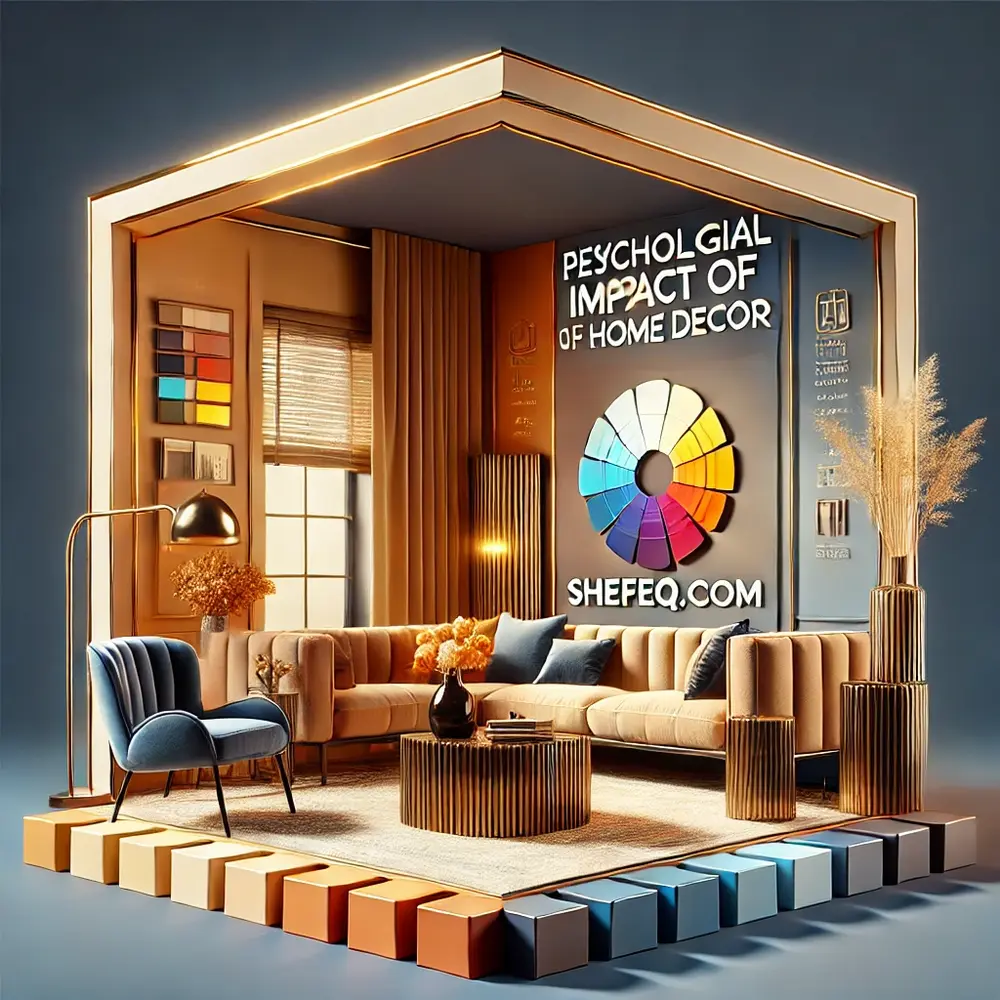
When planning your home decor, it would be interesting to consider what your walls would say to you. Every color has a psychological impact, and this effect can shape the atmosphere of your home. Colors are not just about aesthetics—they directly influence the mood, behavior, and comfort of those living within the space.
In this article, we will explore the hidden meanings and effects of colors in interior design, color combination techniques, and the most suitable color tones for each space.
1. The Psychology of Colors: How Do They Affect Our Emotions?
Each color has its unique psychological effect. Let’s explore how commonly used colors influence our feelings:
-
White – Represents purity, minimalism, and cleanliness. Helps make small spaces look larger.
-
Blue – Has a calming and soothing effect. Ideal for bedrooms and home offices.
-
Green – Brings the feeling of nature and freshness indoors. Reduces eye strain and suits relaxation areas.
-
Red – Symbolizes energy, warmth, and passion. Can be used in dining rooms to increase appetite.
-
Yellow – A sunny, positive, and motivational color. However, excessive use can cause anxiety.
-
Neutral tones (beige, pastels) – Ideal for creating a calm and balanced environment.
2. Choosing the Right Colors for Each Room
-
Living Room – Neutral and pastel tones like beige are perfect for creating a warm and cozy environment.
-
Bedroom – Soft shades like blue, lavender, and pastels help relax and promote restful sleep.
-
Kitchen – Yellow and red tones can stimulate appetite; green and white offer a clean, organized look.
-
Children’s Room – Pastel colors promote tranquility, creativity, and a sense of security.
3. Color Combinations: Highlighting Every Style
To achieve harmony in interior color schemes, consider using these principles:
-
Monochromatic – Use different tones of the same color for depth and unity.
-
Complementary – Combine opposite colors on the color wheel for bold contrast.
-
Analogous – Use neighboring colors to create a smooth, harmonious flow.
4. Seasonal Color Changes: Refreshing Your Home's Energy
To renew the energy in your home, try seasonal updates:
-
Summer – Vibrant and bright tones.
-
Autumn – Earthy shades and warm orange hues.
-
Winter – Neutral and cool colors.
-
Spring – Pastel tones and greens inspired by nature.
Conclusion
If your walls could talk, they would encourage you to think more deeply about the magic of color. Choosing the right colors in home decor is essential for comfort, harmony, and functionality. A well-chosen color palette can make your home feel more aesthetically pleasing and emotionally balanced.
Your walls are more than just boundaries—they are the canvas of your lifestyle.