
S – Social Perspective: The Body Speaks, We Stay Silent
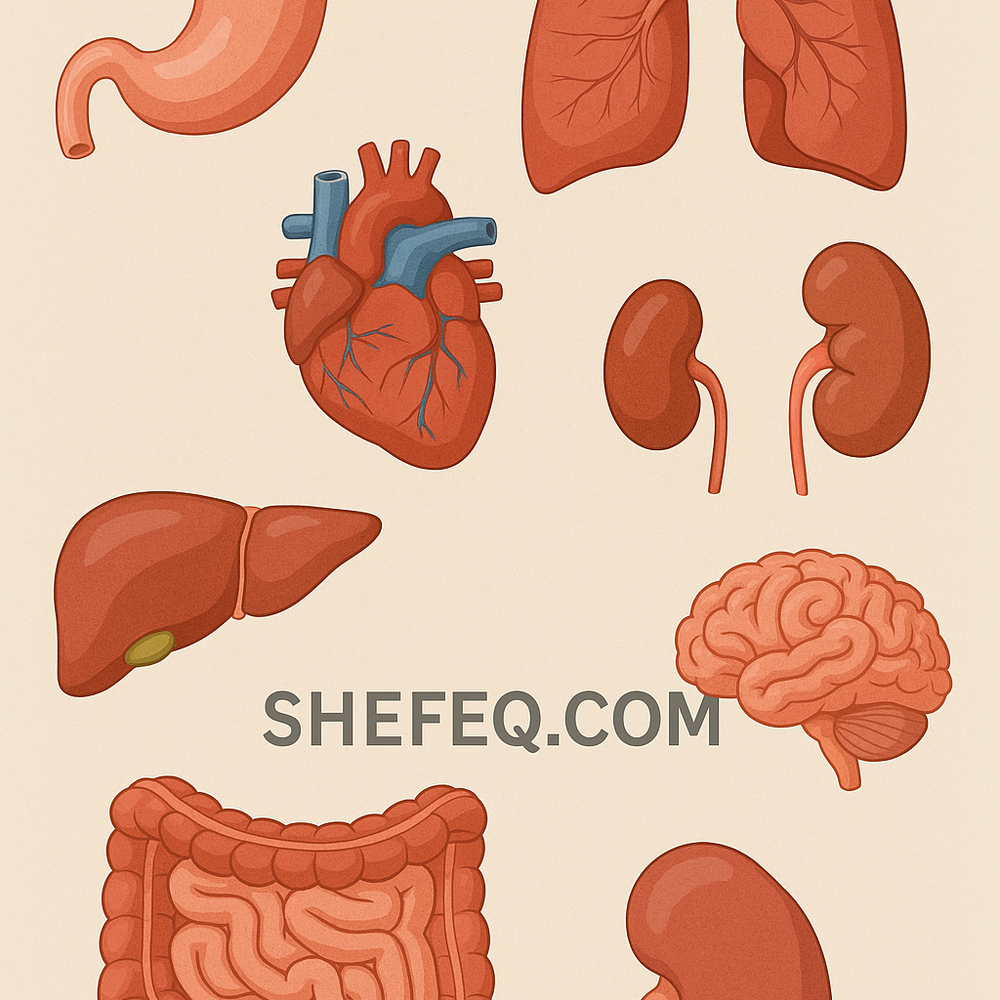
The human body sends us silent messages every day. Yet sometimes we don't understand them, and often we ignore them. Imagine if our organs could speak… what would they tell us?
Liver: “Stop drowning me in toxins. I'm trying to cleanse your life.”
Heart: “I beat every day, but living without love is also hard.”
Stomach: “You live in stress—I’m trying to digest it.”
Our social environment makes us forget about our bodies. The pace of life, stress, societal pressure, fast-food culture, and emotional burdens drown out our body’s voice. However, that voice never fully disappears—it speaks through pain, fatigue, and sometimes silence.
While people focus on society’s problems, they forget to lead their own body's community. If each organ were a person, our body would be a city—perhaps congested, perhaps in crisis...
A – Academic Perspective: The Psychological Language of Organs and Biological Responses
Recent research in psychosomatic medicine has uncovered intriguing findings: emotional states and psychological stress directly affect organ function.
-
Gut microbiome: Studies show that the gut communicates with the brain via neural pathways; thus, individuals with depression often experience more digestive issues.
-
Liver: Often considered the seat of anger and unexpressed emotions. Liver stress reflects inner tensions, even unconsciously.
-
Heart: Emotional trauma can cause scientifically recognized “broken-heart syndrome” (Takotsubo).
-
Stomach and duodenum: The phrase "keeping pain inside" holds true; stress hormones increase stomach acidity.
These examples show that our body is not just a physiological system; it carries our emotional history. Even silent, our organs respond, react, and protest.
I – Societal Perspective: Gaps in Our Approach to Health
In many societies, health awareness only kicks in when disease occurs. Preventive care, psychological support, proper nutrition, and physical activity often take a back seat. If our organs could speak, would society listen?
-
Lack of education: People often don’t know their organs’ functions, signals, or risks.
-
Stigma exists: Mental health issues aren’t always taken seriously, despite being the root of many physical ailments.
-
Social pressure and exhaustion: Work overload, financial stress, and social expectations reduce our ability to listen to our bodies.
Neglecting our bodies is not just an individual issue—it burdens society. When our organs speak in their own language, we remain silent. Why? Because we never learned how to listen.
T – Research Perspective: The Future of “Speaking” Organs
Today, we already have technologies that translate bodily signals into data:
-
Smartwatches: Measure heart rate, stress, sleep phases, and oxygen levels.
-
Microbiome tests: Provide insight into gut health.
-
Genetic analyses: Predict health risks in advance.
-
Non-invasive brain scanners: Begin to read emotional states.
As these devices evolve, our organs may speak directly. This raises important questions:
-
Who owns this data?
-
Are we ready to share our bodily information with technology?
-
If organs decide to stay silent, will we make the effort to listen?
Perhaps in future, doctors will serve as translators—converting organs’ voices into human language.
Conclusion: The Body Speaks in Silence—We Smother Its Voice
Every day, your body writes a novel—within its vessels, cells, and organs. Rarely do we read it. But every pain, every tremor, each instance of fatigue is a sentence. If we learn to read these sentences, it becomes possible to heal without falling sick.
Remember:
-
Until you cherish your liver, it grows weary of cleansing.
-
Without love, your heart's beat becomes mechanical.
-
If you ignore your gut, the body’s second brain falls silent.
If our organs could speak… perhaps they authored this article themselves.