
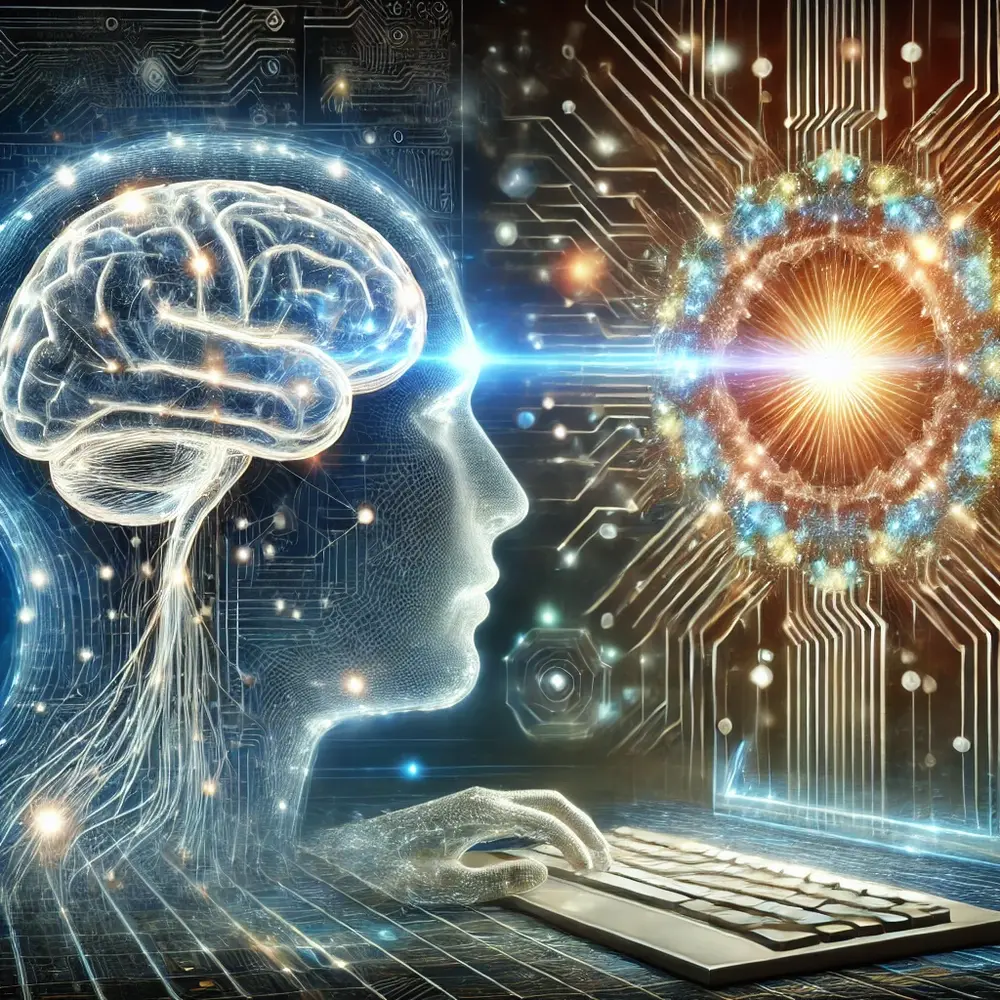
The integration of the human brain with computers is one of the most fascinating and revolutionary technological advancements of the future. This concept, pioneered by Elon Musk’s Neuralink project, is set to bring profound changes both in the technological world and in the social structures of society. How will brain-computer interfaces (BCI) transform human life by 2050, and what new possibilities will they create?
-
Neuralink and Brain-Computer Integration
Elon Musk’s Neuralink company is developing technology that enables direct communication between the brain and computers. These interfaces read electrical signals from the brain and transmit them to computers or other devices. The primary goal is to restore bodily functions for people with physical disabilities and to connect brains with robots to make humans more independent. This technology is expected to evolve further and find wide-ranging applications. -
Health and Rehabilitation
Brain-computer interfaces offer significant advances and new possibilities in healthcare. For example, Paralympic athletes and people undergoing rehabilitation after severe illnesses will be able to control artificial limbs using brain signals. Neuralink is conducting serious research aimed at repairing brain damage and providing individuals with a freer life. Controlling robotic arms or artificial muscles is already possible, and this technology can eliminate physical limitations. -
Intelligence Enhancement and Human-Machine Hybrids
The fusion of brains and computers will not only address physical challenges but also enhance human intellectual capabilities. Neuralink and similar projects strive to combine the power of the human brain with artificial intelligence, enabling faster and more efficient learning, decision-making, and data analysis. Direct brain-computer connections will allow people to receive and process information much more rapidly, boosting creative and analytical potential. -
Virtual and Augmented Reality
Brain-computer integration will also further develop virtual reality (VR) and augmented reality (AR) technologies. Reading the brain’s natural reactions and signals can make VR and AR experiences more immersive and natural. People will be able to feel themselves in entirely different environments or live as completely new identities in virtual worlds. Such technologies will revolutionize education, the workplace, and entertainment. -
Ethical and Social Issues
The future of brain-computer integration raises numerous ethical and social concerns. Implanting devices into the human brain raises serious questions about individual freedoms and rights. Issues related to the use of brain data, privacy, and the emergence of new social stratifications will be widely debated. How will the relationship between humans and artificial intelligence be structured, and how will human consciousness and individuality be affected? -
Future Work and Education
Brain-computer integration will also cause significant changes in the future workforce. People will be able to make faster decisions, access large databases, and perform more complex tasks. Remote work and flexible work models will become more advanced. Education will become more interactive and immersive through online platforms, VR, AR, and the direct uploading of knowledge into the brain. -
Artificial Intelligence and Human-Machine Collaboration
Elon Musk emphasizes that artificial intelligence integration with humans will continue to develop. This connection can speed up decision-making processes and create new forms of collaboration between humans and AI. People will be able to intuitively access AI systems directly with their brains.
Conclusion
By 2050, brain-computer integration technology will fundamentally change human life. The Neuralink project has laid the foundation for a new era that will restore health, expand intellectual capabilities, and transform social relationships. However, this technology will also bring important ethical, legal, and social challenges. The integration of humans and computers will open new horizons not only in the physical realm but also in the intellectual and emotional world, marking the beginning of a period filled with challenges and unprecedented opportunities.