
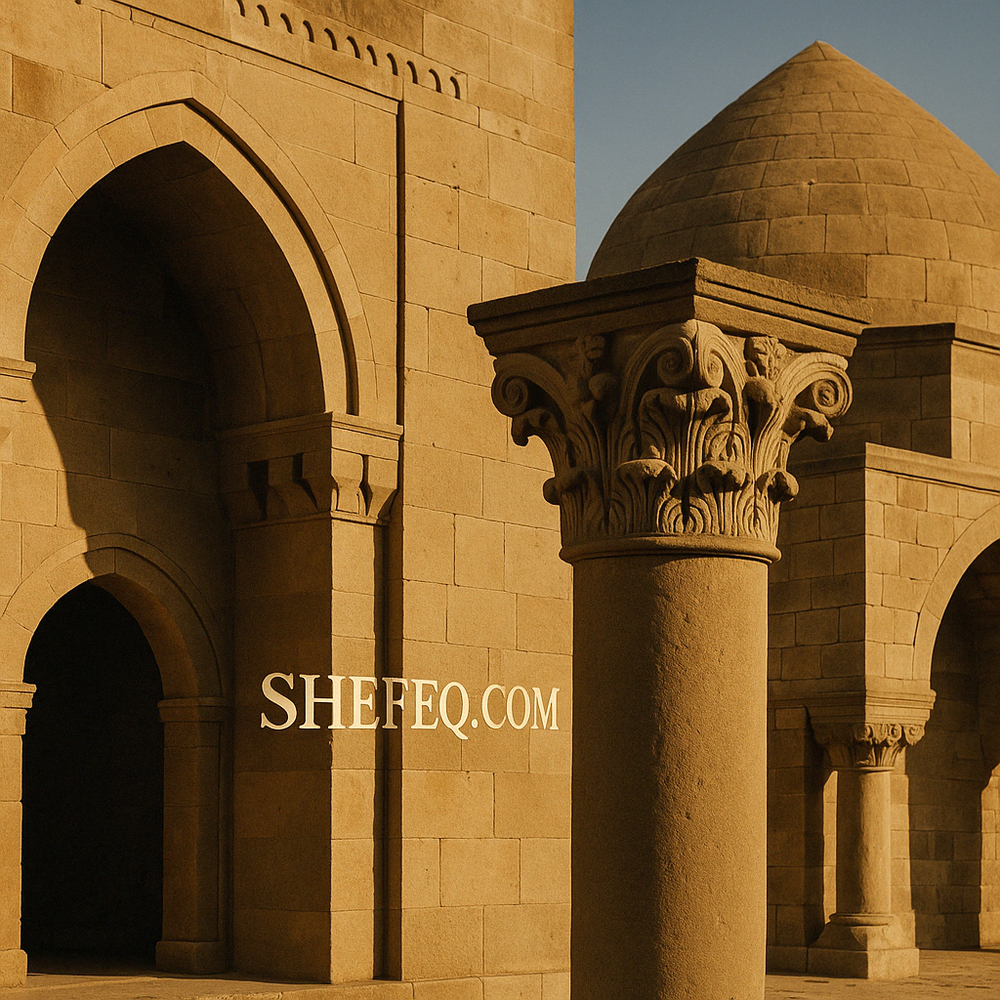
Introduction: The Speaking Stones of Silence
History isn’t written only in books. Sometimes, it lives in stones shrouded in silence, in walls lost to darkness, in statues touched each morning by the sun. Historical monuments are the memory of the land. They don’t speak—but they always listen. And if necessary, they scream with silence, echoing into hearts even centuries later.
We pass by them every day—sometimes ignoring them, sometimes pausing just to take a photo. But they haven’t forgotten us. They look at us and wait: when will we truly look back at them?
1. What Is a Historical Monument – Just a Stone or a Memory?
A historical monument might be a building, a temple, a tombstone, or just a stone. But that stone has passed through a thousand hands, holds the dust of years, the warmth of human palms, and the salt of tears.
These monuments aren’t just about beauty or architecture—they are the pride, memory, and identity of a nation. They aren’t in textbooks; they’re in the cracks of walls, the shadows of columns, and behind the locked doors of mosques.
2. Can We Hear What the Monuments Say?
Every monument speaks. If we know how to listen, they say so much.
A castle wall says: “People gave their lives for this land.” A mosque dome whispers: “This was a place of prayer.” A forgotten tombstone says: “I was here. Now you remain.”
These silent witnesses have learned to speak through time. Their language is touch, gaze, and feeling.
3. Monuments That Speak in Azerbaijan
Azerbaijani soil is full of monuments. Each bears witness to a different era, a different spirit.
Icherisheher The heart of Baku—Icherisheher—is a millennium of history engraved in stone. These streets once held kings, crowns, and feasts.
Gobustan Petroglyphs carved into rock—primitive writings, the earliest human expressions. They show how people lived, hunted, feared, believed.
Sheki Khan Palace Its stained-glass windows, ornate walls, and paintings whisper history in silence. Each room feels like a memory written with eyes.
4. Abandoned and Forgotten Monuments – History Decaying in Silence
Some monuments no longer speak. They’ve long since fallen silent. Time is one reason—but so is our indifference.
Forgotten churches, ruined caravanserais, ancient cemeteries in mountain villages—they aren’t just quiet; they feel abandoned.
They say: "You forgot us, but we are still here."
Sadly, some are beyond restoration. They are no longer history or memory—just ruins.
5. Behind Every Monument Is a Person
Often, we look at a monument and forget who made it. But every monument is the trace of a soul, a craftsman, a life.
The laborer who carried the stones, The artisan who carved the patterns, The sculptor who cast the bronze bust— They live within the monument.
A monument is not just the memory of the past, but the result of effort and human story.
6. Why Should We Protect Monuments? – Memory Forgotten Is Memory Lost
To protect a historical monument is to pass history into the future through stone. Every destroyed monument is a piece of memory erased.
Destroying a monument is like erasing your surname. Covering it with an ad is like burying memory in dust.
Protection begins with love. It’s not just the government’s job—it’s the people’s. A nation’s memory lives in its monuments.
7. Looking at a Monument – Not Just Seeing, but Reading
Standing before a monument isn’t just a photo opportunity. It’s a moment of spiritual contact.
You must read it: – What do the cracks in the wall say? – Where was this material sourced? – What kind of life unfolded in its shadow?
These questions build a time bridge within you.
8. Preserved and Changing Monuments – Balance Between History and Modernization
Sometimes, new construction and urban planning make monuments “invisible.” Glass buildings and skyscrapers seem to suffocate them.
But a monument is a delicate flower. No matter how bright the surroundings, it keeps its simple, unshakable soul.
Countries like Italy, Greece, and France maintain this balance. So must we—monuments and the future can coexist.
9. Children and Monuments – If Memory Isn’t Passed On, It Breaks
True preservation starts with a child. If a child stands before a monument and says: "This is the trace of our ancestors..." —then that monument is already protected.
Inspiring this awareness in students is the spiritual side of education. A wall teaches more than a book—because it speaks for itself.
10. Silent Witnesses Don’t Keep Silent – We Fear to Listen
Sometimes, looking at a monument is like awakening the history inside yourself. A grandmother’s voice, a grandfather’s footsteps, a lost homeland, an unexpected goodbye.
That’s why people glance and move on. Because a monument doesn’t keep quiet—it makes you speak. About yourself, your roots, your responsibility.
And that’s frightening. But real memory should frighten. Otherwise—it’s forgotten.
Conclusion: Monuments Are Not Just the Past, but Signs Toward the Future
A historical monument is not a relic. It is a signpost.
As we look at them, we find a path toward ourselves. Without them—who are we? Where did we come from? What do we protect?
Do you know what they say? "I am here. Stay as well. And remember—even if the stone cracks, memory must not fade."