
Introduction
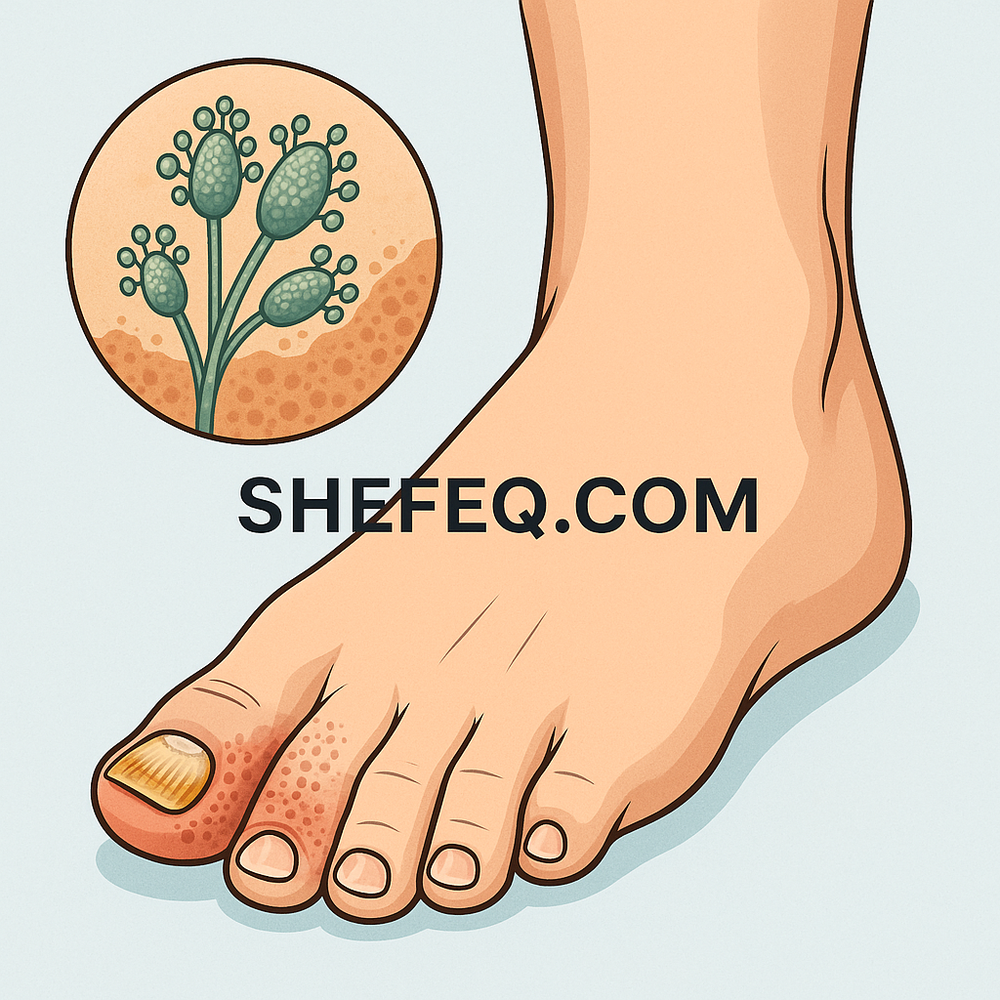
Foot fungus (medically known as tinea pedis or “athlete’s foot”) is one of the most widespread skin infections globally. It commonly occurs on the soles, between the toes, and on the nails. At first glance, this fungal infection may seem like a simple skin issue, but if not treated in time, it can lead to serious complications and significantly impair quality of life.
This article will thoroughly analyze the causes, symptoms, transmission routes, treatment methods, preventive measures, and both psychological and physical effects of foot fungus.
I. What Is Foot Fungus?
Foot fungus is caused by microscopic fungi called dermatophytes, which settle into the skin. These fungi thrive in warm, moist, and enclosed environments—such as closed shoes, damp socks worn for long periods, public showers, and areas around swimming pools.
Most common types:
-
Trichophyton rubrum
-
Trichophyton mentagrophytes
-
Epidermophyton floccosum
II. Transmission Routes
-
Direct contact: Contact with the infected person's skin
-
Indirect contact: Public showers, spas, swimming pools, saunas, baths, mosques, or gyms
-
Sharing shoes and socks: Especially among family members
-
Nail salons: Use of unsterilized tools
III. Risk Groups
-
Athletes
-
Children and adolescents (especially those wearing closed shoes)
-
Elderly (due to poor circulation)
-
Diabetic patients
-
Individuals with weakened immune systems
-
People on long-term antibiotics or steroids
IV. Symptoms
-
Itching and burning (especially between the toes)
-
Peeling, redness, and cracking of the skin
-
Painful sores
-
Unpleasant odor
-
Nail discoloration, thickening, and detachment
Types of fungus:
-
Interdigital type – Cracks and itching between toes
-
Moccasin type – Thickening of the soles and heels
-
Vesicular type – Swelling and fluid-filled blisters
V. Diagnosis
Diagnosis is performed by a dermatologist through:
-
Skin scraping samples
-
KOH (potassium hydroxide) test under a microscope
-
Fungal culture testing
-
Skin biopsy (if needed)
VI. Treatment Methods
1. Topical medications:
-
Creams, ointments, and sprays: clotrimazole, terbinafine, miconazole
-
Powders to keep the feet dry
2. Systemic medications (for severe cases):
-
Fluconazole, itraconazole, terbinafine (oral tablets)
-
Should only be used under medical supervision
3. For nail fungus:
-
Antifungal lacquer (ciclopirox)
-
Laser therapy (as a newer method)
VII. Natural Remedies
-
Tea tree oil (has antifungal properties)
-
Apple cider vinegar foot soaks
-
Garlic paste (a natural antibiotic against fungus)
-
Baking soda and salt foot soaks
Note: While natural remedies can help in mild cases or as prevention, professional medical advice is essential for advanced cases.
VIII. Effects of the Fungus
Physical effects:
-
Spread of infection
-
Nail deformities
-
Odor and aesthetic discomfort
Psychological effects:
-
Embarrassment in public settings
-
Feelings of shame
-
Social withdrawal
-
Tendency toward depression
IX. Prevention
-
Wash and thoroughly dry feet daily
-
Wear breathable socks and shoes
-
Avoid wearing the same shoes every day (allow airing)
-
Use personal slippers in public places
-
Do not share towels or nail clippers
-
Dry damp feet immediately
-
Avoid synthetic materials
X. In Children and the Elderly
In children, fungal infections can spread quickly. Nutrition, hygiene, and proper footwear are key. In the elderly, due to poor circulation and thinner skin, healing tends to be slower.
XI. Differentiation from Other Skin Conditions
-
May be mistaken for psoriasis (requires a doctor’s diagnosis)
-
Can occur alongside bacterial infections
-
Should be distinguished from eczema
XII. Conclusion
If not taken seriously, foot fungus can lead to both physical and psychological harm. By following basic hygiene rules, it is possible to prevent this issue. Early diagnosis and proper treatment will ensure comfort and cleanliness of the body.
What Do You Think?
-
Have you or someone close to you experienced this problem?
-
Which treatment worked best for you?
-
Have you used natural remedies?
-
Do you think society is well-informed about foot fungus?
Share your thoughts in the comments. Sharing knowledge is the first step toward better health.