
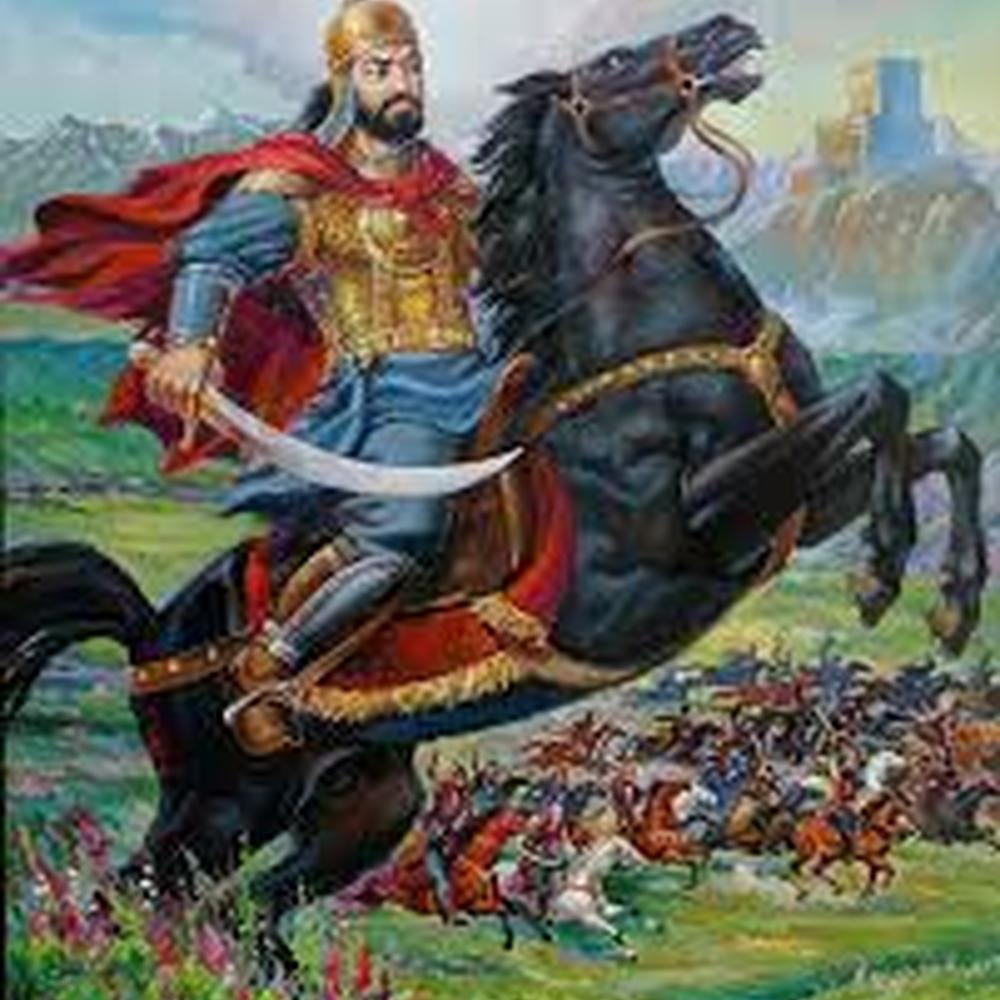
Considered one of the masterpieces of Azerbaijani cinematography, the film Babak stands out as a powerful screen depiction of the nation’s struggle for freedom, its heroic spirit, and national pride. Released in 1979, this historical epic portrays the life of the great commander and national hero Babak Khorramdin and his resistance against the Arab Caliphate. Despite the Soviet censorship of the time, the film had a significant impact on the awakening of national consciousness.
Plot and Central Theme
The events of the film take place in the 9th century, during the Arab Caliphate's rule over Azerbaijan. The people suffer under the weight of oppression — heavy taxes, the loss of freedoms, and the forced change of religious beliefs. Amidst this turmoil, a hero named Babak rises and leads the people in rebellion. As the leader of the Khurramite movement, Babak fights for decades alongside his brave warriors against the armies of the Caliphate in the name of freedom.
The film not only tells the story of historical events and Babak’s eventual defeat, but also reflects the deep-rooted pride and honor of the Azerbaijani people. One of the most powerful scenes is Babak's execution. The Arab commander expects him to kneel in submission, yet Babak remains upright and dignified until the end — a true symbol of heroism.
Acting and Characters
The lead role is performed by Rasim Balayev, who delivers a phenomenal portrayal of Babak. His performance radiates strength, determination, and emotional depth. Balayev does not merely portray a military leader — he embodies Babak as a symbol of his people's longing for freedom.
Supporting performances are also remarkable. Hasan Mammadov (as Afshin), Hasangha Turabov (as the Caliph's general), and Mammadreza Sheikhzamanov (as Zuhak), among others, offer strong and believable interpretations that enhance the film's emotional and dramatic impact.
Direction and Technical Aspects
Director Eldar Guliyev devoted great effort to crafting this historical epic. The battle scenes, fortress sieges, and mass confrontations are staged with impressive realism and impact, especially considering the era in which the film was produced.
Cinematographer Leonid Karimov delivers stunning visuals — the mountainous landscapes, ancient castles, and intense action scenes are filmed with masterful precision. The sweeping panoramas and dynamic camera work immerse the audience in the world of the film.
The music, composed by one of Azerbaijan’s most renowned musicians, Polad Bulbuloglu, amplifies the emotional intensity of the story. Particularly during combat sequences and Babak’s moments of emotional depth, the score creates a powerful and stirring atmosphere.
Historical and Ideological Importance
Although produced during the Soviet era, Babak was perceived as a film that reminded audiences of Azerbaijan’s fight for independence. Babak is portrayed not just as a historical figure, but as a symbol of sacrifice for the cause of freedom.
For decades, this film stirred patriotic emotions in Azerbaijani viewers and taught younger generations about the importance of resistance. Even during the period of Azerbaijan's independence, Babak retained its significance and gained even greater symbolic power.
The historical facts depicted are also noteworthy: the Khurramite movement led by Babak lasted more than 20 years and overcame countless forces sent by the Caliphate. Ultimately, Babak was captured due to betrayal and brutally executed.
Conclusion and Overall Evaluation
Babak is one of the brightest gems of Azerbaijani cinema. It is more than a historical film — it is an embodiment of the Azerbaijani spirit, perseverance, and courage. With strong performances, expert direction, impactful music, and compelling battle scenes, the film continues to captivate audiences to this day.
Its central message is clear: the struggle for freedom and independence must never cease. Babak gave his life for this cause, but his spirit lives on in the hearts of all who love liberty.
In this regard, Babak is not merely a cinematic work, but a manifesto of national identity and a tribute to cultural heritage. It remains a rare and powerful film that inspires national pride and consciousness in every viewer.