
Introduction
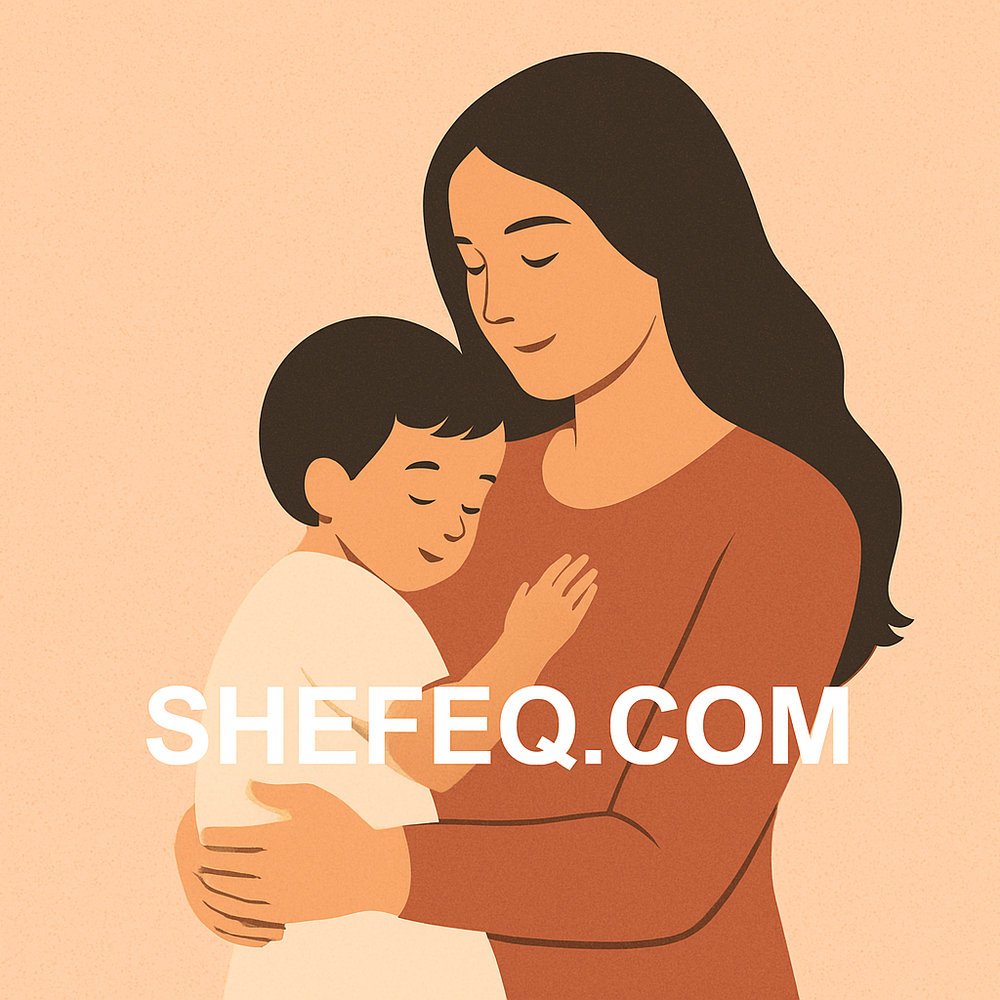
A woman is both the beginning of life and its support point. To be a mother is not just to give birth to a child, but to lay the foundation of a new world. Yet, a woman is not only a mother. She is a wife, sister, friend, teacher, leader, healer, guide — and at times, the silent strength that bears it all. What makes a woman so powerful? Is it her motherhood, her role as a pillar, or a spiritual strength born at the intersection of both?
I. Social Perspective: What Does it Mean to Be a Mother and a Pillar?
To be a mother is to sacrifice, to show mercy, to turn night into day, to feel every breath of a child as your own. But to be a pillar means to support not only a child but an entire family — sometimes even a society. A woman is her husband's shoulder, her child's shelter, her aging parents' shadow. Where everyone else cries, she remains silent. When others fall, she stands firm. Society may often reduce a woman to the role of a mother, but her support is a form of unseen leadership.
II. Academic View: Women's Psychology and the Nature of Strength
Psychological studies show that women have a high capacity for emotional flexibility and multitasking. This allows them to simultaneously be mothers, leaders, listeners, and organizers. Research also indicates that the connection between the left and right hemispheres of the female brain is more active — enhancing their ability to use both emotion and logic. The roles of motherhood and support form two complementary centers of power within a woman.
III. Societal Observations: What Does Society See in a Woman?
Traditional societies often view women solely as mothers — cooking, raising children, maintaining the home. Yet, a woman also stands on her own feet, offering both financial and emotional support to her family. In modern times, this perception is expanding. Working, teaching, writing, and learning women hold strong influence in both family and society. In addition to motherhood, the ability to stand tall, make decisions, and bear responsibility reflects a woman’s inner strength.
IV. Real-Life Examples and Research-Based Perspective
History and current realities offer thousands of examples of women who were both mothers and societal pillars. Khadijah, Fatimah, Frida Kahlo, Marie Curie, Leyla Khanum Mammadbeyova — all symbolize both compassion and strength. They were mothers and also the backbone of their societies. According to recent UN reports, families led by women tend to show greater emotional and financial stability. This shows that female leadership brings value not only in business but also within families and communities.
Conclusion
A woman is a mother — but not only that. She is a pillar. Her strength surpasses biological motherhood — it stems from the unity of compassion and resilience within her. Standing between being a mother and a pillar, a woman is truly the silent leader of society. Even when she doesn’t speak — she leads. Even when she sheds tears — she stays strong. Even in silence — everyone leans on her.
Perhaps the truest answer to the question “Who is a woman?” is this:
“A woman is the force that gathers everyone together where others have the right to fall apart.”