
Introduction
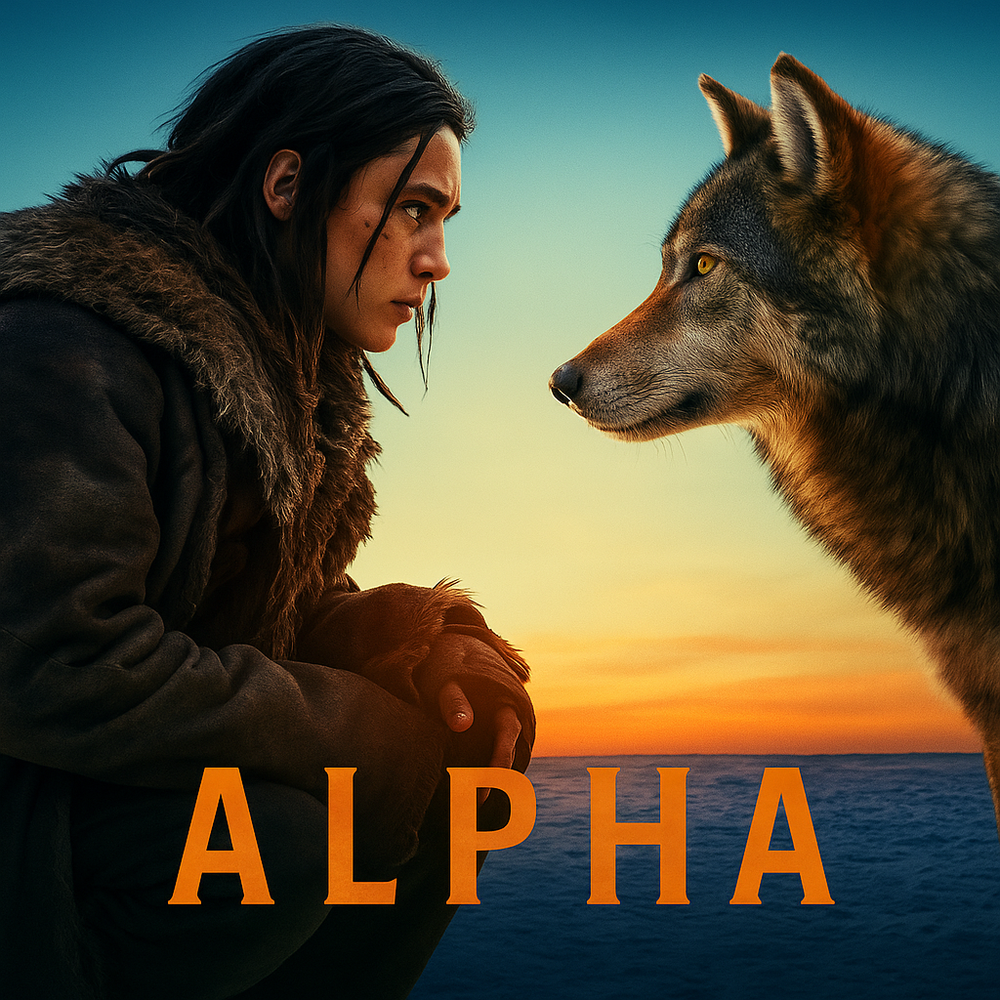
“Alpha” is an epic and emotionally rich film directed by Albert Hughes, released in 2018. It portrays events that take place during the Paleolithic era—around 20,000 years ago. The film symbolically depicts both man's struggle with nature and the emergence of the first bond between man and animal—specifically, the relationship between humans and dogs. This article is crafted in such a way that even someone who hasn't seen the film can feel the events, characters, and emotional turning points as if they are watching it unfold.
Historical Context and Beginning
The story unfolds during the Ice Age—in the Paleolithic era—within a hunter tribe living in Europe. Despite the harsh climate and tough survival conditions, the tribe lives in unity, battling wild nature and surviving through hunting. The tribe is led by Tau, a strong and wise leader. His son, Keda, is a sensitive and emotional young man who has not yet fully discovered his inner strength.
Tau decides to take his son on a major hunting expedition for the first time. This is not just a hunt—it is a rite of passage. If Keda passes this test, he will be considered a man. Together with the chosen warriors of the tribe, they set out on a long and dangerous journey, tracking a herd of mammoths.
Disaster During the Mammoth Hunt
During the journey, the tribe devises a strategic plan to drive the mammoths toward a cliff. Keda hesitates in this scene—he is reluctant to take a life. However, the rules of the tribe are unforgiving. As the plan is carried out, one of the mammoths throws Keda over the edge of a cliff. The tribe believes he is lost. Tau, heartbroken, performs a symbolic funeral for his son and returns home with the others.
But Keda is not dead. He spends several days unconscious at the bottom of the ravine. Slowly, he awakens and realizes he has survived. Standing up in his injured state becomes a pivotal moment for him both physically and psychologically. Thus begins the main part of the film—man's struggle to survive and evolve.
Loneliness and Survival
Now Keda is alone—in a wilderness where winter is approaching, wild animals roam, and there is little food. His first goal is to survive; the second is to return home to his tribe. He cleans his wounds, starts a fire, finds water. Amid the silence of nature, he fights for survival every day.
One night, a pack of wild wolves attacks him. Keda wounds one of them but chooses not to kill it. Instead, he tends to its injury, feeds it, and names it Alpha. This decision becomes one of the most important turning points in the film. A bond, initially built on fear and cautious trust, begins to form between them.
Friendship Born with Alpha
At first, Alpha keeps his distance and doesn’t trust Keda. But over time, the two creatures—one human, one wolf—grow accustomed to one another. Keda catches fish for Alpha and protects him from harm, while Alpha defends Keda from other wild animals. They hunt together, sleep side by side, and struggle together against the cold.
This part of the film portrays the beginning of the first human-dog friendship. Their silent communication, their looks, their actions—are all presented with such emotional depth that the viewer truly feels and lives their friendship.
The Coming of Winter and a Defining Moment
As the journey continues, the weather becomes harsher. Snowstorms, hunger, glaciers… Alpha is seriously injured. Keda does not leave him behind. He carries Alpha, tends to his wounds, and at times even gives him his own food. This sacrifice and compassion mark the height of the human spirit.
Eventually, Keda falls off a cliff and severely injures his leg. He moves forward with great difficulty—but he does not give up. Together with Alpha, they continue forward. When they return, the tribe can’t believe Keda is alive. But he is no longer the boy they knew. He has changed—he has grown up, matured, and become spiritually stronger.
Alpha also survives—and is no longer just a wild animal, but a domesticated companion. She gives birth. Her puppies become the first genetic link between humans and dogs. This moment symbolically marks the beginning of friendship between humans and canines.
Symbolism and Analysis
-
Alpha: The first wild animal to become a pet. Nature’s approach to humanity.
-
Keda: A human who shows a different survival model through compassion and determination.
-
The Tribe: Represents the traditional understanding of strength, while Keda symbolizes a new era—where strength means having empathy.
This film feels like the story of a first: the birth of trust, friendship, and compassion.
Conclusion
“Alpha” is not just a survival story. It is a celebration of the human spirit, empathy, and harmony with nature. Visually breathtaking and emotionally moving, the film symbolically explains the origin of the first domestic animal and takes the viewer back to the roots of what it means to be human.
This is a story of brotherhood, trust, and family. It reminds us that to survive, sometimes we don’t just need strength—we need a companion to lean on.
A Question for the Reader:
Do you think the bond formed between Alpha and Keda could symbolize the first emotional connection in human history?
Your opinion matters to us—don’t forget to leave a comment below.
Thank you for reading.
If you'd like, I can continue this series with other films.