
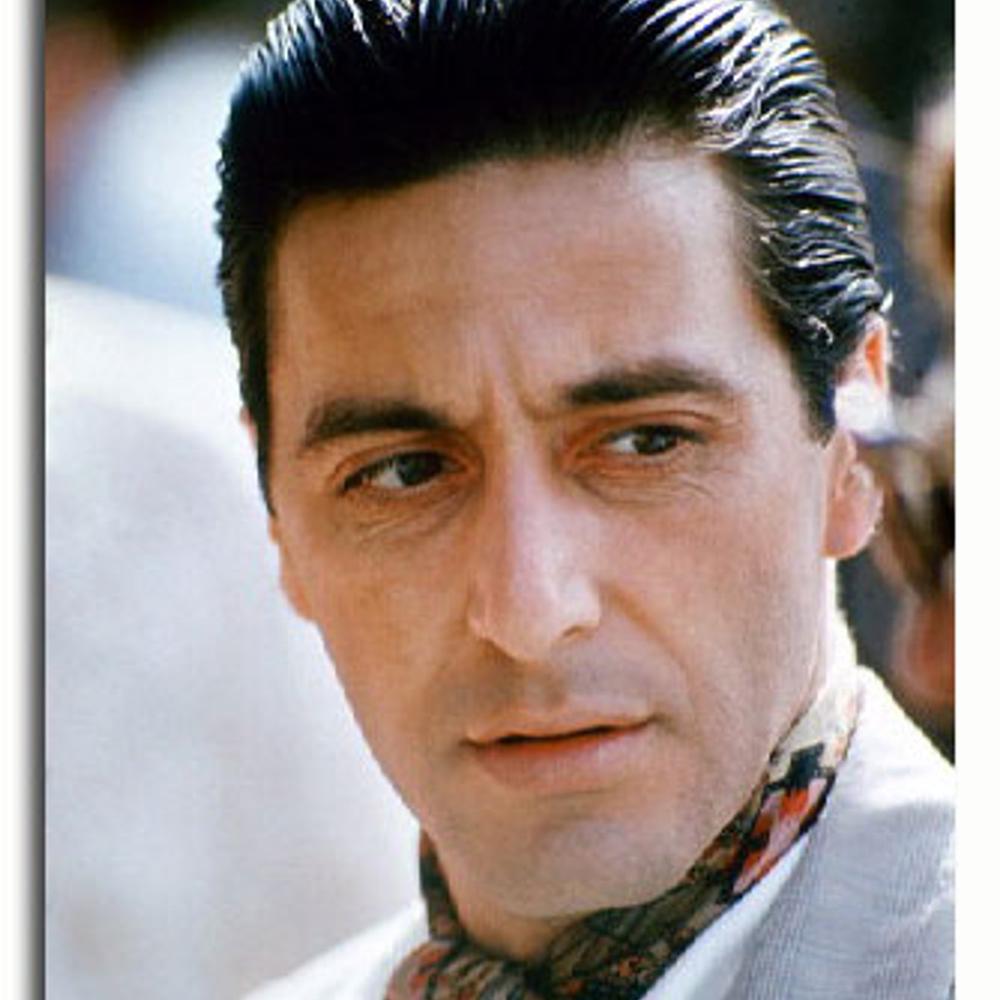
Introduction Alfredo James Pacino, better known to the world as Al Pacino, is one of the most influential and talented actors in Hollywood. With a career full of remarkable achievements, unforgettable roles, and a distinctive acting style, he has become a legendary figure in the film industry. Especially renowned for his dramatic roles, his performances have always left a lasting impression on audiences. This article will explore his life, acting career, most famous films, and impact on the world of art.
Part I: Childhood and Youth of Al Pacino Al Pacino was born on April 25, 1940, in the Brooklyn district of New York City. His parents, Salvatore and Rose Pacino, were of Italian descent. After his parents' separation, he moved to the Bronx with his mother. Despite financial hardships, Al Pacino showed a great interest in theater and cinema from an early age.
Although he did not excel academically, his passion for acting led him to the prestigious "The Actors Studio" in the United States, where he studied Stanislavski-based method acting. There, he trained under the guidance of the famous actor and teacher Lee Strasberg.
Part II: Early Steps in Acting Career Al Pacino began his career on the theater stage. In the late 1960s, he played in various small productions, but his first major success came in 1969 with the play "Does a Tiger Wear a Necktie?", for which he won a Tony Award.
His first significant role in film was in "Panic in Needle Park" (1971), where he portrayed a heroin addict. This role caught the attention of producers.
Part III: "The Godfather" and Global Fame The turning point in Al Pacino’s career came in 1972 when he was cast by director Francis Ford Coppola as Michael Corleone in "The Godfather." This role cemented his place in cinematic history. The film won an Academy Award, and Pacino was nominated for Best Supporting Actor.
He continued the role of Michael Corleone in "The Godfather Part II" (1974) and "The Godfather Part III" (1990), creating one of the most complex and captivating characters in film history.
Part IV: Other Legendary Films Al Pacino starred in many iconic films:
-
"Serpico" (1973) – Based on a true story, this role as an honest cop earned him an Oscar nomination.
-
"Dog Day Afternoon" (1975) – A dramatic portrayal of a failed bank robbery.
-
"Scarface" (1983) – His role as gangster Tony Montana remains one of the most iconic in cinema.
Part V: Success in the 1990s The 1990s brought further success for Al Pacino with notable films:
-
"Scent of a Woman" (1992) – His portrayal of a blind officer earned him a long-awaited Academy Award.
-
"Heat" (1995) – A legendary collaboration with Robert De Niro.
-
"The Devil’s Advocate" (1997) – A compelling performance alongside Keanu Reeves.
Part VI: Later Years and Impact on Cinema Even in the 2000s and beyond, Al Pacino remained active in the film industry, including a major role in "The Irishman" (2019).
His influence extends beyond acting, inspiring generations of performers with his dedication to the craft and unique style.
Part VII: Personal Life of Al Pacino Although he has never married, Al Pacino has had several relationships and children. He prefers to keep his private life out of the spotlight, yet his charisma and talent have always drawn public attention.
Conclusion Al Pacino is one of the most iconic figures in film history. Over more than 50 years, he has delivered unforgettable performances across genres, from drama and thrillers to gangster films. His characters are not just roles but lessons and experiences. Al Pacino will always be remembered as one of the greatest actors in cinema.