
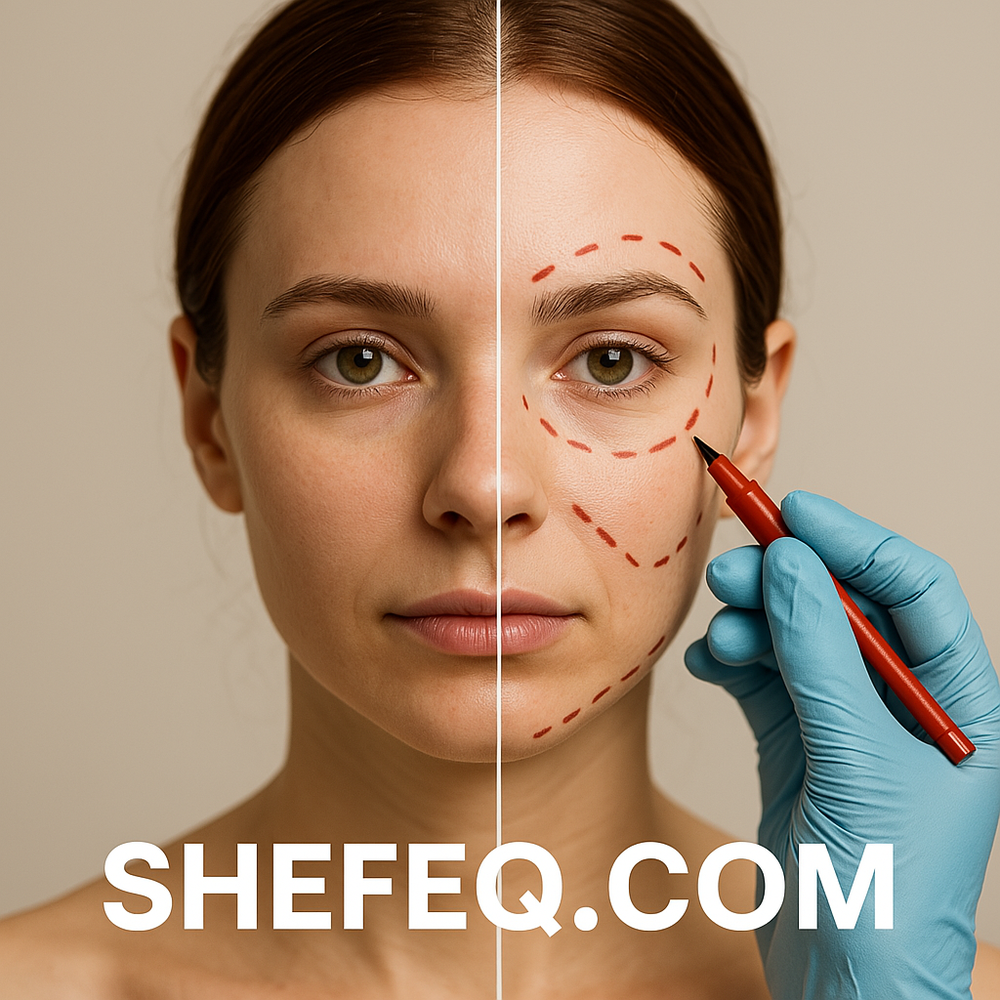
INTRODUCTION In recent decades, aesthetic surgeries have become increasingly widespread both globally and in our country. Changing beauty standards, the influence of social media, technological advancements, and society's focus on visual appearance have all fueled interest in cosmetic interventions. However, these surgeries impact not only external appearance but also health, psychology, and social acceptance.
This article will thoroughly analyze the medical and psychological aspects of aesthetic surgeries, their benefits, potential risks, and the psychological motivations behind such decisions.
1. WHAT IS AESTHETIC SURGERY? Aesthetic or cosmetic surgeries are surgical and non-surgical interventions carried out to alter the appearance of the body and face to achieve ideal shapes and proportions. These procedures are typically not medically necessary but are based on personal aesthetic preferences.
The most common aesthetic surgeries:
-
Rhinoplasty (nose surgery)
-
Blepharoplasty (eyelid surgery)
-
Liposuction (fat removal)
-
Abdominoplasty (tummy tuck)
-
Mammoplasty (breast augmentation/reduction)
-
Facelift
-
Dermal fillers and Botox injections
-
Lip enhancement
-
Chin and cheek contouring
2. POSITIVE EFFECTS OF AESTHETIC SURGERY
2.1. Increased self-confidence After successful procedures, the majority of individuals experience improved self-esteem and enhanced social relationships. Feeling attractive can lead to greater openness and activity in both personal and professional life.
2.2. Social acceptance and adaptation Some individuals seek cosmetic interventions to align with socially accepted beauty standards and reduce social pressures.
2.3. Career advancement In fields such as fashion, media, advertising, and public relations, visual appearance is often considered an advantage.
3. RISKS AND PHYSICAL COMPLICATIONS
3.1. Surgical risks
-
Anesthesia complications (unexpected reactions, shortness of breath)
-
Infection and pus formation
-
Bleeding and hematomas
-
Damage to nerves and loss of sensation
-
Suture dehiscence and scarring
-
Asymmetry and unsatisfactory results
3.2. Post-surgery psychological shock Some individuals struggle to adapt to their changed appearance. Disorders like body dysmorphia can intensify at this stage.
3.3. Financial risks Aesthetic surgeries are usually expensive and often not covered by insurance. If results are unsatisfactory, additional procedures may be needed, increasing costs.
4. THE PSYCHOLOGICAL SIDE OF AESTHETIC SURGERY
4.1. Motivation: Why do people feel the need for aesthetic surgery? Various reasons may include:
-
Dissatisfaction with one's appearance
-
Influence of social media and idealized body models
-
Pressure from a partner or family
-
After a traumatic event (e.g., divorce)
-
Psychological disorders (body dysmorphic disorder)
4.2. Body dysmorphic disorder (BDD) BDD involves an excessive focus on perceived or minor flaws in appearance. Those with BDD often undergo multiple procedures but remain dissatisfied. This condition requires psychiatric care, not surgical solutions.
4.3. Social comparison and self-acceptance Platforms like Instagram and TikTok encourage comparison with filtered and idealized images, weakening self-acceptance and increasing demand for aesthetic procedures.
5. THE ROLE OF SOCIETY AND MEDIA
5.1. Formation of beauty standards in media Movies, TV, and social media promote the concept of the "ideal look," pushing features like big eyes, narrow noses, full lips, and slim waists as norms.
5.2. Psychological influences from childhood Insults, abuse, and complexes experienced in childhood can lead to negative self-image and a desire for change in adulthood.
6. RESEARCH FINDINGS: DOES EVERYTHING CHANGE AFTER SURGERY?
6.1. Positive changes
-
Nearly 60% report increased self-confidence
-
About 40% become more socially active
-
Temporary improvement in psychological well-being
6.2. Negative outcomes
-
More than 20% do not achieve the expected results
-
Around 10% continue to experience depression and dissatisfaction
-
Increased number of repeat surgeries (developing aesthetic dependency)
7. LEGISLATION AND ETHICAL ISSUES
7.1. Age restrictions In many countries, aesthetic procedures are limited to individuals over 18. Surgeries on minors raise serious psychological and legal concerns.
7.2. The ethical responsibility of the surgeon The surgeon is not just a technician but must also provide accurate information about realistic outcomes. Sometimes, saying "no" to a patient is also an ethical duty.
8. RECOMMENDATIONS AND SUGGESTIONS
8.1. Before deciding on surgery:
-
Consult a psychologist or psychotherapist
-
Research realistic results
-
Make the decision based on your own desire, not others’ opinions
-
Carefully choose a qualified surgeon
-
Consider alternatives (makeup, fitness, diet, psychotherapy)
8.2. The role of society
-
Promote diverse forms of beauty in media (age, body size, ethnic features)
-
Teach young people to love their bodies
-
Expand access to psychological support
CONCLUSION Aesthetic surgeries can be beneficial when guided by the right motivations, and conducted professionally and ethically. However, they also carry significant medical and psychological risks. Everyone should evaluate their inner motivations, expected outcomes, and potential consequences carefully before making a decision.
True beauty is not only about external appearance — it stems from inner peace, self-acceptance, and love. Aesthetic surgery is a tool, not the goal. The most important thing is learning to love yourself as you are.