
Introduction – The Silent Calling of the Soul
Cinema is not only about images – it is the prayer whispered by the human soul to the camera. Sometimes, a scene has no dialogue, yet it delivers an emotion as intimate as a breath, as deep as a gaze. These scenes, unfolding in silence rather than words, resemble a prayer. Invisible, yet present. Quiet, yet felt. The film may move on screen, but the prayer stays frozen – suspended in an eternal moment.
I. What Is a Prayer? When Does Cinema Become One?
A prayer is when the heart is left alone with God. But when does cinema become a prayer?
Cinema becomes a prayer when it doesn’t show what happens, but lets us feel the emptiness of what doesn't. Like a true prayer – it's about the invisible, silent and profound.
Andrei Tarkovsky once said:
"Cinema is like a prayer carved out of time."
In his films, long silent shots — a candle burning in a room, water slowly flowing in the background — all these are metaphysical scenes that touch without touching, like a prayer.
II. Emotion Born of Silence – The Sound of a Tear
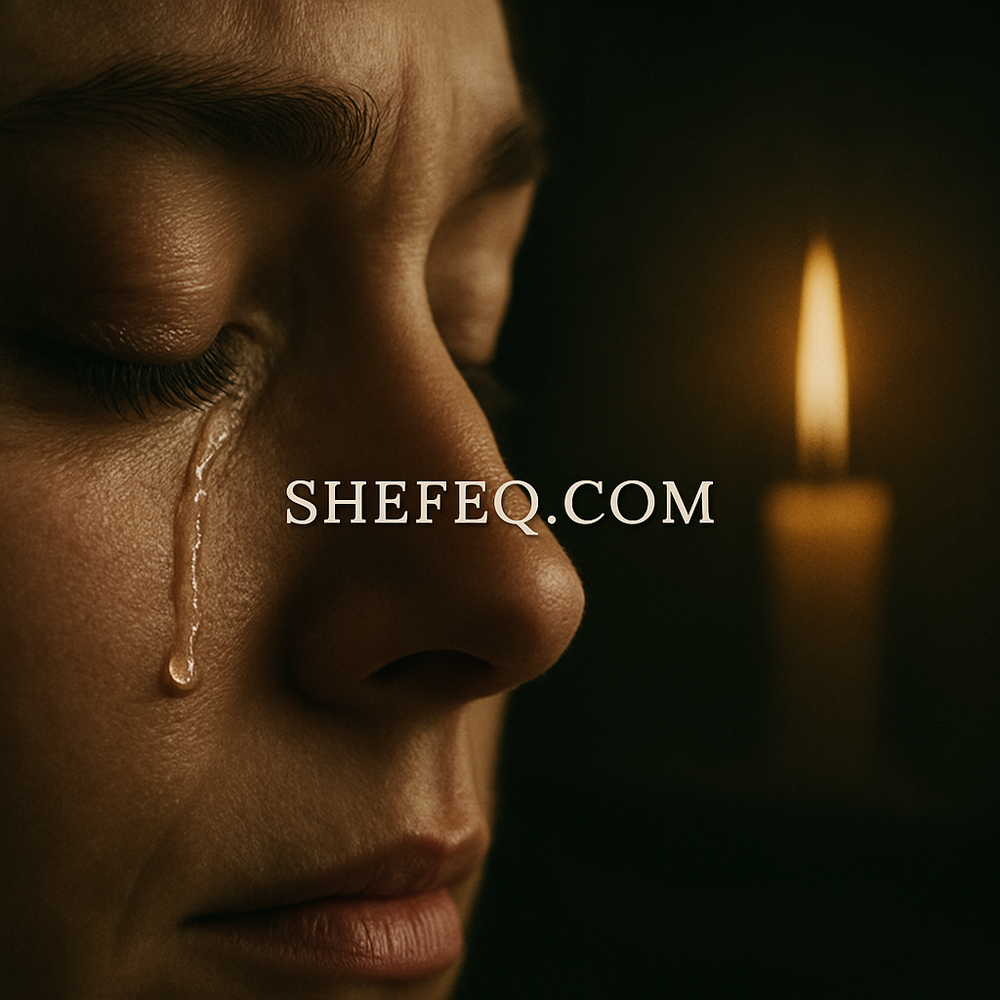
Sometimes in a film, there is no music, no dialogue. Just a tear slipping down a cheek... and that, too, is a prayer. The viewer watches and hears a sound inside — their own. That tear belongs to them.
If there is silence in a film and you find yourself drowning in that silence — it's no longer a scene. It is a prayer meant for you.
III. A Frozen Prayer on Screen – Silence Resisting a Fast-Moving World
Modern films are dynamic, full of effects and speed. But amidst that velocity, sometimes a scene stands still. As if the director says:
"Stop here. Feel it. Pray."
For instance, in The Tree of Life, Terrence Malick lifts the camera upward. Light pours through, a divine hum fills the background. Nothing in particular happens. Yet the scene is as pure and weighty as a prayer.
IV. Can the Camera See God? – The Spiritual Gaze of Cinema
There are things the camera cannot see. But some directors find powerful ways to make us feel what is unseen.
In The Passion of Joan of Arc (Carl Dreyer, 1928), when Joan looks into the camera, there are no effects, no music, no dialogue. Yet, there is a prayer in her eyes. Those tears aren’t just acting — they are a plea directed to God.
V. The Tear Caught on Film – A Visual Translation of the Soul
Sometimes a tear expresses a character’s emotion. But sometimes it’s a translation of the director’s own inner prayer. The camera captures the silent confession within the filmmaker. And every viewer turns that shot into their own tear.
A film is not just a story — it is sometimes the broken voice of a person, or perhaps a prayer that was never answered.
VI. Where the Story Breaks, the Prayer Begins
A film ends... but some questions remain unanswered. That is the director’s way of leaving you not with clarity, but with emotion. Instead of an answer, you receive a prayer.
Kiarostami’s films are a good example. In Taste of Cherry, the final scene fades into darkness. The film ends, yet something inside you remains incomplete. And you ask yourself, “What happened next?”
There’s no answer. But the prayer begins within.
VII. The Film Ends in the Theater, but the Prayers Continue in the Audience
You leave the theater, the movie long finished. But inside you, a scene is still speaking. It said nothing, yet you heard yourself in it.
This — is the prayer captured on film.
“The film ended. But I can’t forget that gaze.”
“That silence embraced me.”
“Something was said in that moment. But no words were spoken...”
These reactions reveal the power of a visual prayer.
VIII. Can a Prayer Be Filmed? – An Invisible Bridge Between Camera and God
This may be a question that philosophers have asked for centuries. But the art of cinema replies:
“I cannot film it. But I can make you feel it.”
A true director is one who can pray with a camera. Who finds a way to speak with God through images. The script becomes a prayer, the editing becomes a zikr, and the music turns into a silent affirmation.
Conclusion – The Deepest Scene in Cinema: A Wordless Prayer
Of all the films you’ve seen, the most powerful scenes are likely not those with words or action — but those where a character simply looks, simply remains silent. Because in that moment, you are not watching the film. You are looking inside yourself.
And that gaze — is a prayer.
A frozen prayer on screen – it lies in an actor’s eyes, in the silence of a scene, in a director’s unintentional glance.